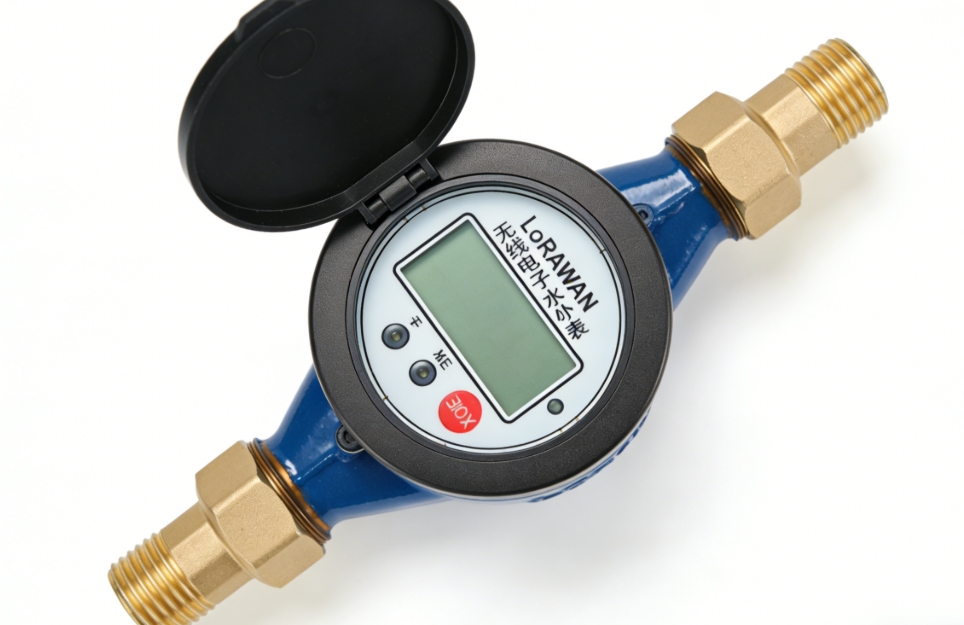
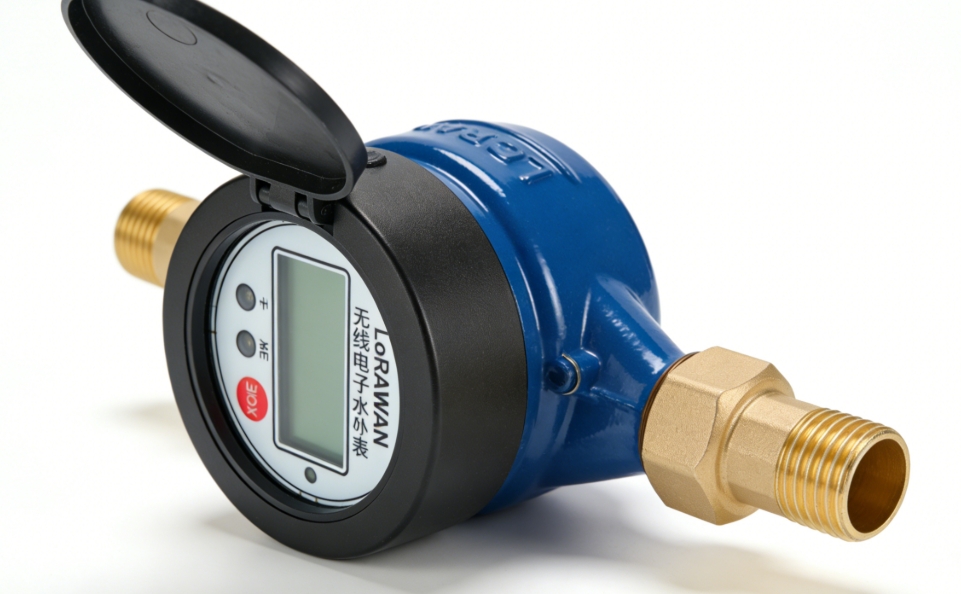


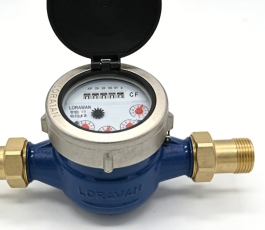
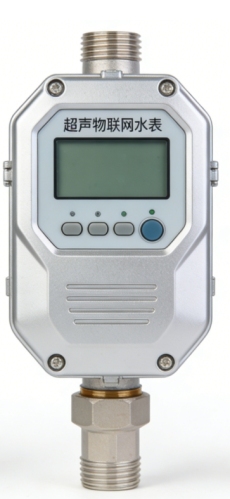
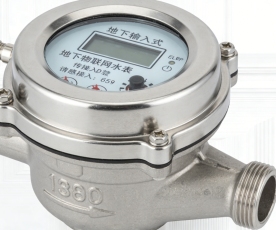
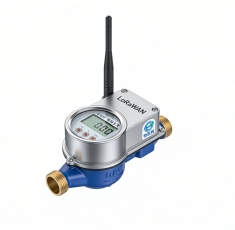

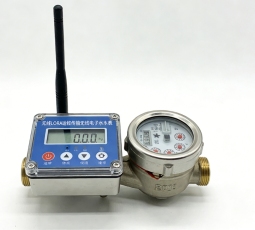
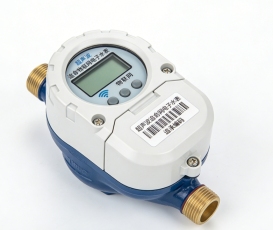
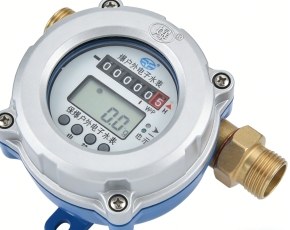
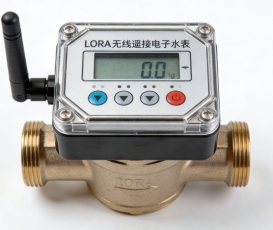
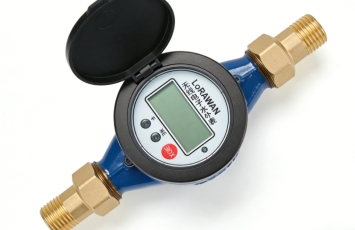
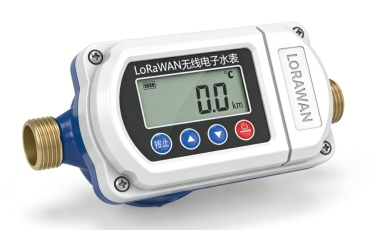
The core advantages of this LoRaWAN wireless water meter lie in its convenient installation and long-distance wireless transmission function, which does not require laying communication cables, greatly reducing the construction cost and cycle. It adopts LoRaWAN international standard protocol, which can be compatible with most mainstream IoT water management platforms. The low-power design ensures that the battery can last for up to 5 years under normal use, avoiding frequent battery replacement work. The IP68 waterproof rating allows it to be installed in open-air pipe trenches and underground pipeline environments without additional protective measures. It has a data encryption transmission function to ensure the security of remote transmission data, and supports automatic reporting of abnormal water consumption such as water leakage, helping managers find problems in time.
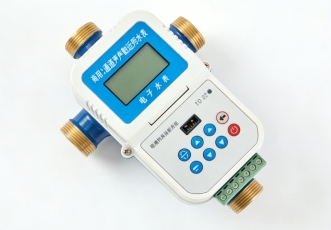
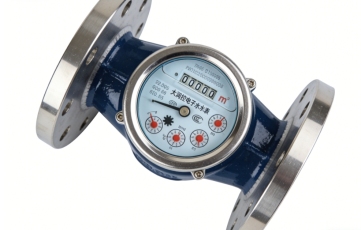
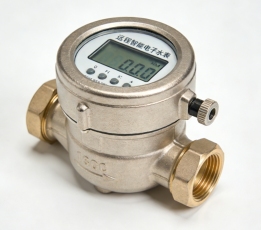
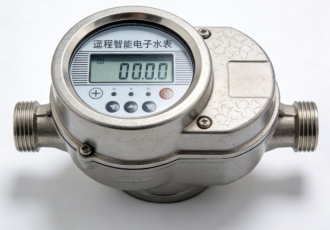
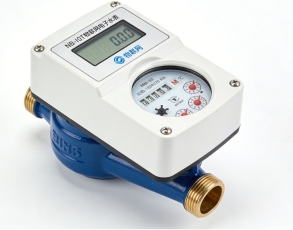
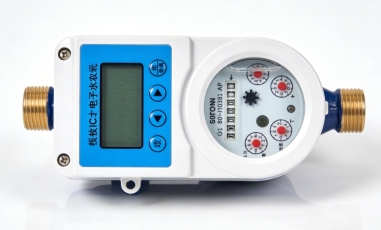
This DN20 LoRaWAN wireless electronic water meter adopts a standard threaded interface, which is compatible with most medium-sized plumbing pipelines. Its flow measurement range is Q1=0.02m³/h to Q3=25m³/h, meeting the metering needs of most household and small commercial water consumption. It is powered by a 3.6V lithium battery, which can provide long-term power support for the equipment, with a battery life of up to 5 years under normal use. The LoRaWAN communication frequency band supports 868MHz (EU) and 915MHz (US), which can adapt to different regional network requirements. The LCD display clearly shows real-time water consumption and equipment working status. The shell is made of high-quality brass and stainless steel, with good corrosion resistance and mechanical strength. The overall dimensions are 200mm in height, 85mm in width and 65mm in thickness, with a total weight of 1.5kg, and it supports fixed installation through mounting brackets.
This LoRaWAN wireless electronic water meter is mainly applicable to rural water supply projects, remote residential areas, smart parks and other scenarios where it is difficult to lay communication cables. Rural water supply departments can use it to realize remote meter reading of rural water meters, without arranging staff to go door-to-door for reading, greatly reducing the management cost of rural water supply. Smart park managers can use it to realize real-time monitoring of water consumption of each tenant, and realize refined water management. It can also be used in temporary construction site water metering, avoiding the trouble of laying communication cables for temporary facilities. It is suitable for installation in open-air pipe trenches, underground pipelines and other outdoor environments.







 Post RFQ


 Chat
Chat


 ALL CATEGORIES