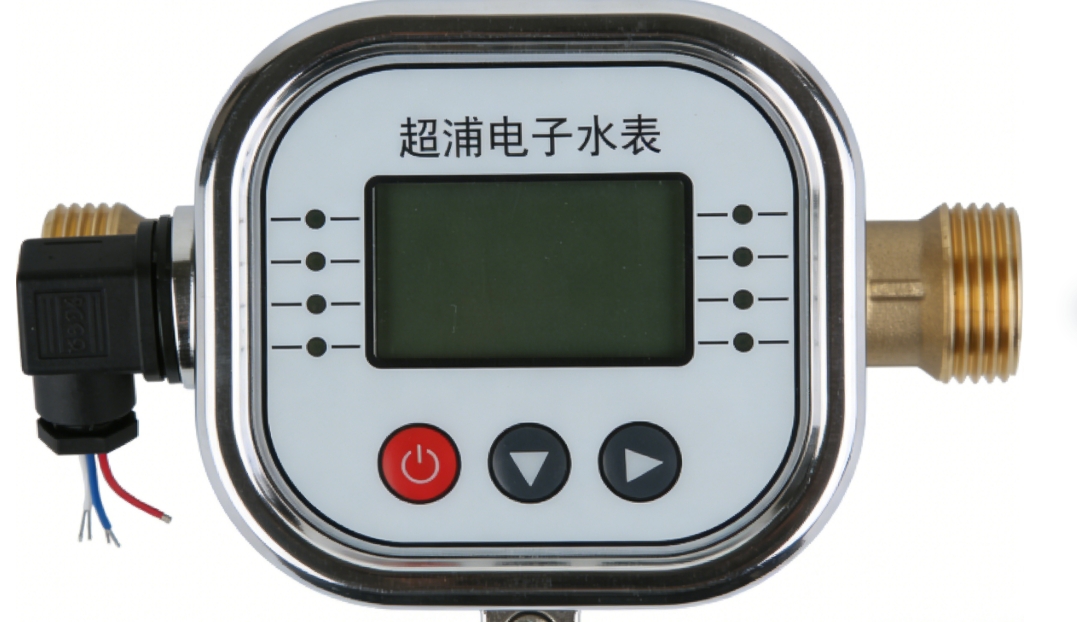
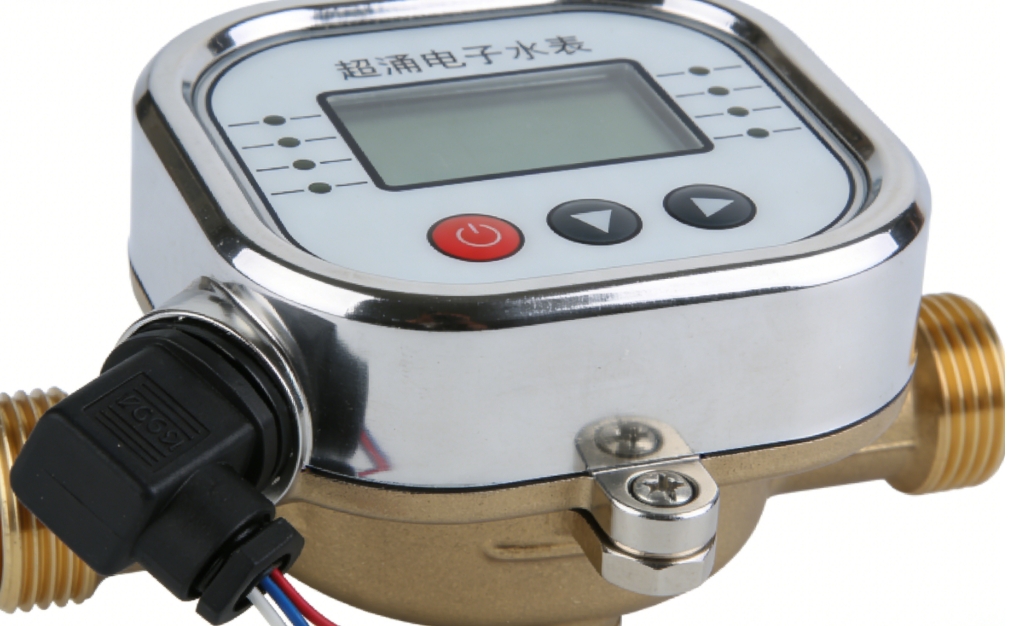


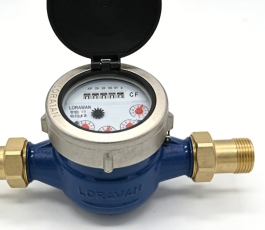
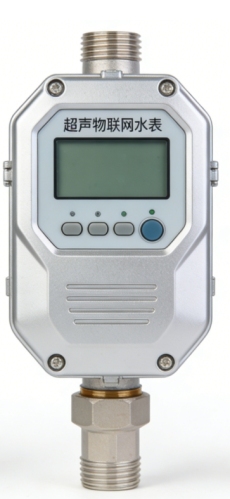
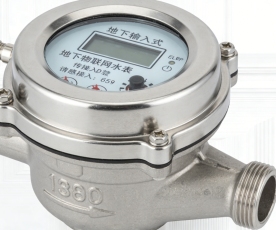
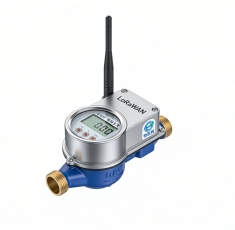

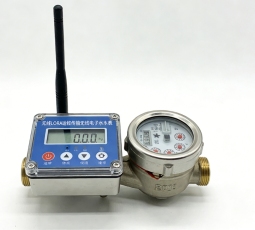
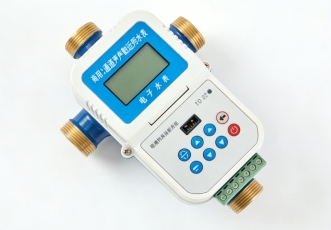
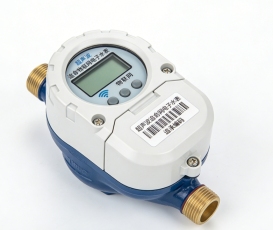
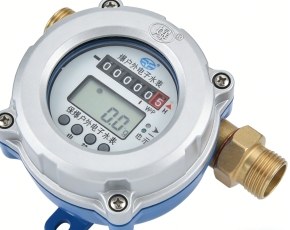
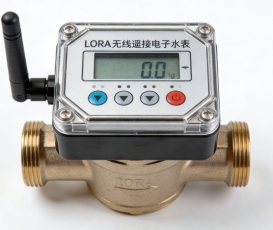
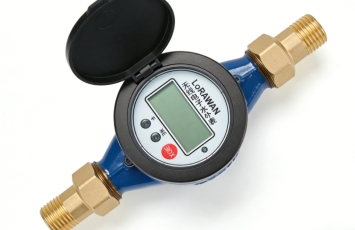
The core advantages of this ultrasonic electronic water meter include non-contact measurement principle, which eliminates mechanical wear and provides a service life of more than 15 years. It adopts Class 1 measurement accuracy standard, meeting the highest level of water metering accuracy requirements for industrial scenarios. The solar + lithium battery hybrid power supply mode ensures long-term stable operation without frequent battery replacement. It has a large outdoor LED display, which can clearly display real-time flow, total water consumption and fault information even in strong sunlight. It supports multi-node networking, and can connect hundreds of meters to the backend management system at the same time, realizing unified management of large-scale water supply pipelines. The anti-corrosion coating treatment makes it suitable for sewage and corrosive water measurement scenarios.
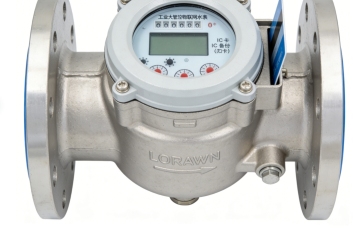
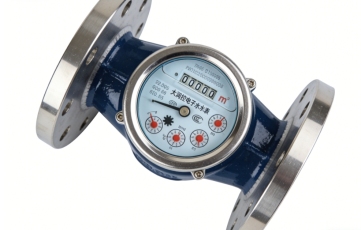
Product specifications: Nominal diameter range DN50 ~ DN300, flow range 10m³/h ~ 1000m³/h, meeting ISO 4064 Class 1 accuracy requirements. Adopts flanged connection installation, suitable for industrial and municipal large-caliber water pipelines. The overall size varies with nominal diameter, for DN100 model, the length is 450mm, diameter is 220mm, net weight is approximately 25kg. The solar panel power is 10W, and the lithium battery pack capacity is 50Ah, supporting more than 6 months of independent operation without sunlight. Protection grade IP68, suitable for outdoor and buried pipeline environments. It has passed CE, CSA and ISO 9001 certifications, meeting international industrial metering standards.
This product is mainly applicable to industrial parks, large-scale factory areas, sewage treatment plants, municipal water transmission main pipelines and other large-flow water metering scenarios. Industrial enterprises can use it to accurately count production water consumption and realize energy-saving management of water resources. Municipal water supply departments can use it to monitor the water volume of main pipelines, analyze water pipe network losses and optimize water distribution plans. It can also be used for water quality and flow monitoring of sewage discharge, providing data support for environmental protection departments.







 Post RFQ


 Chat
Chat


 ALL CATEGORIES