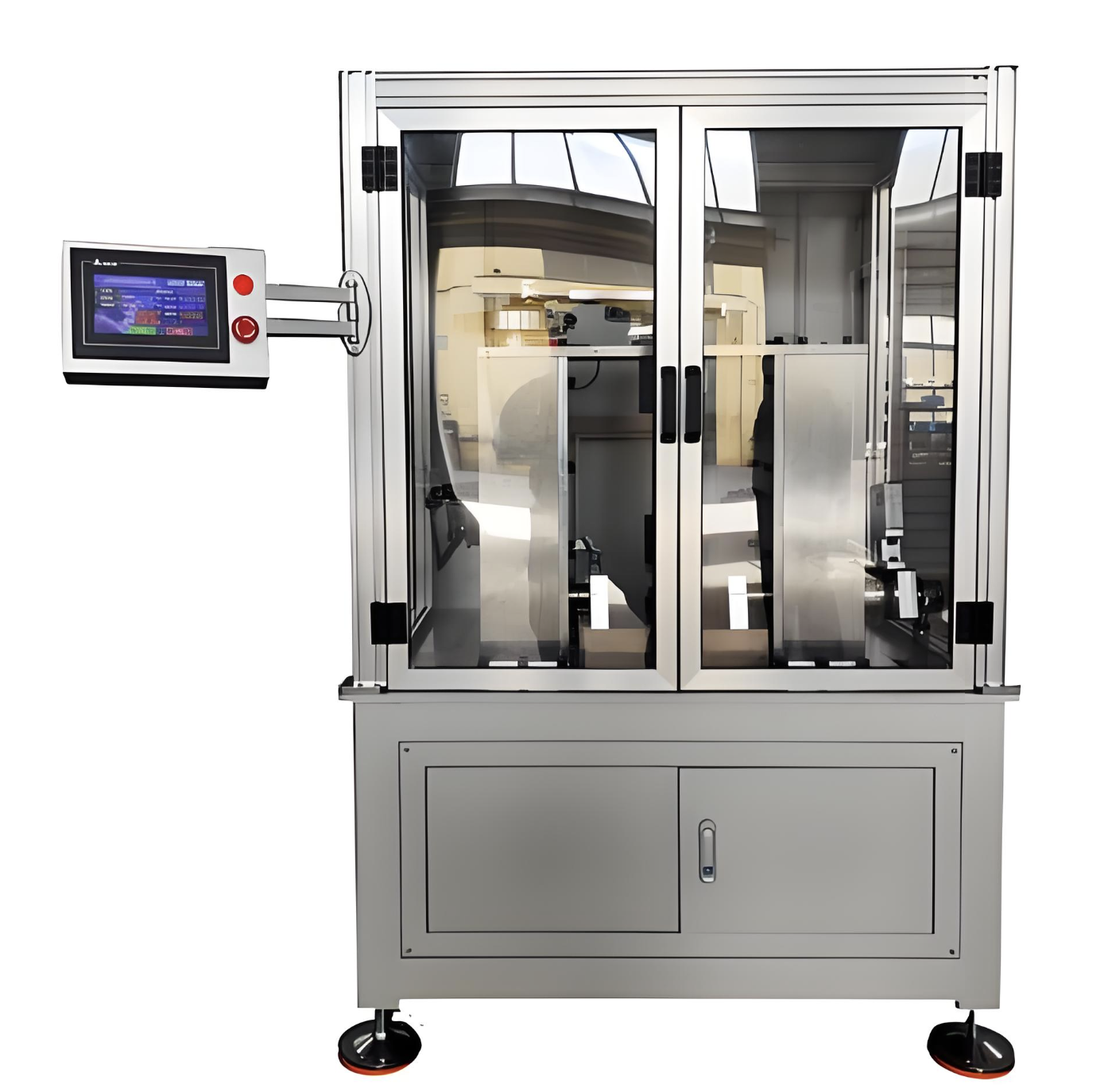






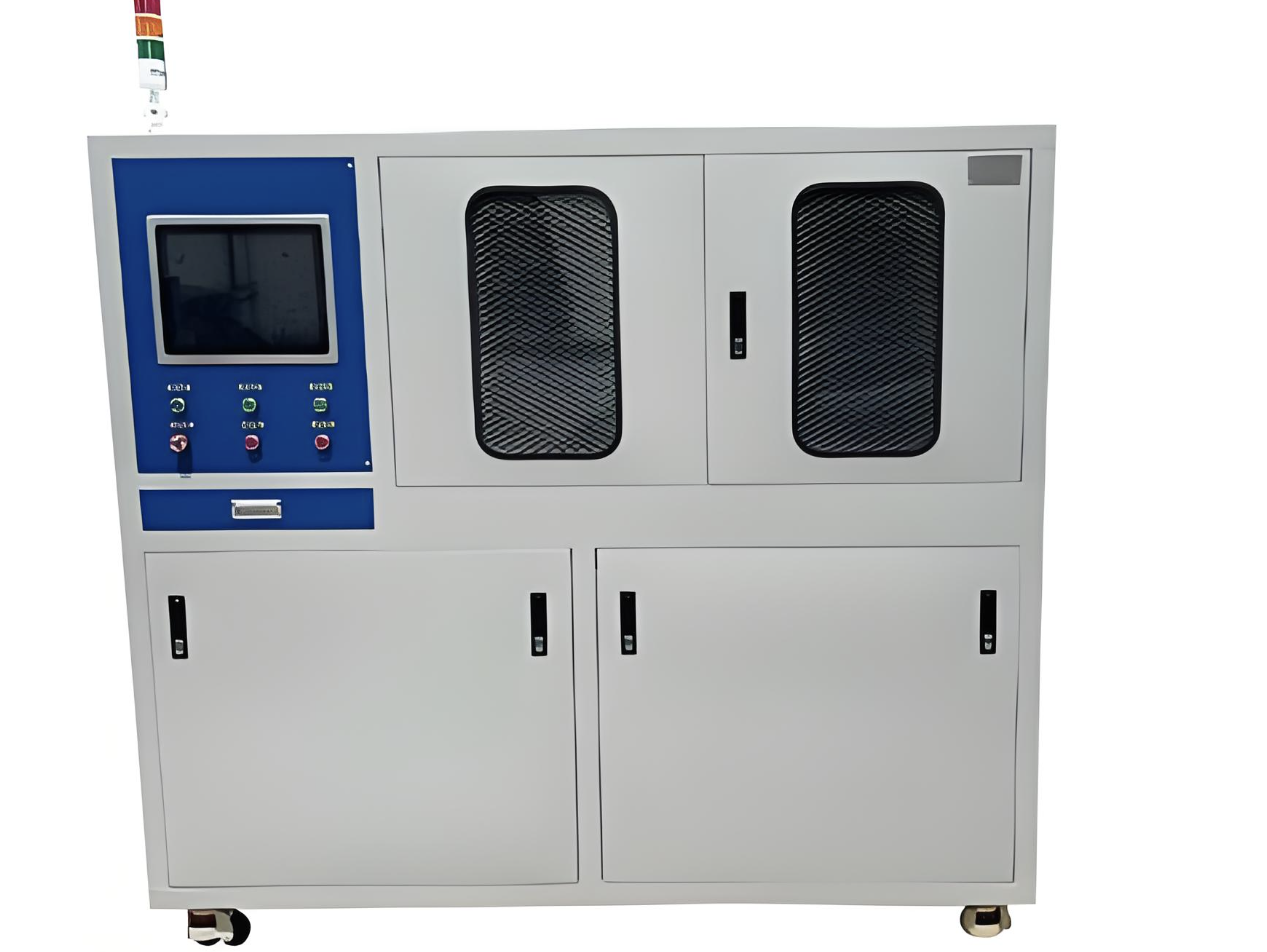
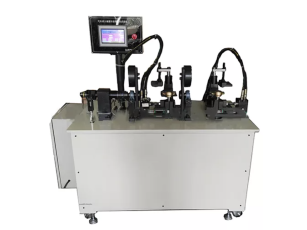
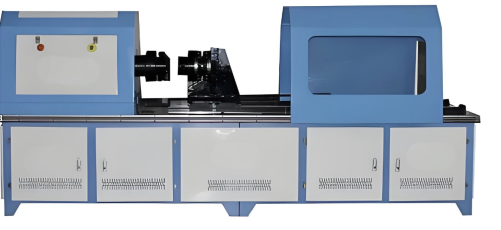
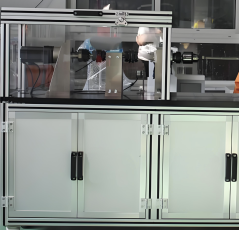
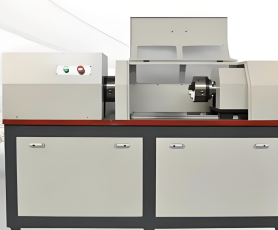
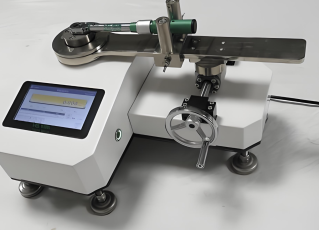
Focusing on the pain points of traditional manual torque testing with large errors and low efficiency, this machine adopts a precision load cell with ±0.5% full-scale accuracy, ensuring that each test data is accurate and repeatable. The semi-automatic operation mode reduces the labor intensity of operators, and the one-key testing function simplifies the testing process. It is equipped with overload protection mechanism to prevent equipment damage caused by misoperation, and the built-in data storage module can store up to 1000 sets of test records, supporting USB data export for further analysis. The standard clamping fixture set can adapt to ball joints with diameters from 10mm to 50mm, meeting the testing needs of most passenger car ball joint components. Compared with similar products, it has a more compact and stable structure, which is suitable for fixed use in workshop testing areas.
The overall dimensions of the machine are 800mm (length) * 600mm (width) * 1200mm (height), with a total weight of 120 kilograms. The test torque range is 0-500 kgf·m, with a display resolution of 0.1 kgf·m and a torque precision of ±0.5% FS. It is powered by 110/220V 50/60Hz, with a rated power of 0.5 kilowatts. The applicable ball joint diameter range is 10-50mm, and the testing angle range is 0-90 degrees. It is equipped with a 7-inch digital touch screen for parameter setting and data viewing, and the fixture can be quickly replaced according to different testing requirements. The equipment is made of high-strength cast iron material, ensuring long-term stable operation without deformation.
This equipment is mainly suitable for automotive parts manufacturing plants, automotive maintenance service centers, vehicle quality inspection stations and third-party testing institutions. Typical application scenarios include incoming material inspection of automotive ball joint components, durability testing after parts assembly, and routine quality inspection of finished products. It can meet the testing needs of passenger car steering systems, suspension systems and other ball joint related components, helping enterprises to control product quality, reduce after-sales repair costs, and comply with automotive industry quality standards.







 Post RFQ


 Chat
Chat


 ALL CATEGORIES