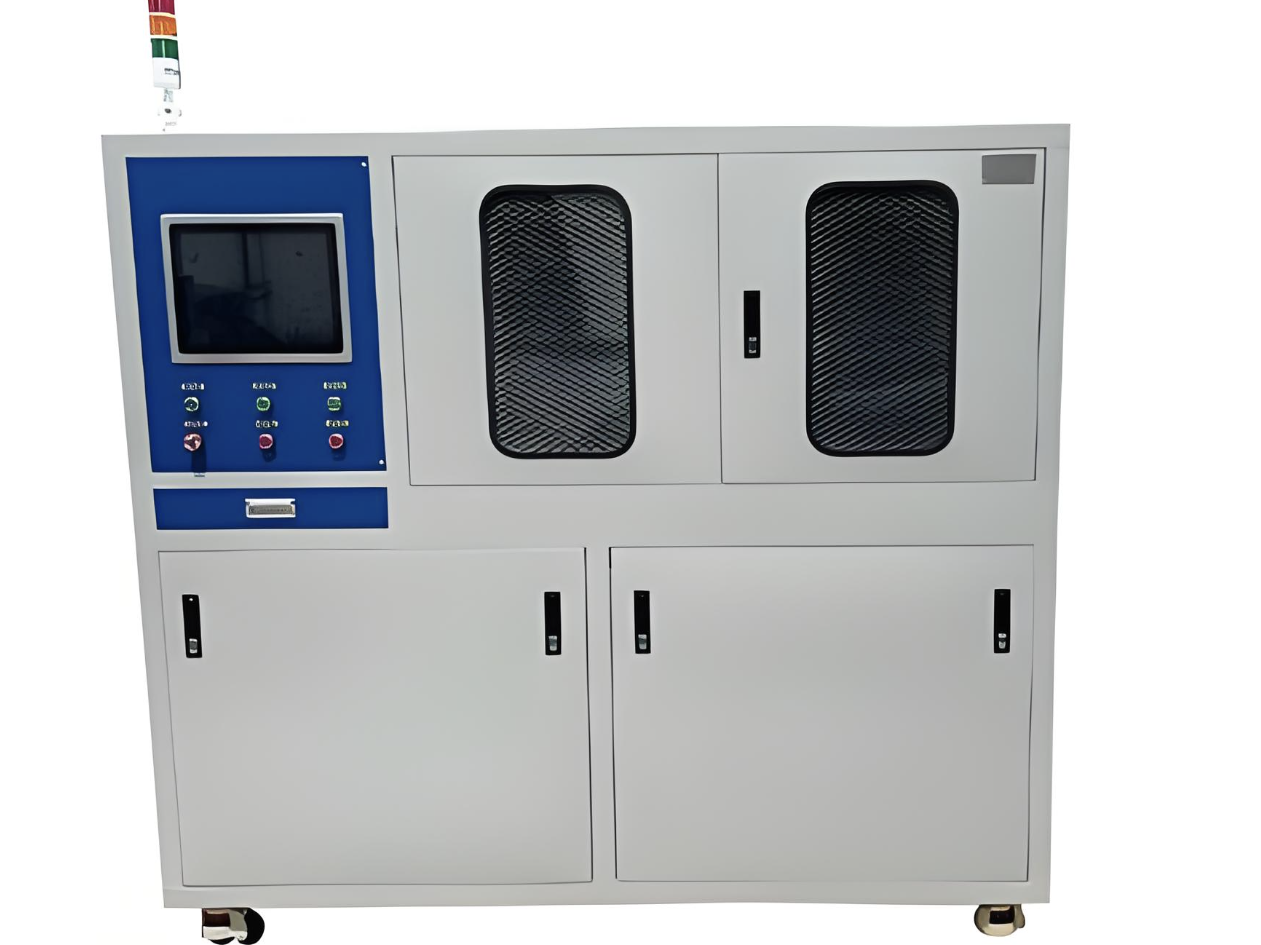
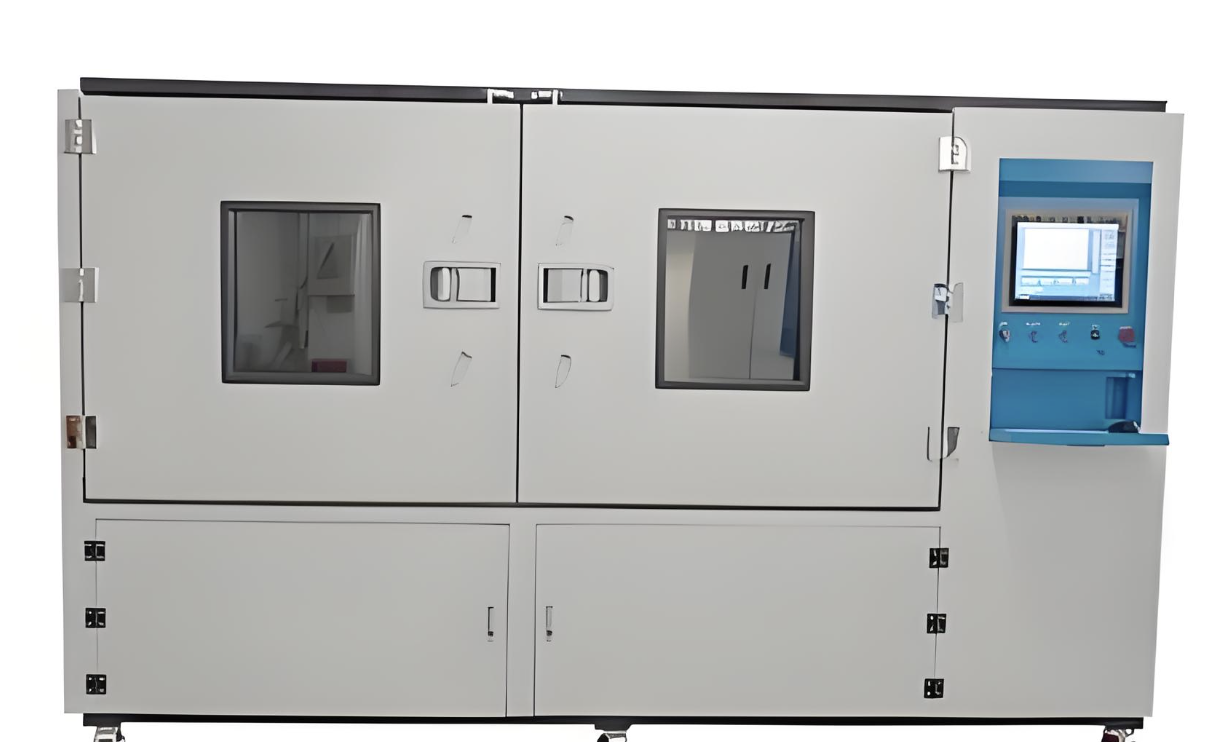





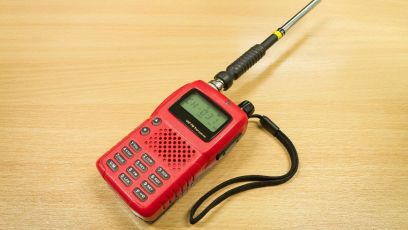
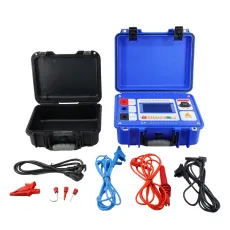
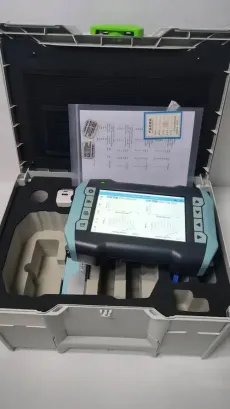

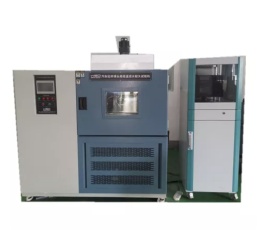
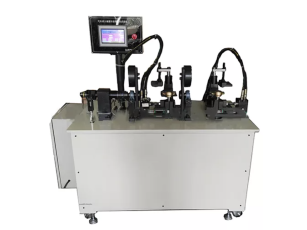
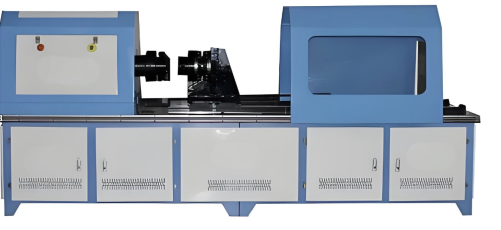
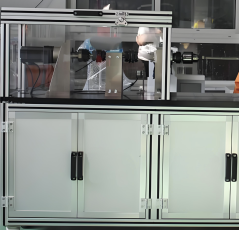
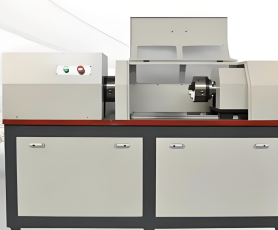
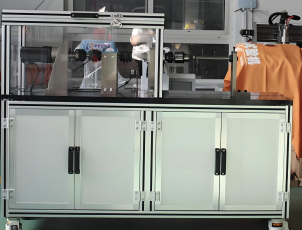
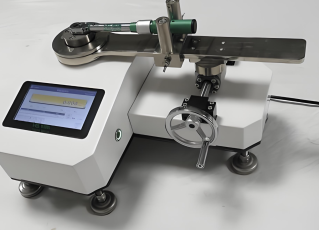
The core advantage of this machine lies in its ultra-simple operation interface, paired with an LED digital display that shows real-time torque data with one-click completion of tightening and loosening torque testing. It has a built-in basic data storage function that can export CSV format reports for after-sales filing. The cast iron body ensures structural stability to avoid vibration errors during testing, and replaceable standard ball joint fixtures mean no custom modifications are needed to fit most passenger car ball joint models. Considering the space limitations of small repair shops, the compact volume requires no extra large installation space, and it has passed CE safety certification, meeting European and American market sales standards, solving the pain point of small and medium-sized stores lacking professional testing equipment.
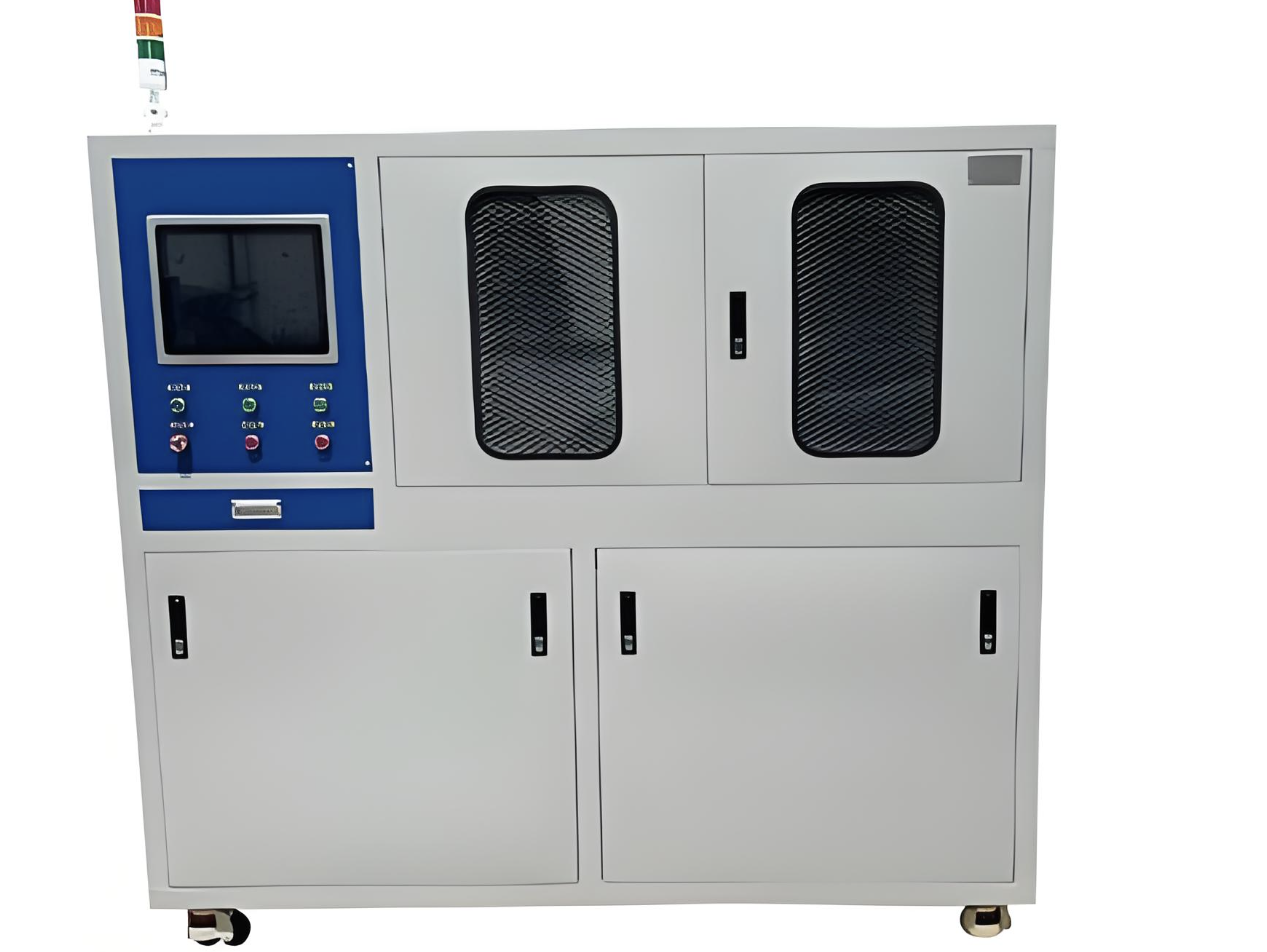
Torque measurement range covers 0 to 500 Newton-meters, with a measurement accuracy of ±0.5% of full scale. It supports dual power supply options of 110V AC and 220V AC, compatible with 50Hz and 60Hz power grids. The 7-inch LED digital screen provides clear data reading, and the test speed can be adjusted between 10 and 60 revolutions per minute to suit different test scenarios. The net weight is 35 Kilograms, with overall dimensions of 650 Millimeters in length, 450 Millimeters in width, and 800 Millimeters in height. It fits SAE J1939 and ISO 8032 standard ball joints, comes with a USB port for CSV report export, and has passed CE and CSA safety certifications. The operating temperature range is 0°C to 40°C, suitable for most indoor workshop environments.
This machine is suitable for small and medium-sized auto repair shops, automobile maintenance stores, and independent tire service centers. It is mainly used to detect the assembly torque of suspension ball joints for passenger cars and light commercial vehicles, verifying whether the ball joints are over-tightened, under-tightened, or have assembly defects. It can also regularly detect the torque attenuation of in-use ball joints to predict suspension system faults in advance and improve driving safety. The equipment can fit the original ball joint models of mainstream brands such as Ford, Toyota, and General Motors, meeting the conventional testing needs of daily store operations.







 Post RFQ


 Chat
Chat


 ALL CATEGORIES