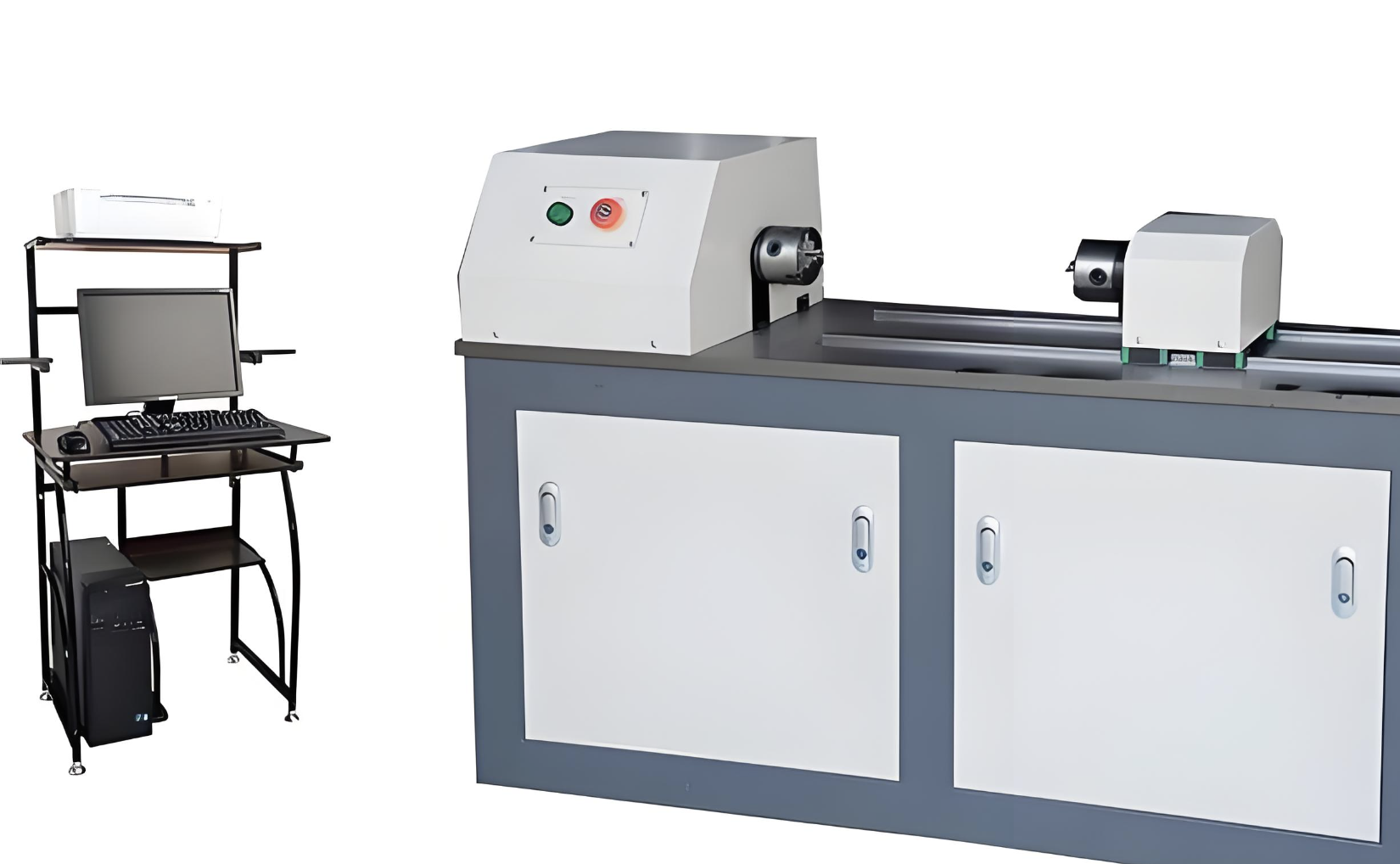
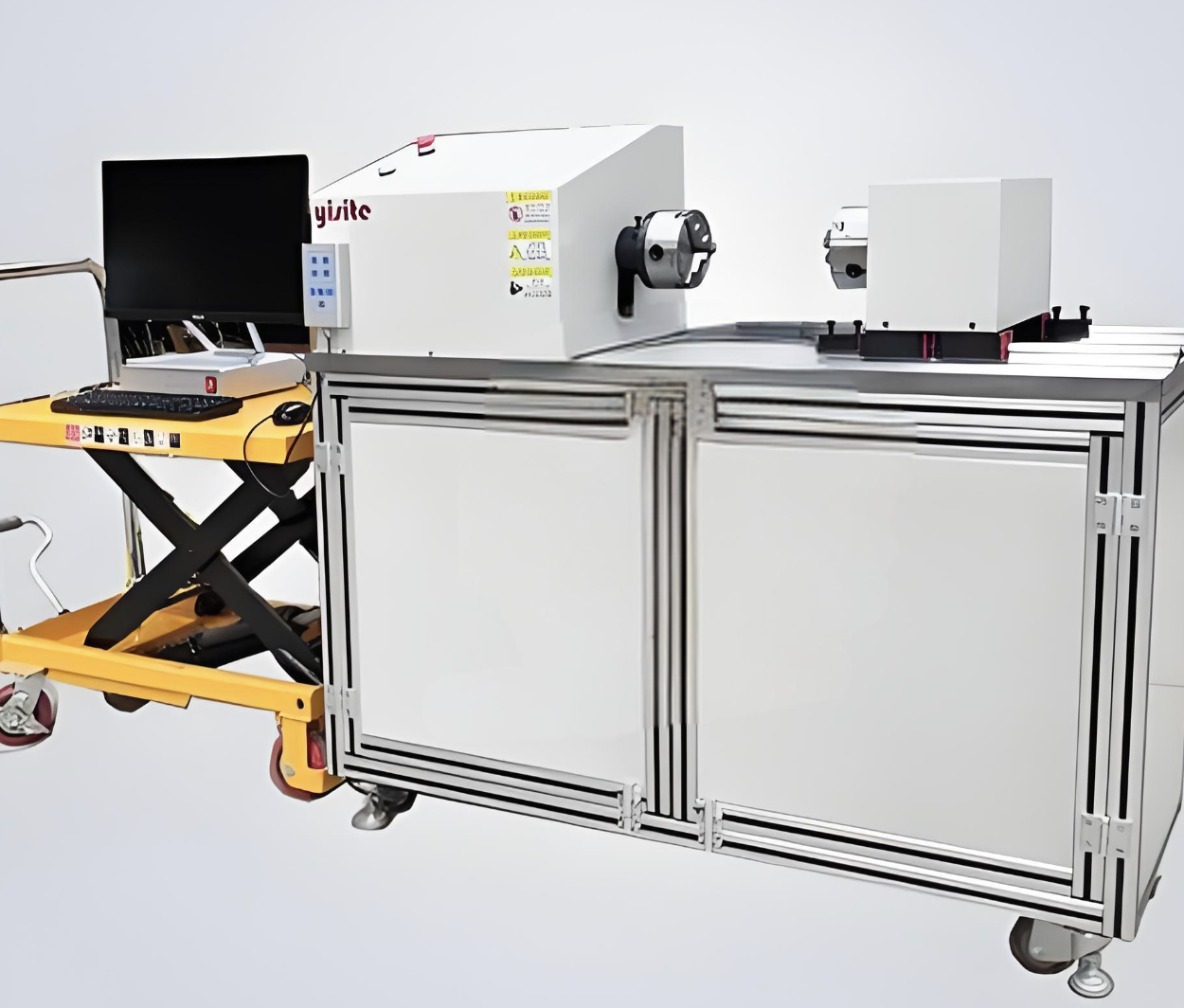






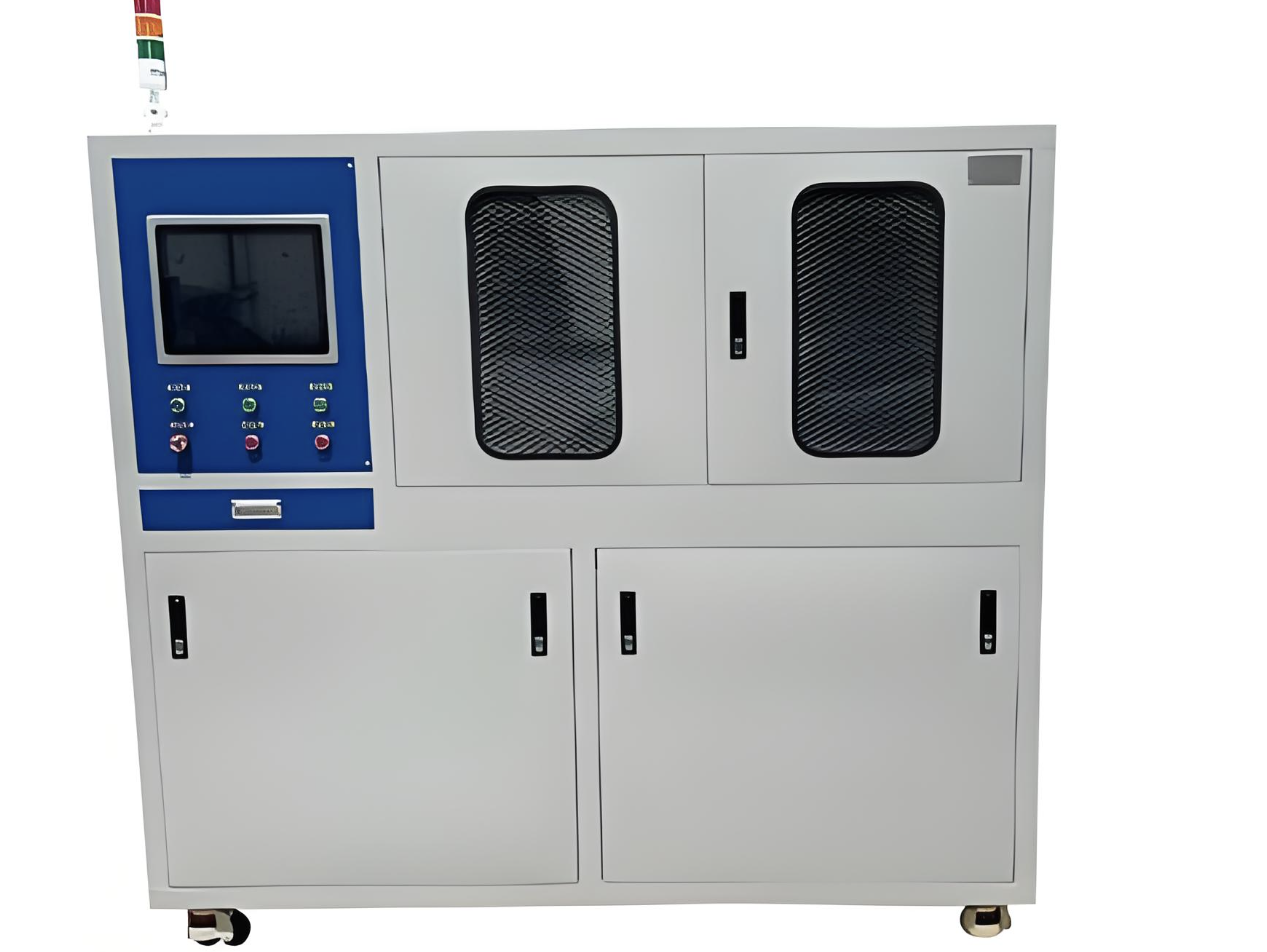
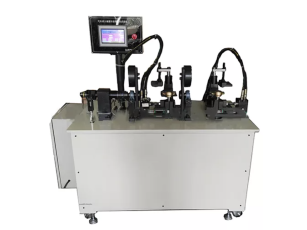
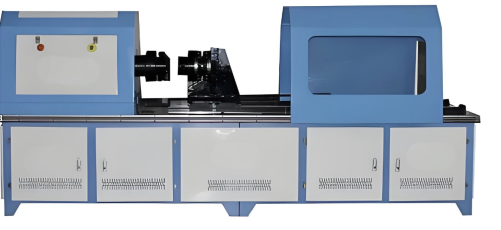
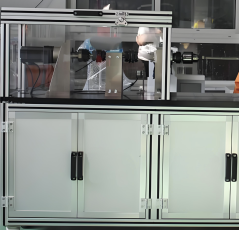
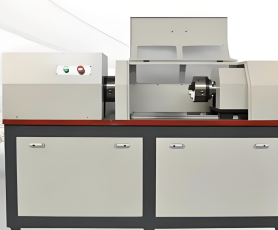
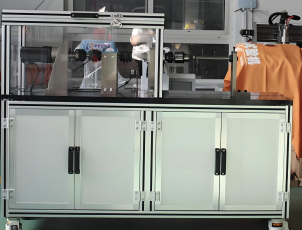
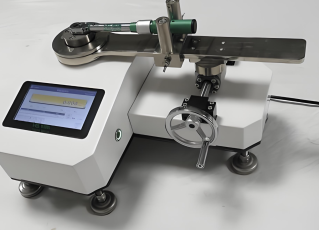
The standout feature of this machine is its sub-percent level measurement accuracy, meeting widely recognized testing standards for automotive R&D and third-party certification. It supports multiple test modes, including forward tightening, reverse loosening, and cyclic fatigue testing, which can fully simulate the actual working conditions of ball joints during vehicle use. The 10-inch touchscreen LCD provides intuitive data visualization, and the built-in cloud synchronization function enables remote access to test data by technical teams. The replaceable custom fixtures can be configured for heavy-duty commercial vehicle ball joints, supercar suspension components, and special-purpose vehicle ball joints, solving the testing needs of high-value and specialized automotive parts. It also complies with ISO 17025 standards, making its test reports globally recognized.
The torque measurement range is 0 to 2000 Newton-meters, with an accuracy of ±0.1% of full scale, meeting demanding and widely recognized testing requirements in the automotive industry. It supports dual power supply options of 220V AC and 380V AC, compatible with 50Hz and 60Hz power grids. The 10-inch industrial-grade touchscreen LCD displays real-time torque curves and test data, and the test speed can be adjusted between 1 and 30 revolutions per minute. The net weight is 120 Kilograms, with overall dimensions of 1200 Millimeters in length, 800 Millimeters in width, and 1000 Millimeters in height. It supports custom fixture configuration for various ball joint models, with both local storage and cloud synchronization for test data, and complies with ISO 17025 and CE safety certifications. The operating temperature range is 10°C to 35°C, suitable for standard laboratory environments.
This machine is mainly applied in automotive OEM R&D departments, third-party auto parts testing institutions, and professional automotive component quality control centers. It is used for the final quality inspection of newly developed ball joint products, fatigue life testing under cyclic load, and verification of torque parameters matching vehicle suspension design. It can also be used to test the torque performance of ball joints for heavy-duty commercial vehicles, supercars, and new energy commercial vehicles, providing accurate test data for product optimization and certification. The test reports generated by the machine can be directly used for international auto parts certification and supplier quality audit.







 Post RFQ


 Chat
Chat


 ALL CATEGORIES