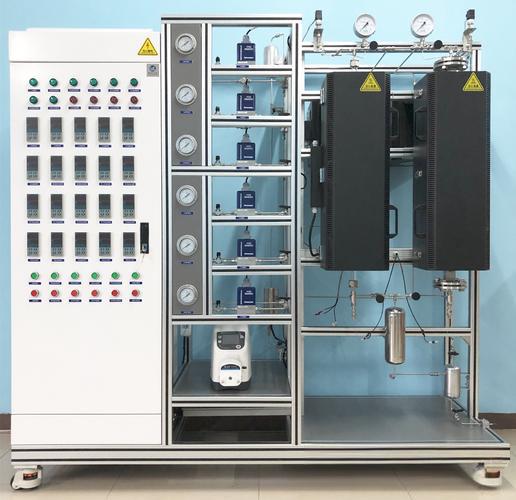
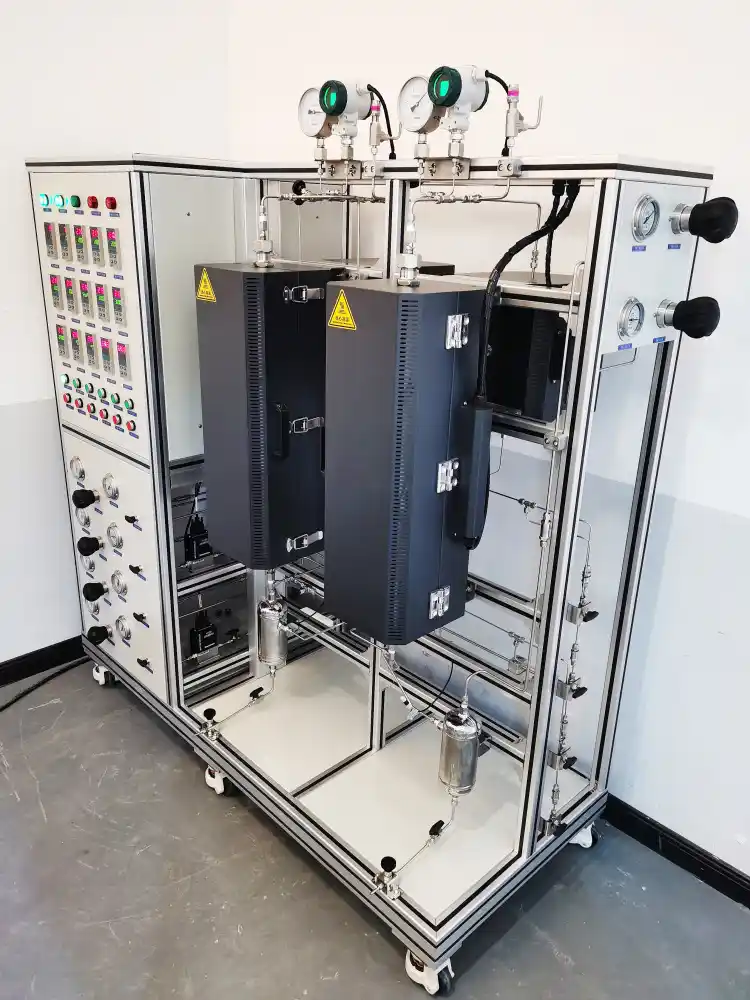


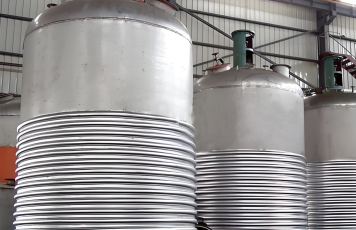
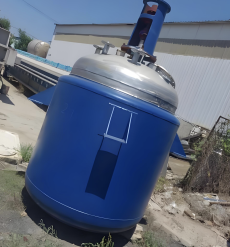
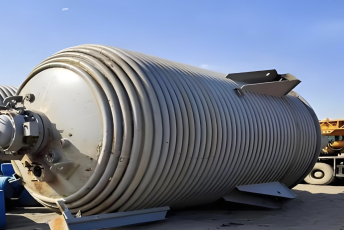
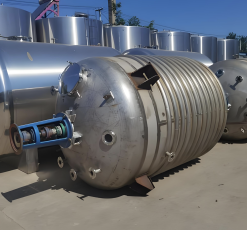

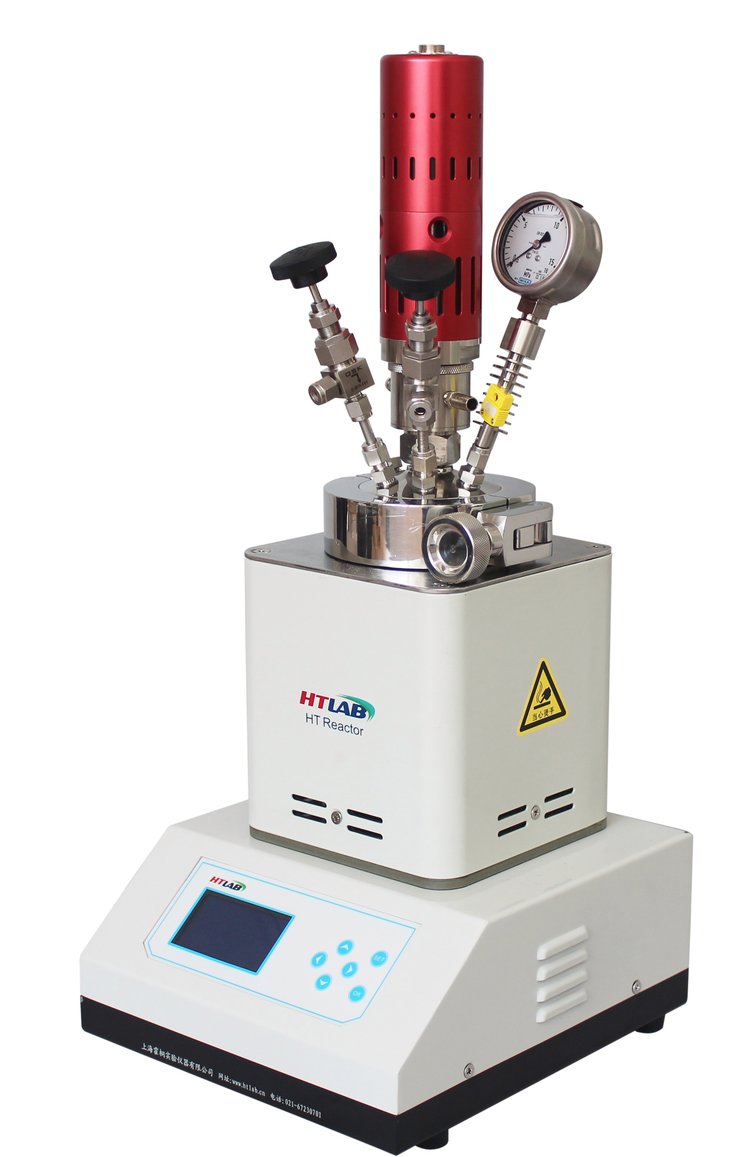
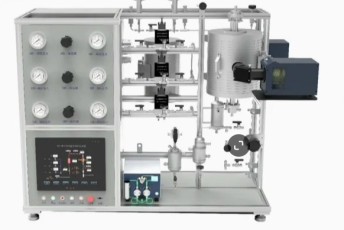
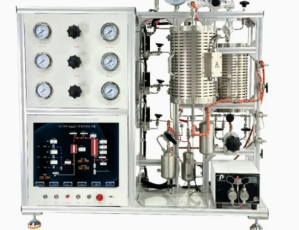
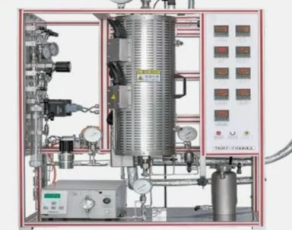
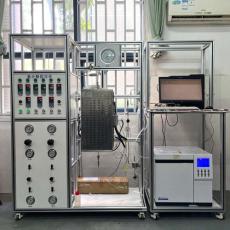
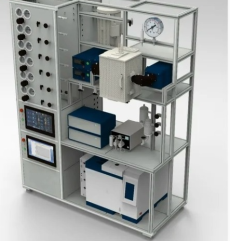
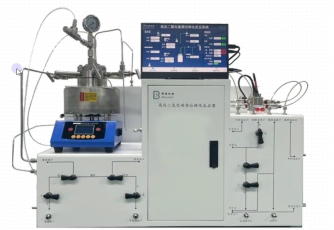
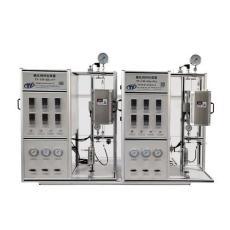
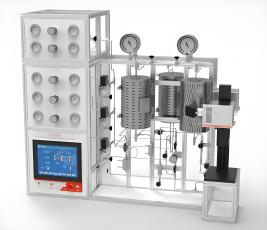
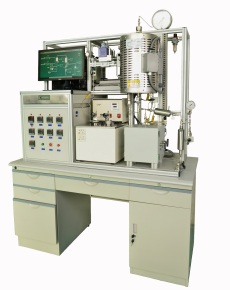
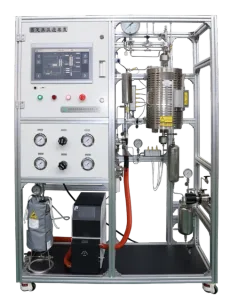
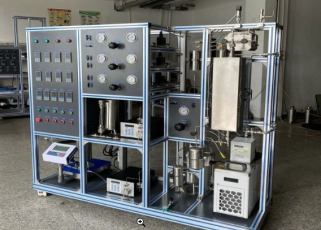
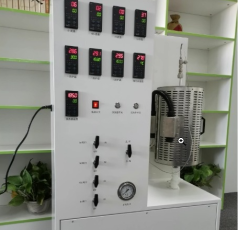
Different from traditional fixed bed devices, this equipment can simulate the real industrial fluidized bed reaction environment, and accurately regulate the fluidized gas flow to achieve a uniform fluidized state of the catalyst, avoiding catalyst caking and local overheating problems. It is equipped with a programmable temperature control system, which can realize custom reaction programs such as stepped heating and constant temperature insulation, adapting to the process requirements of different catalytic reactions. The built-in cyclone separator and dust filter module can effectively recover the catalyst particles in the reaction air flow, reduce sample loss and avoid pollution to subsequent testing equipment. The equipment adopts an integrated design, integrating the air supply system, reaction system and testing system into a single unit, no need to build additional auxiliary pipelines, greatly reducing the complexity of installation and debugging. At the same time, it is equipped with remote monitoring function, which can view the experimental data and equipment operating status in real time through mobile phones or computers.
The overall size of the machine is 1500mm×1000mm×1800mm, with a net weight of about 320kg, and is equipped with a set of 2000mL fluidized bed reactor, supporting replacement of 500mL/1000mL specification reactors. The power supply parameter is AC380V 50/60Hz, with a maximum power of 5kW. The fluidized gas intake system includes 2 sets of mass flow controllers, which can accurately control the flow ratio of fluidized gas and feed gas. The reactor adopts a three-layer jacket design, which can achieve stable temperature control, and the temperature fluctuation is controlled within ±2℃. The supporting sampling system of the equipment can realize timing automatic sampling, and with the FTIR online detection module, real-time component analysis of reaction products can be realized, and the data storage capacity can reach 5000 sets of experimental records.
It is mainly applicable to FCC catalyst evaluation in petrochemical field, fluidized bed catalytic combustion technology R&D, biomass catalytic gasification testing and other scenarios. Typical use scenarios include: fluidization performance test of refinery catalytic cracking catalysts, fluidized bed process verification of industrial waste gas catalytic degradation, fluidized bed reaction experiment of biomass hydrogenation catalysis. It can help researchers verify the process parameters of the fluidized bed catalytic system, optimize the fluidization state and service life of the catalyst, and provide key experimental data for the design and operation of industrial fluidized bed catalytic devices, adapting to the R&D and pilot test needs of energy chemical and environmental protection technology fields.







 Post RFQ


 Chat
Chat


 ALL CATEGORIES