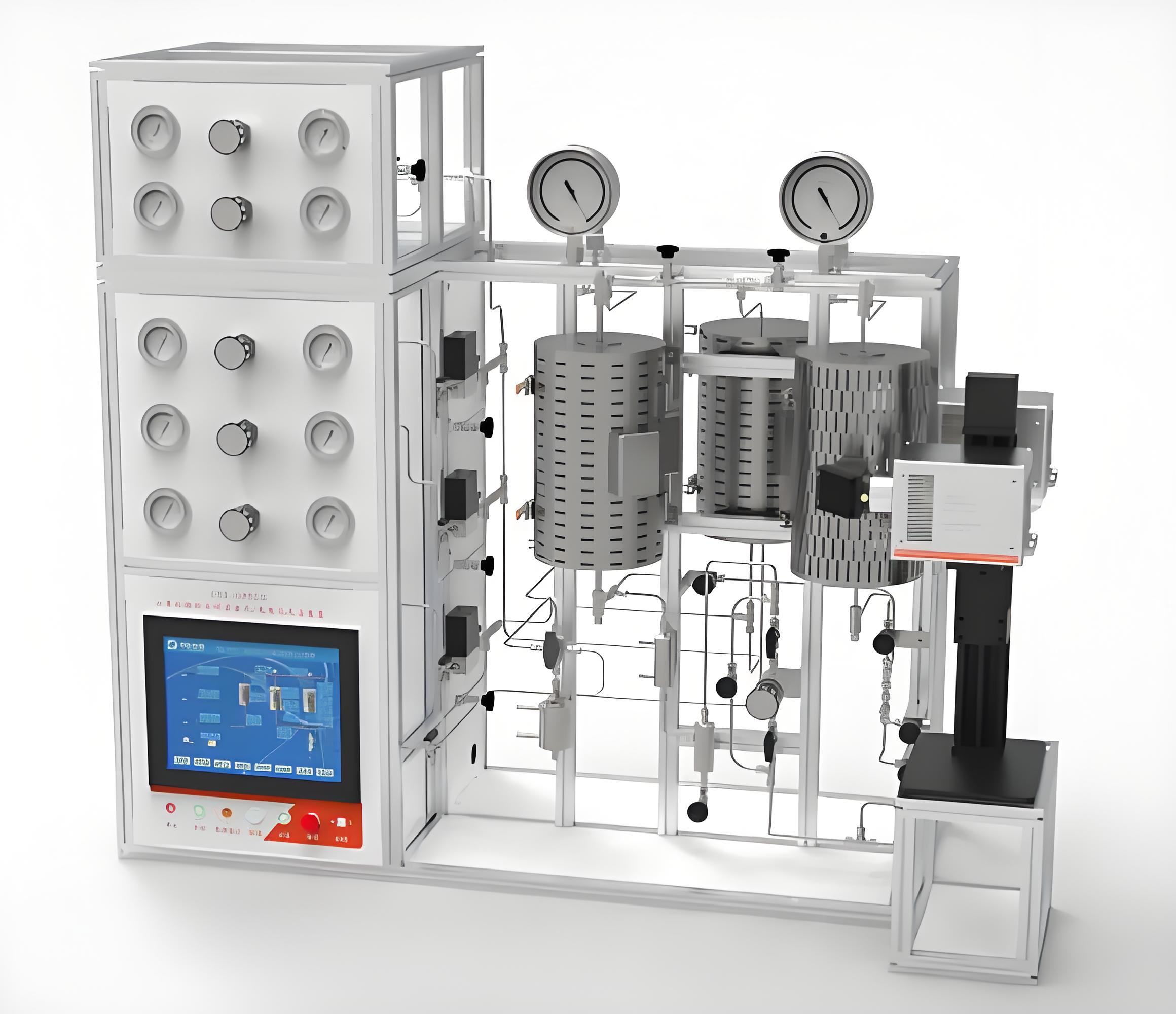
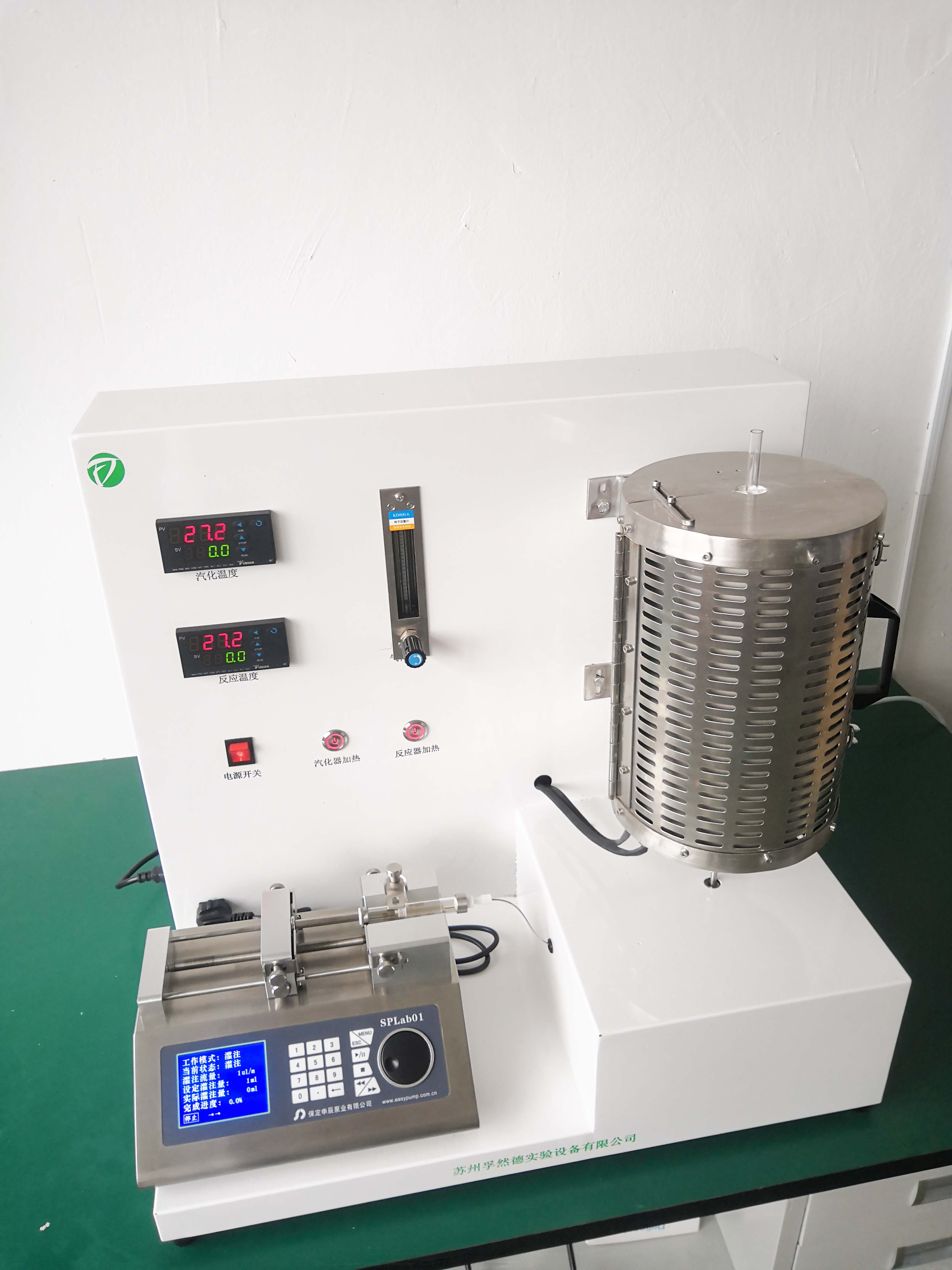


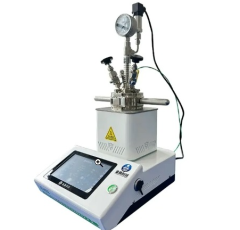
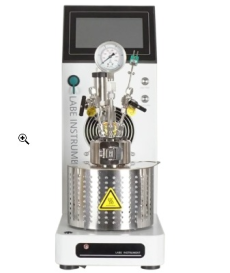
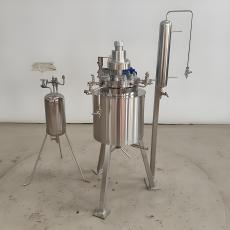
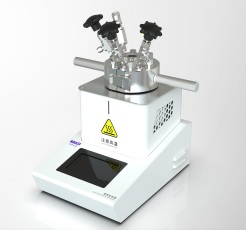

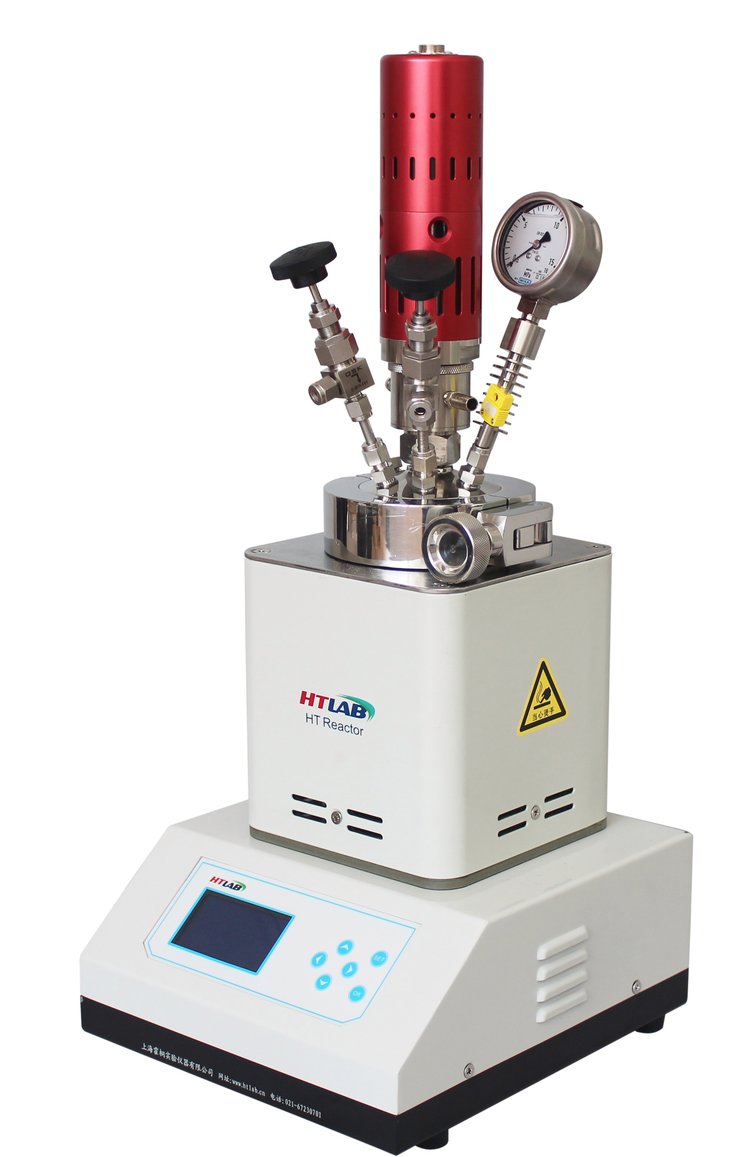
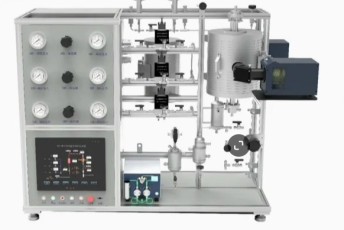
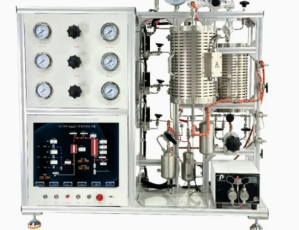
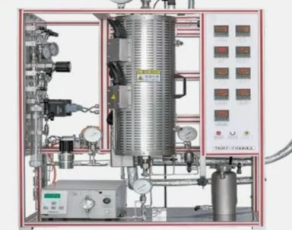
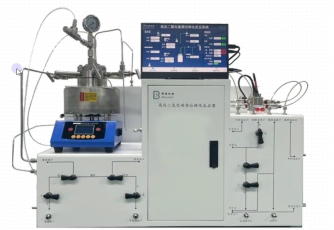
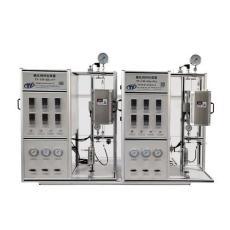
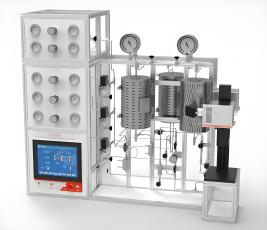
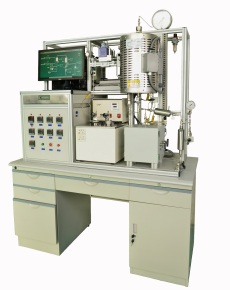
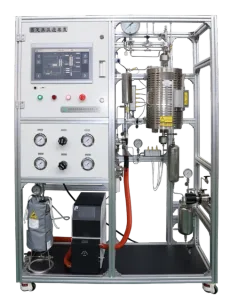
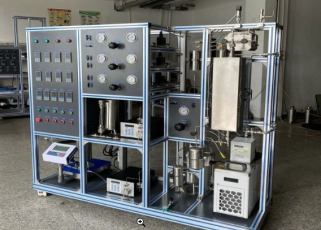
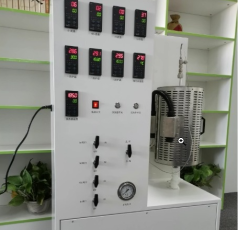
This rig stands out with its compact footprint and user-friendly touch-screen control interface, eliminating the need for complex professional training for operators. Its 316L stainless steel construction ensures corrosion resistance for most acidic and basic feedstocks, extending the device’s service life. The real-time PLC monitoring system captures key parameters including temperature, pressure, and flow rate with high accuracy, allowing researchers to adjust test conditions in real time. It also comes with multi-layer safety protection systems, including emergency stop buttons and automated shutdown triggers for abnormal conditions, minimizing the risk of test accidents and ensuring operational safety.
The device has a maximum evaluation volume of 5mL per batch, with an operating temperature range of 100°C to 800°C and pressure range of 0.1MPa to 10MPa. It supports 110/220V AC power supply with 50/60Hz frequency, and its overall dimensions are 0.8 meters in length, 0.6 meters in width, and 1.2 meters in height, with a total weight of 120 kilograms. It is compatible with gaseous, liquid, or mixed feedstocks, and can export test data in CSV or PDF formats for further analysis and report generation. The touch-screen control panel allows users to set custom test protocols, adjust parameter thresholds, and view real-time test curves at a glance.
This small-scale catalyst evaluation rig is primarily applicable to university chemical engineering labs, independent catalyst R&D startups, and quality control teams for small chemical manufacturing plants. Typical use cases include preliminary screening of noble metal catalysts, evaluation of photocatalytic material performance, and testing of catalytic reaction efficiency for fine chemical synthesis. It can also be used to validate small-scale catalytic reaction processes before scaling up to pilot or commercial production lines, helping R&D teams reduce trial-and-error costs and accelerate product development cycles.







 Post RFQ


 Chat
Chat


 ALL CATEGORIES