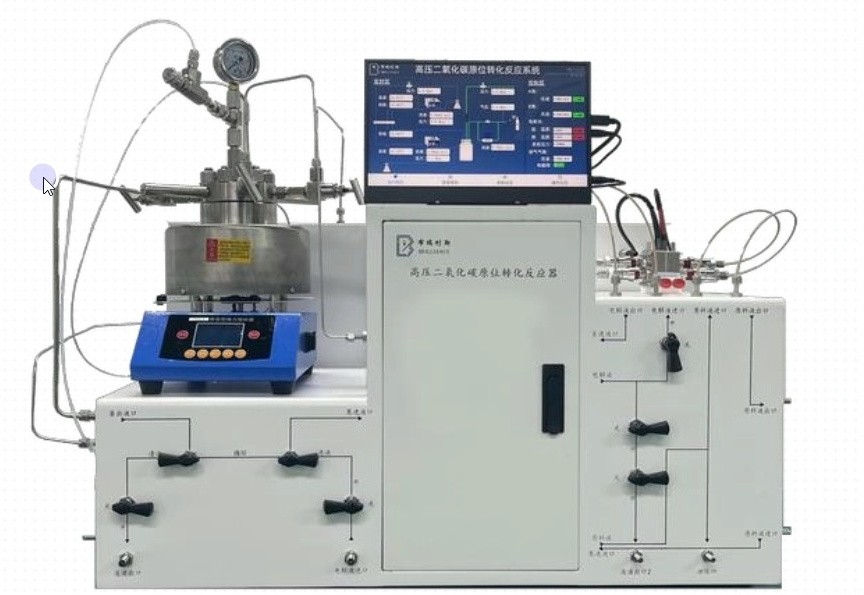
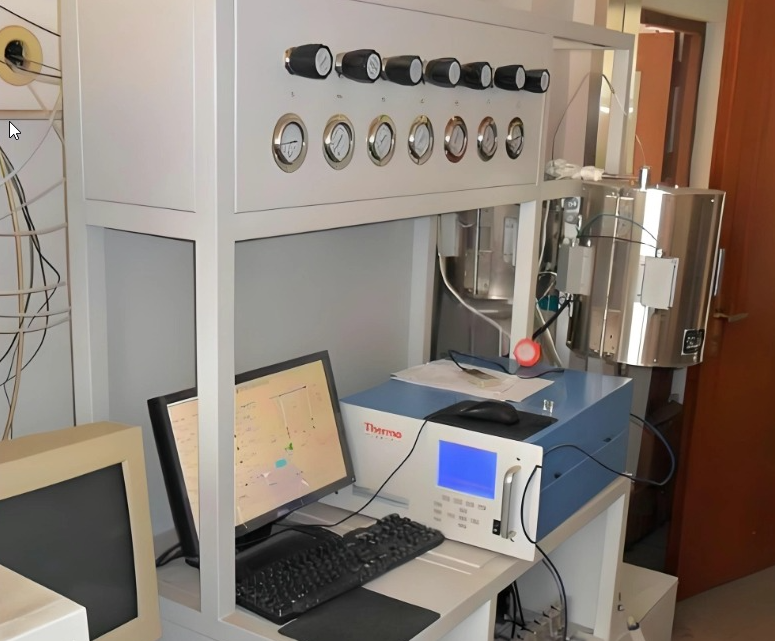


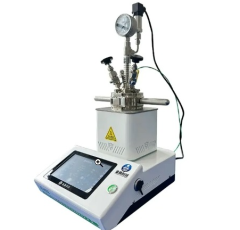
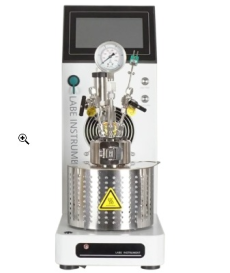
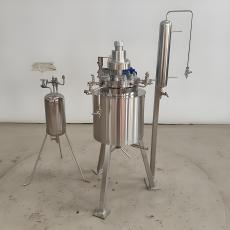
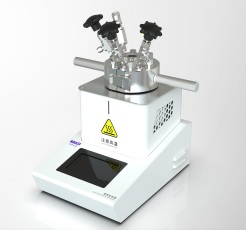

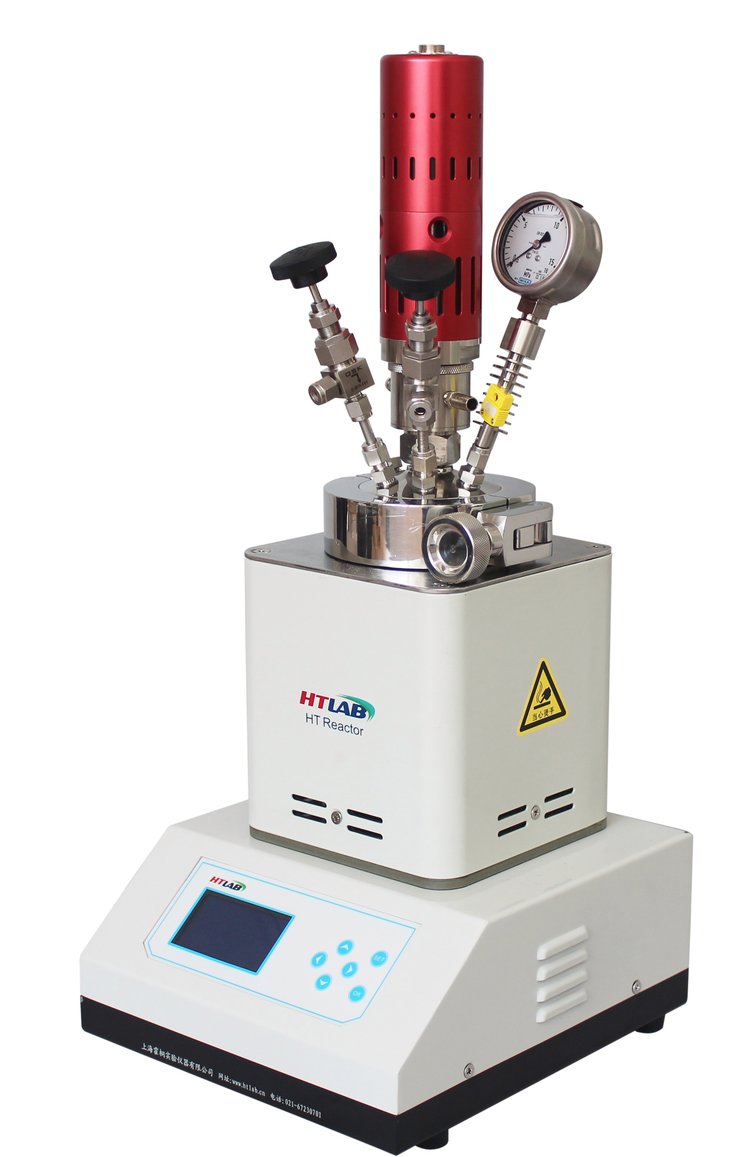
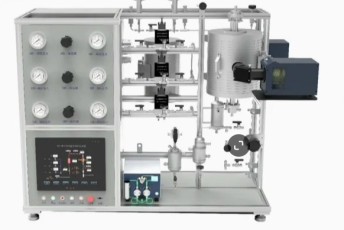
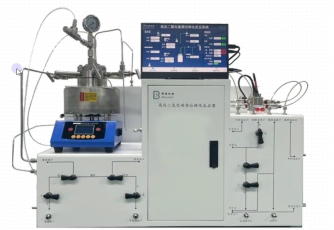
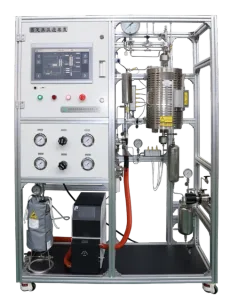
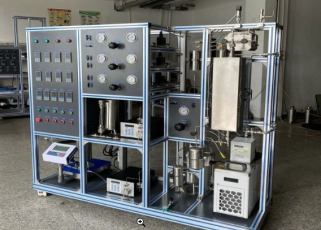
The system’s in-situ spectroscopy integration allows researchers to monitor catalyst surface morphology, active site changes, and reaction intermediate products in real time, without stopping the reaction or collecting samples. Its integrated mass spectrometer provides real-time analysis of product gas and liquid compositions, with a high data sampling rate of 1Hz per channel to capture rapid changes in reaction parameters. The 316L stainless steel and quartz construction ensures compatibility with high-temperature and high-pressure reaction conditions, while the remote automated calibration function allows users to calibrate the spectroscopy and mass spectrometry modules without on-site technical support. It also features cloud-based data storage, allowing researchers to access and analyze test data from anywhere in the world via the internet.
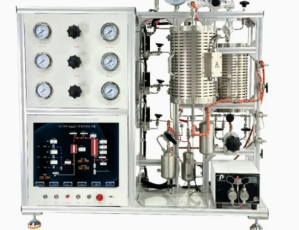
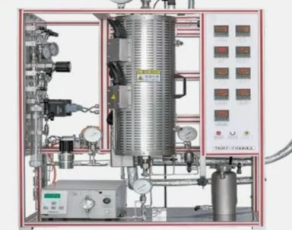
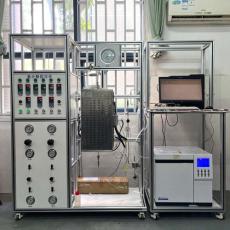
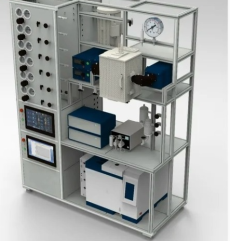
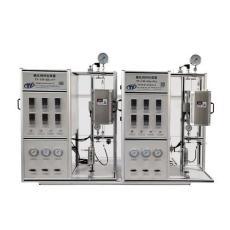
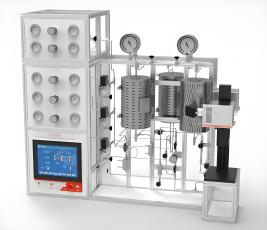
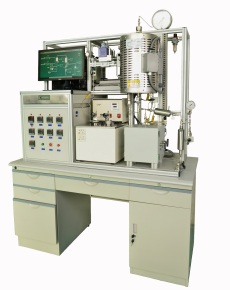
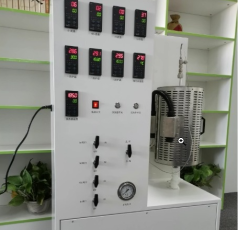
The system has a reactor volume ranging from 2mL to 10mL per test, with an operating temperature range of 150°C to 900°C and pressure range of 0.5MPa to 15MPa. It uses a 220V AC 50/60Hz power supply, with overall dimensions of 2.2 meters in length, 1.8 meters in width, and 2.0 meters in height, and a total weight of 620 kilograms. It integrates a Raman/in-situ IR spectroscopy module and an online mass spectrometer for real-time reaction analysis, with a data sampling rate of 1Hz per channel. The system supports remote automated calibration and cloud-based data storage, allowing users to access test data and adjust parameters via an internet-connected device.
This in-situ online catalyst testing system is primarily applicable to university advanced catalysis research labs, national energy research centers, and pharmaceutical catalytic process development teams. Typical use cases include studying catalytic reaction mechanisms, optimizing catalyst active site design, and evaluating the performance of new catalytic materials under real reaction conditions.







 Post RFQ


 Chat
Chat


 ALL CATEGORIES