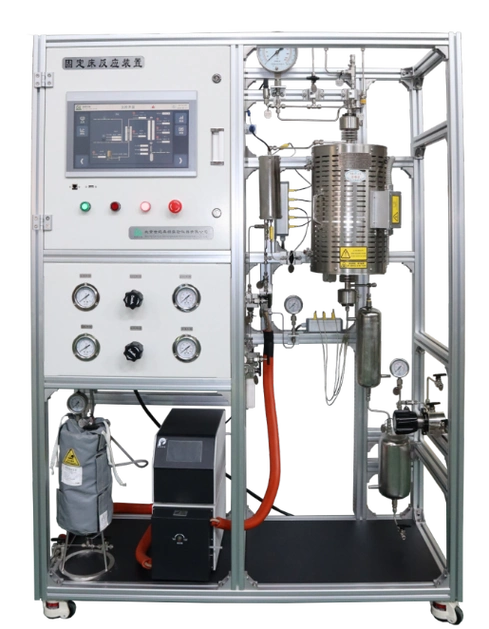
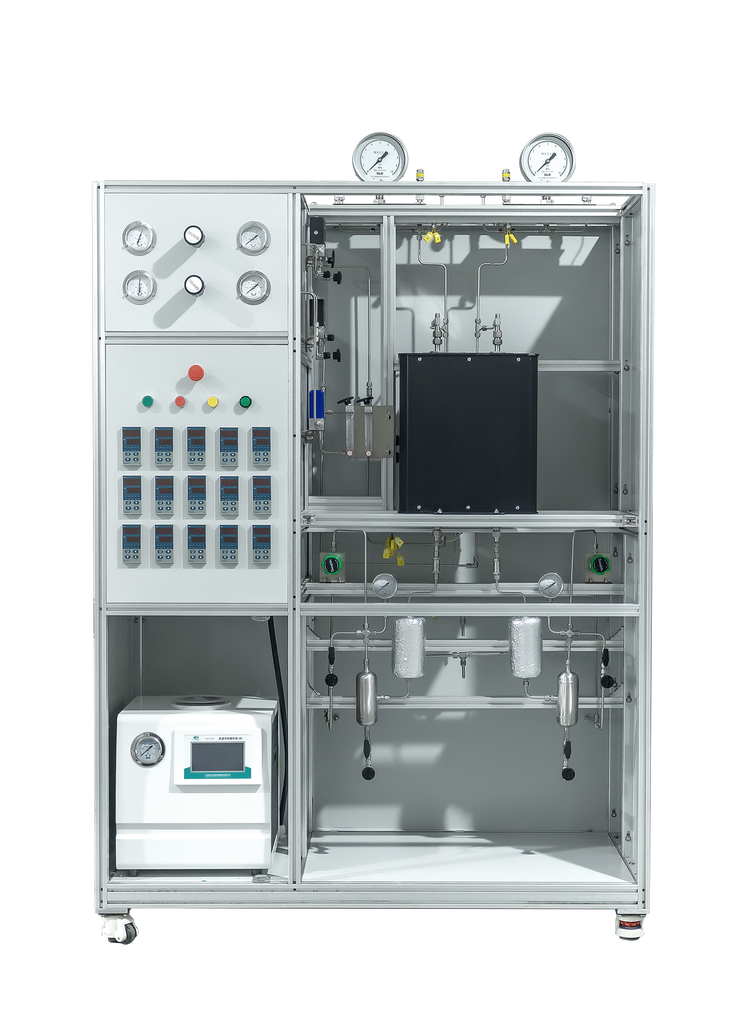


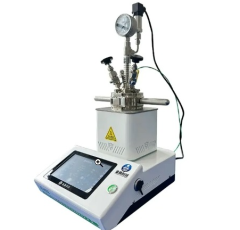
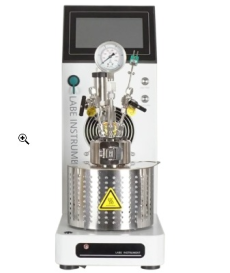
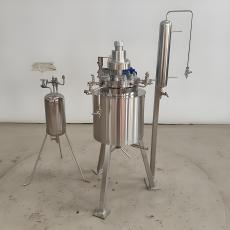
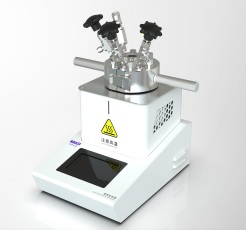

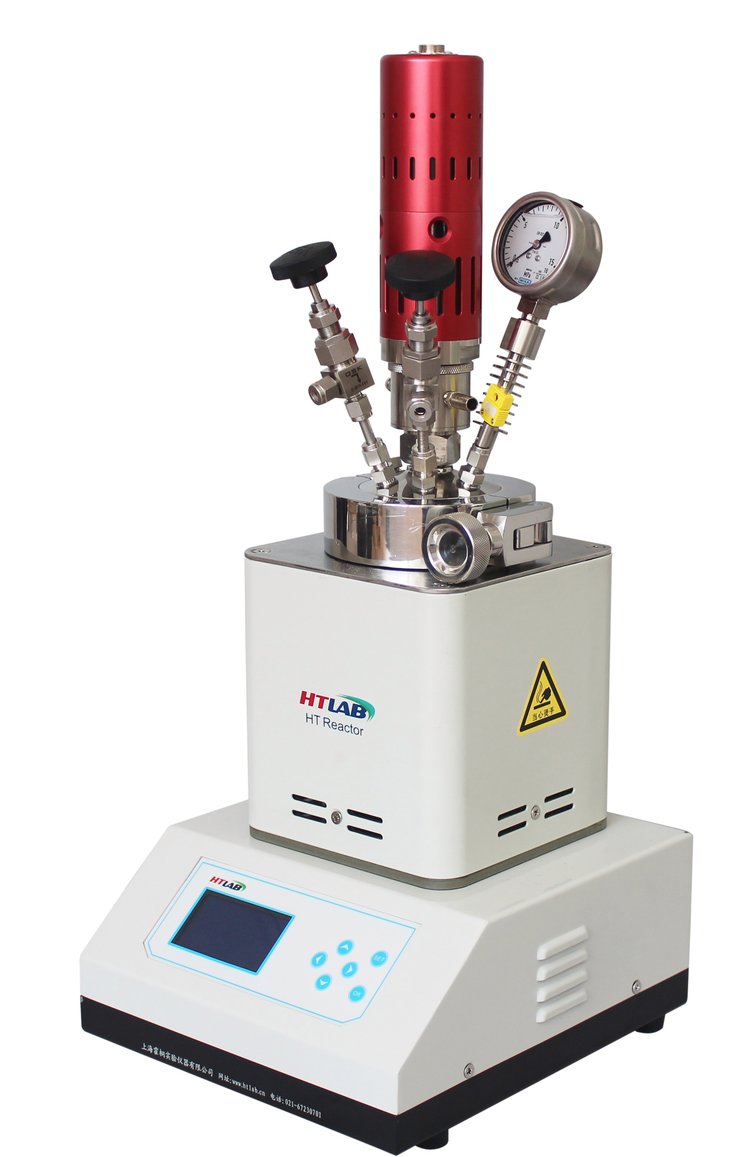
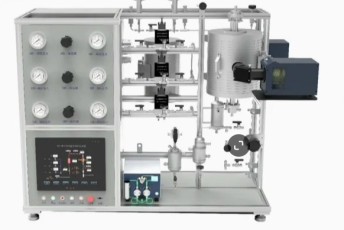
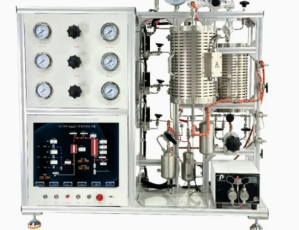
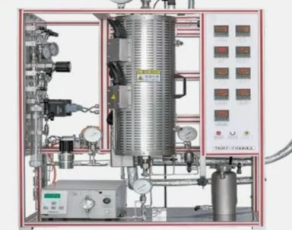
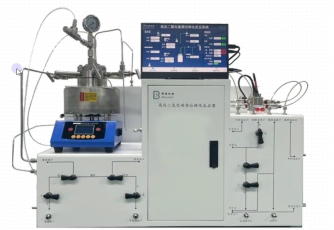
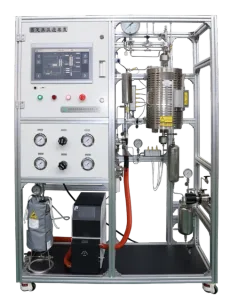
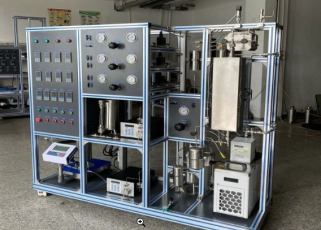
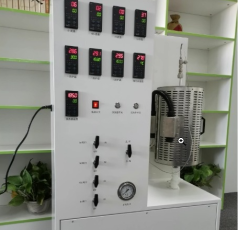
The unique advantage of this unit is its in-situ real-time monitoring capability, solving the pain point of inability to observe catalyst structural changes during traditional offline testing. The sapphire window reactor design ensures high light transmittance and corrosion resistance, allowing Raman signals to pass through without interference from the reactor material. The optional 532nm and 638nm laser wavelengths meet the testing needs of different catalyst samples, avoiding fluorescence interference. The built-in vacuum system enables testing under anaerobic or vacuum conditions, suitable for sensitive catalytic reactions. It integrates real-time spectral data and reaction parameter data, enabling synchronous analysis of catalyst structure and reaction performance, providing more comprehensive research data than traditional offline testing methods.
Reactor size: Φ80mm × 250mm; Raman spectroscopy detection range: 100-4000 cm⁻¹; Overall dimensions: 1500mm × 1000mm × 1800mm; Net weight: 620 kg; Power supply: 220V AC 50/60Hz; Laser power adjustable: 0-500 mW; Vacuum degree: ≤1 Pa; Data acquisition rate: 1 spectrum per second; Compatible with most commercial Raman spectrometers; Support for real-time linkage with gas phase analysis equipment.
Suitable for basic catalysis research, including in-situ analysis of catalytic reaction mechanisms, characterization of catalyst surface structure changes during hydrogenation, oxidation, and photocatalytic reactions, and optimization of catalyst preparation processes. Typical use cases include studying the deactivation mechanism of automotive exhaust catalysts, analyzing the active site changes of photocatalysts during water splitting, and exploring the reaction path of biomass catalytic conversion. It is an essential tool for in-depth catalysis mechanism research in universities and research institutions.







 Post RFQ


 Chat
Chat


 ALL CATEGORIES