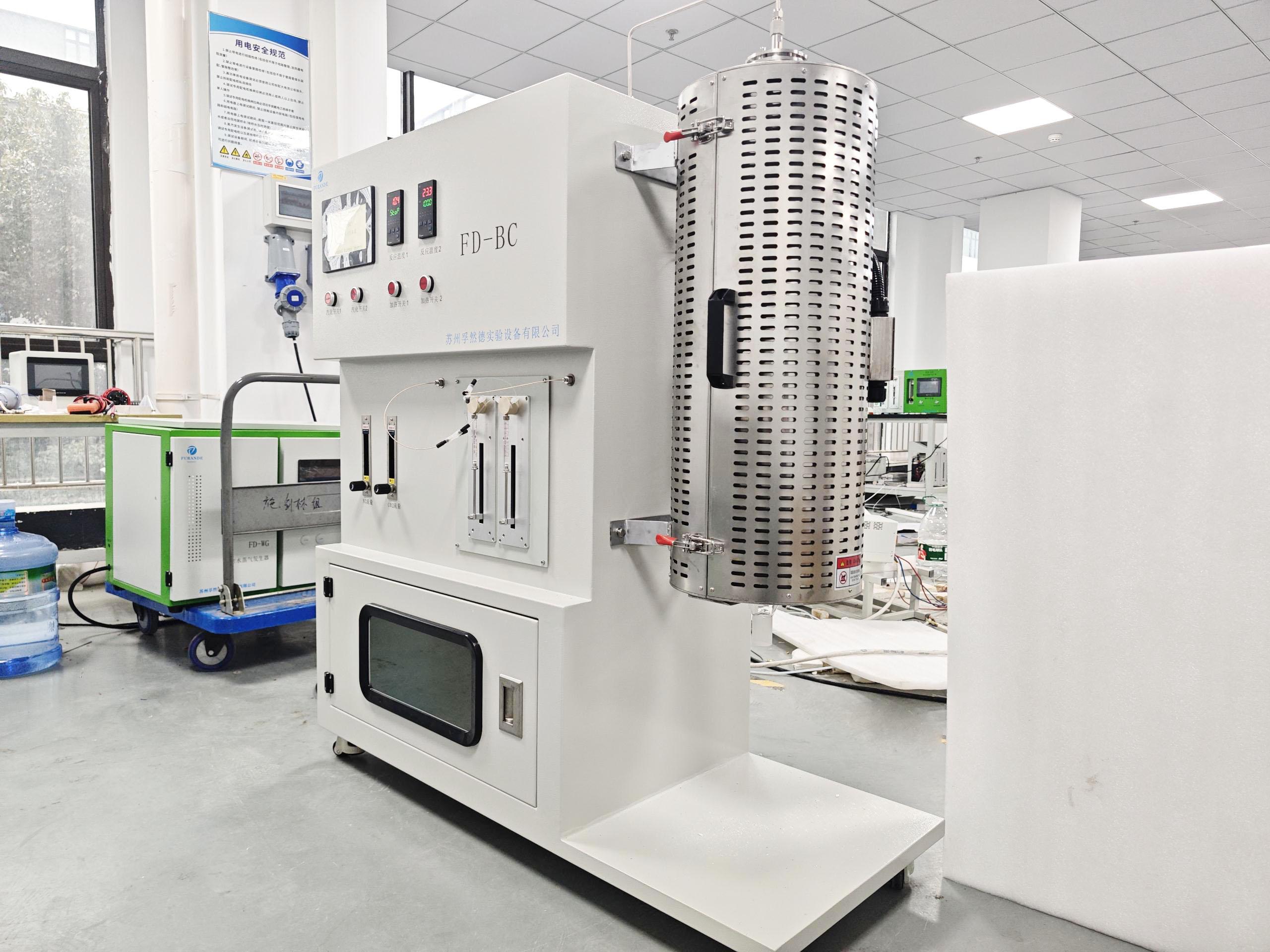
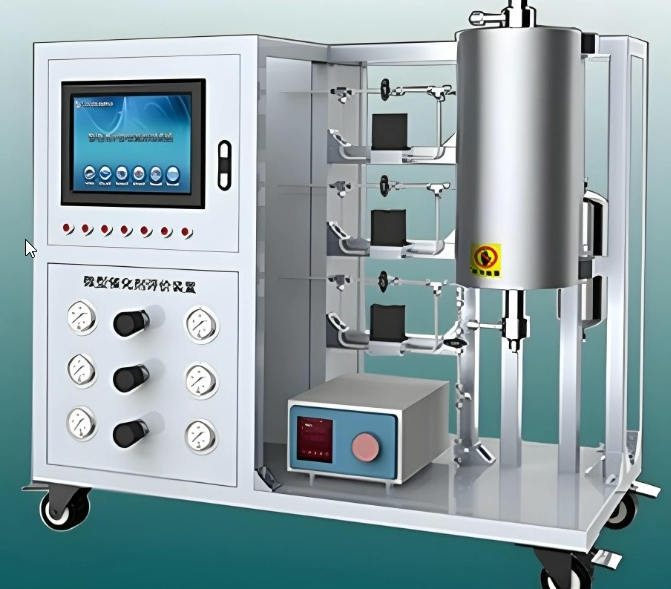


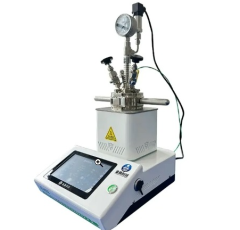
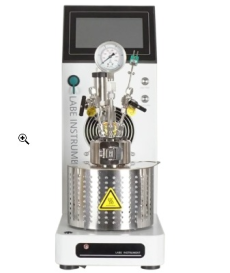
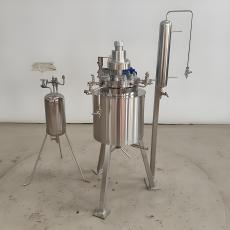
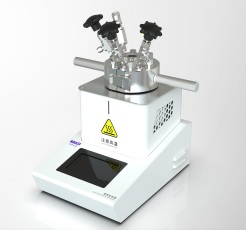

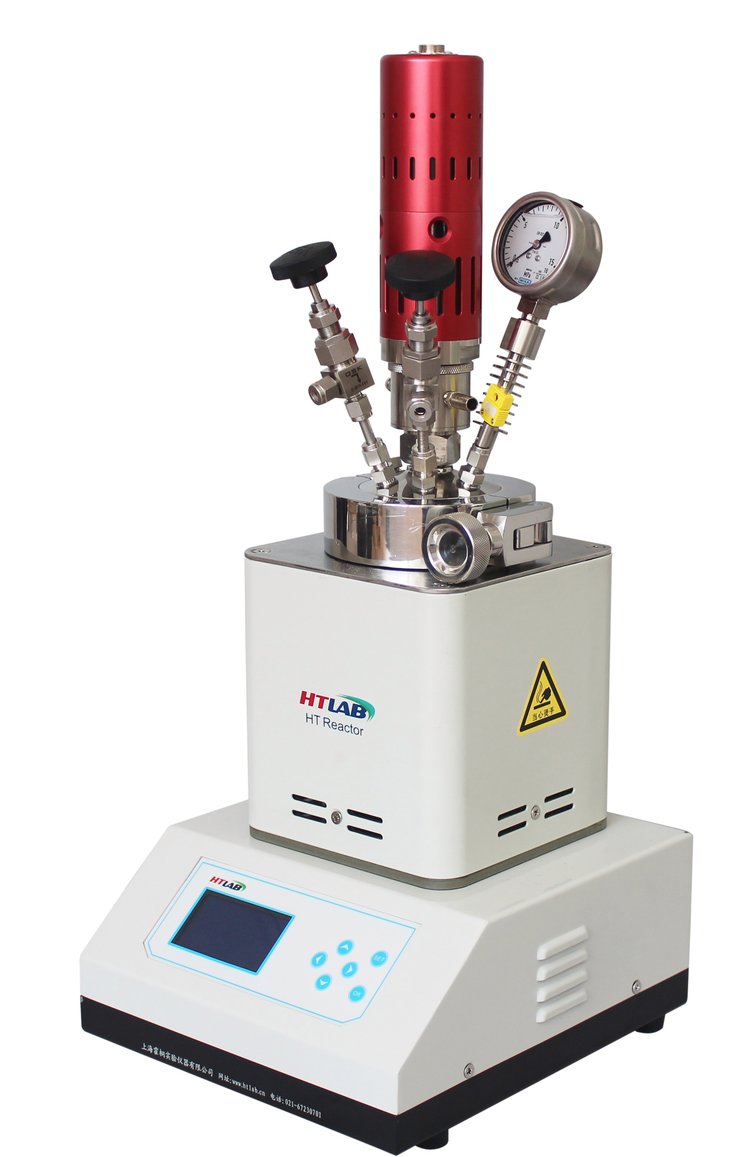
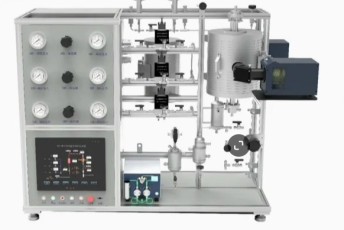
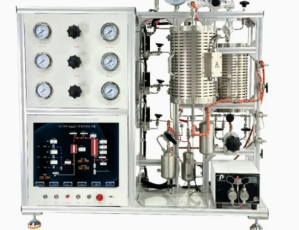
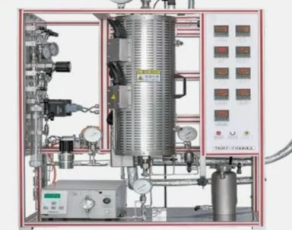
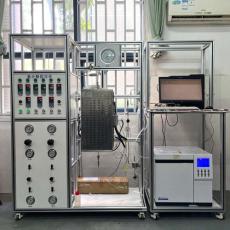
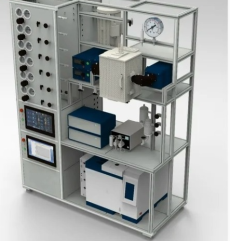
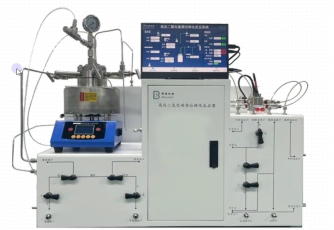
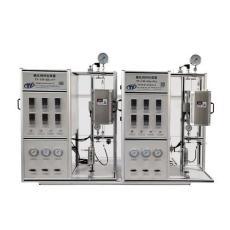
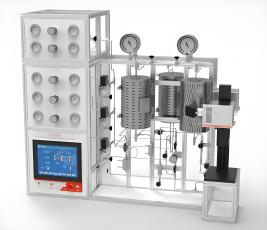
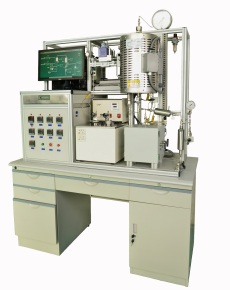
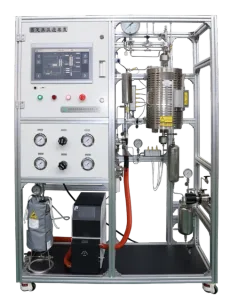
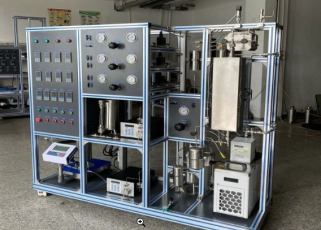
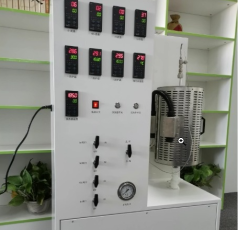
This equipment breaks through the efficiency bottleneck of traditional single-station catalytic evaluation devices, supporting 16 or 24 parallel reactions running simultaneously. Each reaction station independently controls temperature and pressure, avoiding cross-contamination between groups. It adopts infrared rapid heating technology, which can achieve a heating rate of 10℃/min, significantly shortening the waiting time for reaction heating. It is equipped with high-precision micro liquid feed pump and gas mass flow controller, which can achieve accurate material ratio control. Each reaction station is independently equipped with a sampling interface, supporting real-time sampling analysis. The equipment adopts modular design, which can flexibly adjust the number of reaction stations and feed channel specifications according to R&D needs. The supporting automatic control system can realize fully automatic operation of the experimental process, and no manual duty is required to complete parameter setting and data collection of multiple parallel experiments.
The overall size of the machine is 1800mm×1200mm×1900mm, with a net weight of about 450kg, and is equipped with 16 sets of reaction stations, which can be upgraded to 24 sets. The volume of a single reactor is 10mL, adopting quick-open sealing design, which can quickly replace catalyst samples. The power supply parameter is AC380V 50Hz, with a maximum power of 8kW. The feeding system is equipped with 2 sets of gas feed and 2 sets of liquid feed, which can be expanded to 6 sets of multi-component feed. The equipment is equipped with independent data acquisition modules, and the temperature and pressure data acquisition frequency of each reaction station can reach 20Hz. The supporting professional data analysis software can automatically compare multiple sets of experimental results, generate parallelity analysis reports, and support cloud synchronization of data storage.
It is mainly applicable to high-throughput screening of catalytic materials, optimization of multi-component catalytic reaction systems, rapid verification of catalyst formulas and other R&D scenarios. Typical use scenarios include: screening of lithium battery cathode catalytic materials, optimization of hydrogenation catalytic reaction formulas, batch performance testing of environmental protection catalytic materials, and rapid development of catalytic synthesis processes for pharmaceutical companies. It can effectively help the research team reduce the time cost of a single experiment, improve the project advancement speed of catalytic R&D, and adapt to the high-throughput catalytic R&D needs of university research institutes and new material enterprises.







 Post RFQ


 Chat
Chat


 ALL CATEGORIES