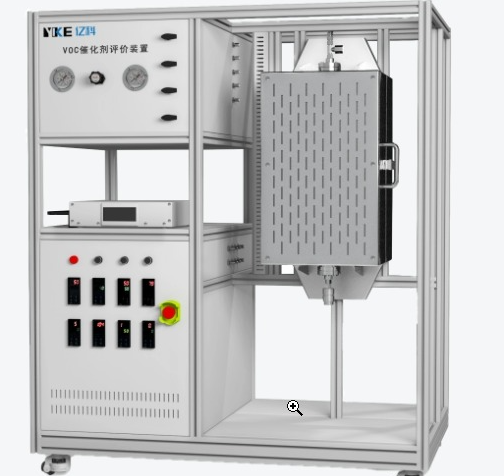
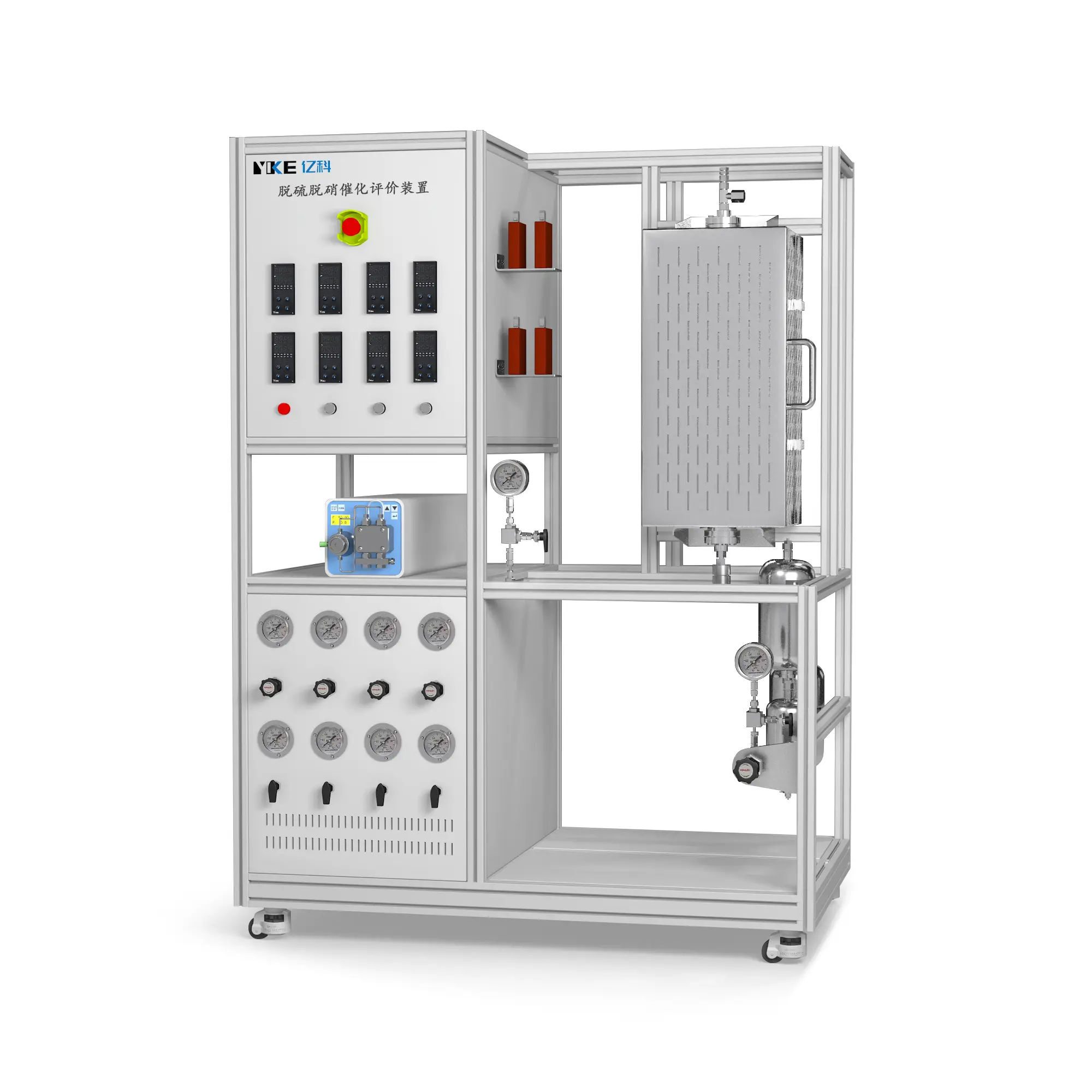


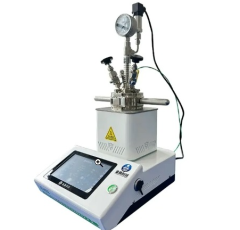
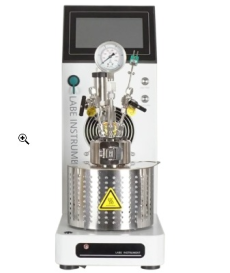
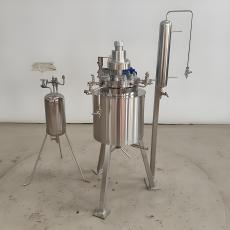
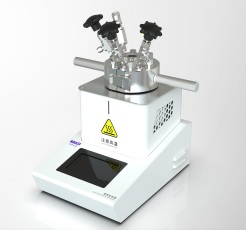

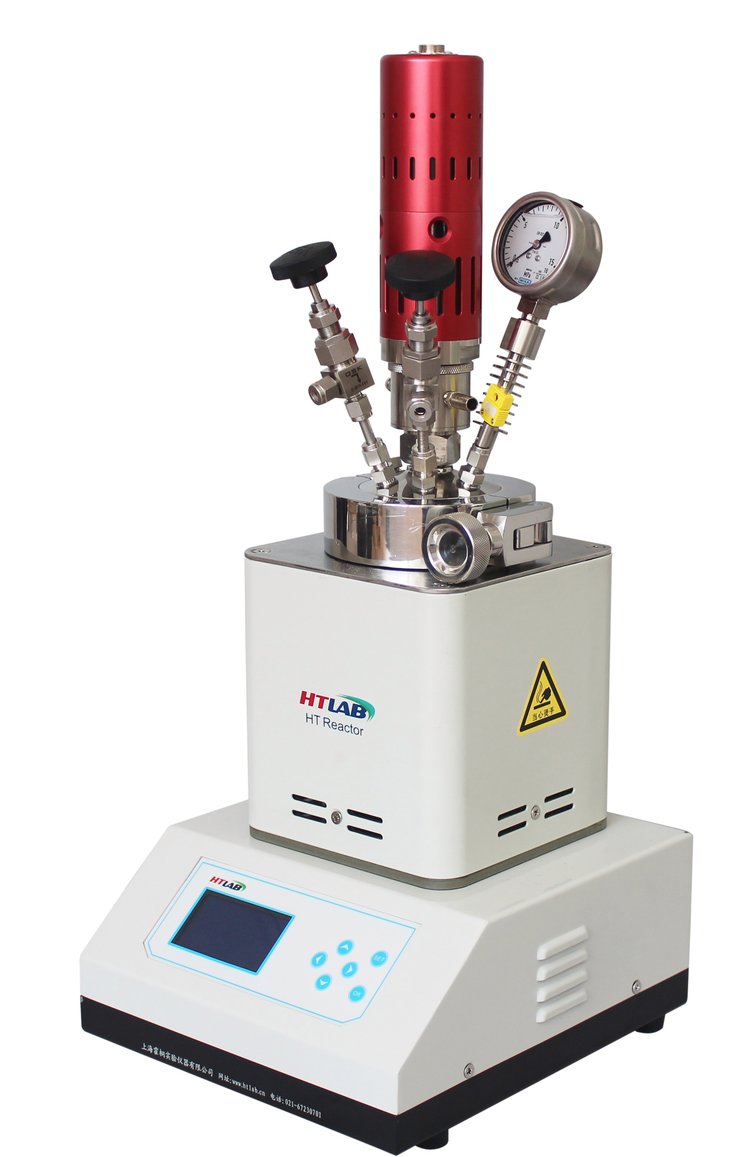
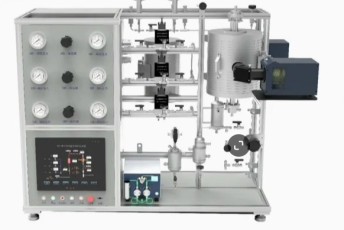
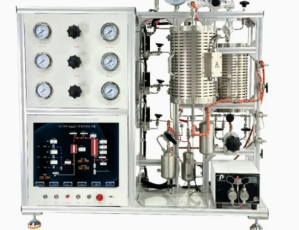
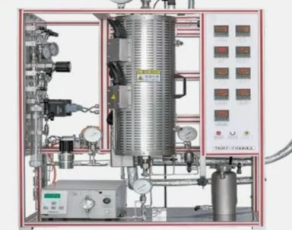
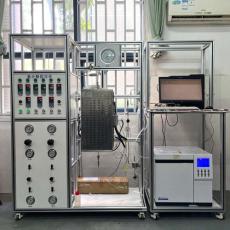
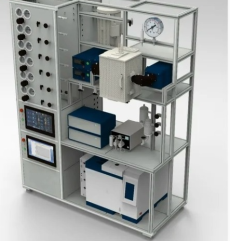
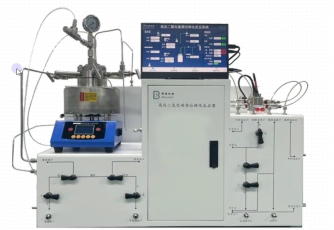
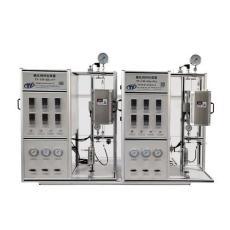
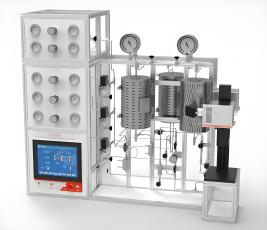
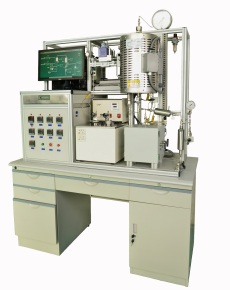
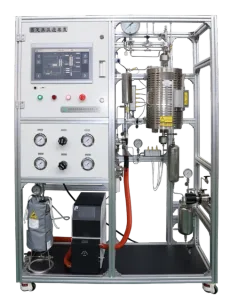
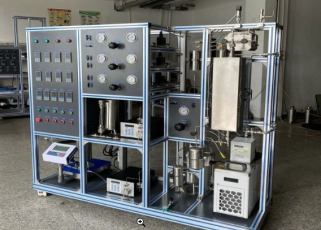
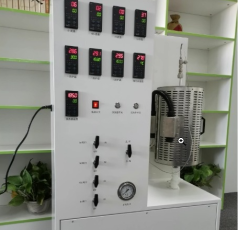
This device adopts a 48-hole parallel reaction design, which can test 48 sets of catalyst samples with different formulas at the same time, and the testing efficiency is more than 20 times that of traditional laboratory devices. The AI-assisted control system can automatically adjust the temperature, pressure and feeding flow rate according to the real-time reaction data to optimize the testing parameters, solving the pain point that traditional high-throughput devices rely on manual parameter setting. The 96-channel data acquisition system can simultaneously collect reaction data of each hole, achieving accurate performance comparison. The modular feeding system can independently control the feeding flow rate of each hole, supporting parallel testing of different reaction conditions. The supporting professional high-throughput data analysis software can automatically compare the performance data of multiple sets of samples and generate visual performance reports, helping researchers quickly screen the optimal catalyst formula.
The overall size of the system is 1800mm (length) × 1200mm (width) × 2000mm (height), with a net weight of about 850kg. The inner diameter of each reaction tank is 12mm, with a depth of 50mm, adapting to catalyst loading of 0.1-10mL. The heating system adopts independent micro heating tubes, with a temperature control accuracy of ±0.2°C per hole and a heating rate of up to 15°C/min. The pressure control system adopts micro solenoid valves to independently control the pressure of each hole, with a pressure adjustment accuracy of ±0.005 MPa. The power supply specification is 220V 50/60Hz, with a maximum power of 15kW. The supporting automatic sampling and sample recovery system can automatically complete the loading, reaction and recovery of samples without manual operation.
It is mainly suitable for large-scale formula screening of catalyst production enterprises, as well as high-throughput catalytic reaction research of scientific research institutions. Typical usage scenarios include: screening the optimal hydrodesulfurization catalyst formula, testing the activity and stability of multiple noble metal catalysts, and developing new carbon dioxide reduction catalysts. It can complete the testing of hundreds of catalyst samples in a short time, greatly improving the efficiency of catalyst R&D, reducing R&D costs and accelerating the commercialization of catalytic new materials.







 Post RFQ


 Chat
Chat


 ALL CATEGORIES