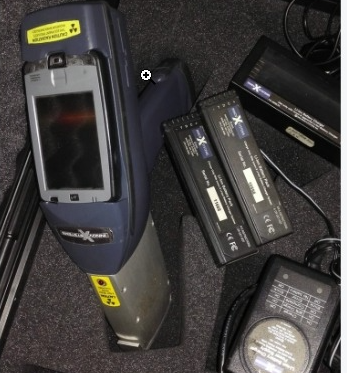
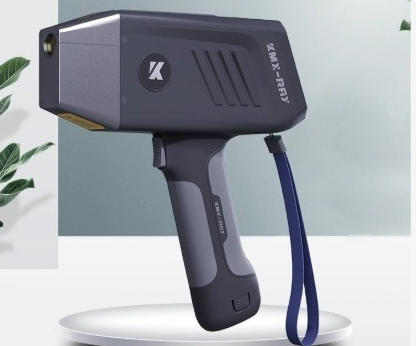


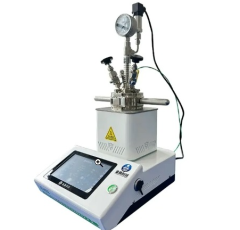
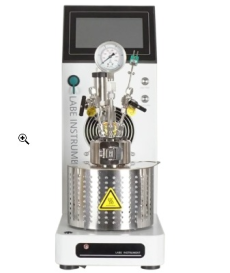
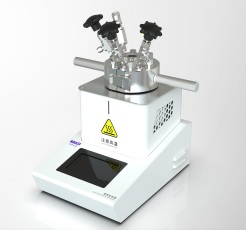

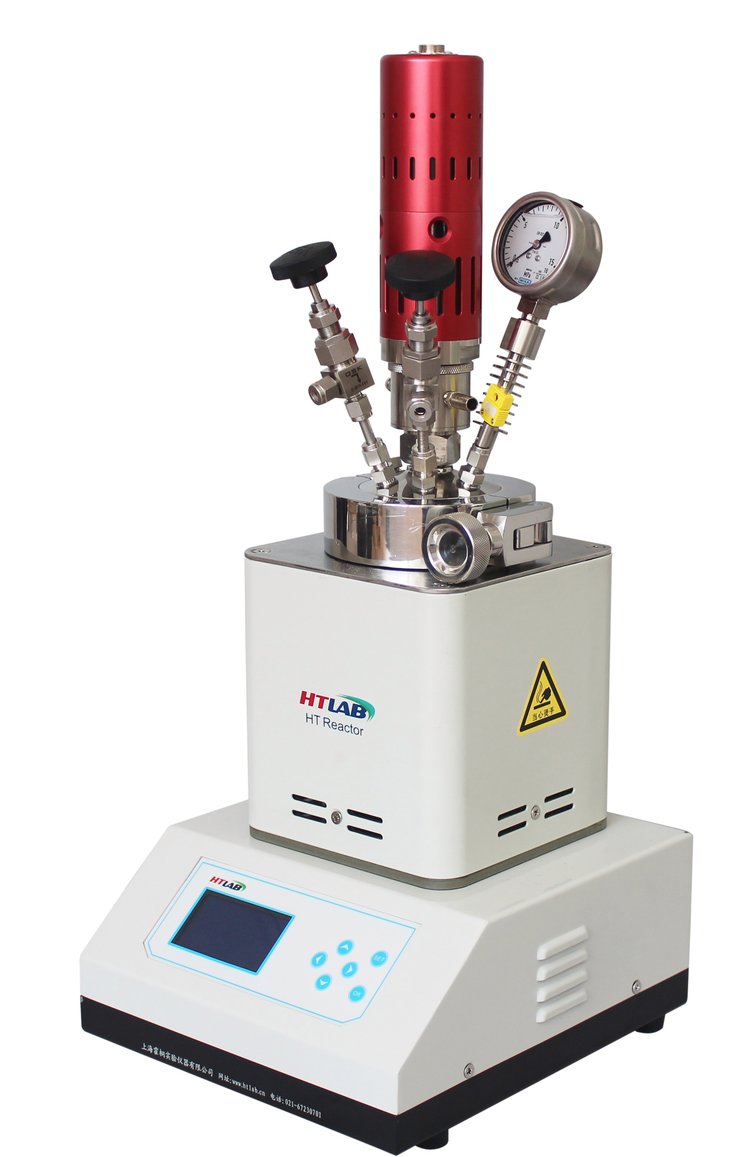
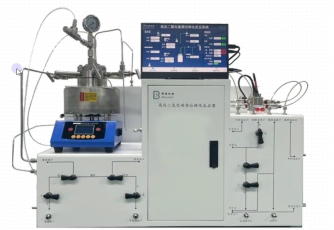
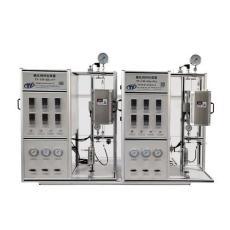
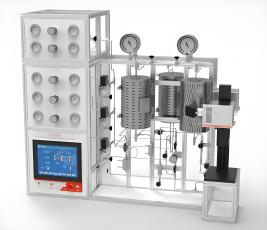
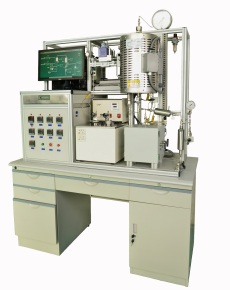
This device adopts thermal conductivity and spectrometry combined detection technology, which can complete the activity detection of a single sample within 3-5 minutes, with a detection accuracy of ±2%. It is equipped with a 5000mAh rechargeable lithium battery, supporting 8 hours of continuous use to meet the needs of all-day on-site detection. The aluminum alloy housing has dust and water resistance (IP65), adapting to harsh field operation environments. It can synchronize detection data to mobile phones or computers via Bluetooth, and automatically generate detection reports, facilitating subsequent data sorting and analysis. Its fool-proof operation interface does not require professional training to use, solving the pain point of complicated operation of traditional professional equipment, and it is also equipped with a quick-change sample cell to adapt to the detection of different types of catalyst samples.
The overall size of the tester is 220mm (length) × 100mm (width) × 180mm (height), with a net weight of 1.2kg. The volume of the detection sample cell is 5mL, adapting to powder and granular catalyst samples. The detection range covers 0.1% to 100% of catalyst activity, and can detect the activity indicators of most common catalytic reactions. The display screen is a 3.5-inch color touch screen with a resolution of 320×480. The charging interface is Type-C, and the charging time is about 2 hours. It supports the detection of common catalytic reactions such as oxidation, hydrogenation and reforming, and can match the corresponding detection parameters through the built-in database.
It is mainly suitable for daily inspection and emergency detection of catalysts in chemical plants, oil refineries and new energy power stations, as well as factory quality inspection of catalyst production enterprises. Typical usage scenarios include: quickly detecting the activity of automobile exhaust purification catalysts, evaluating the deactivation degree of hydrotreating catalysts in oil refineries, and detecting the performance of desulfurization catalysts in mine environmental protection equipment. It can quickly troubleshoot catalyst failure problems at the production site, avoiding production stagnation or environmental pollution caused by catalyst deactivation, and greatly shortening the fault troubleshooting time.







 Post RFQ


 Chat
Chat


 ALL CATEGORIES