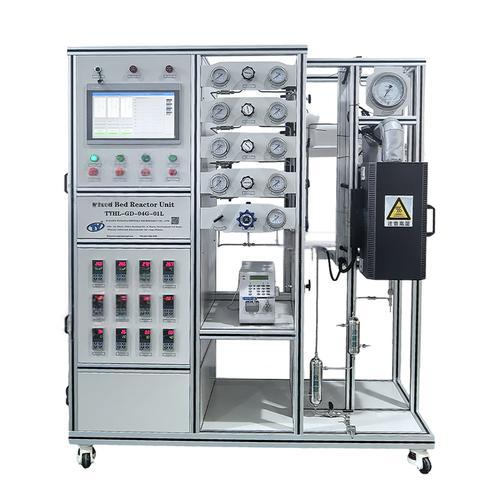
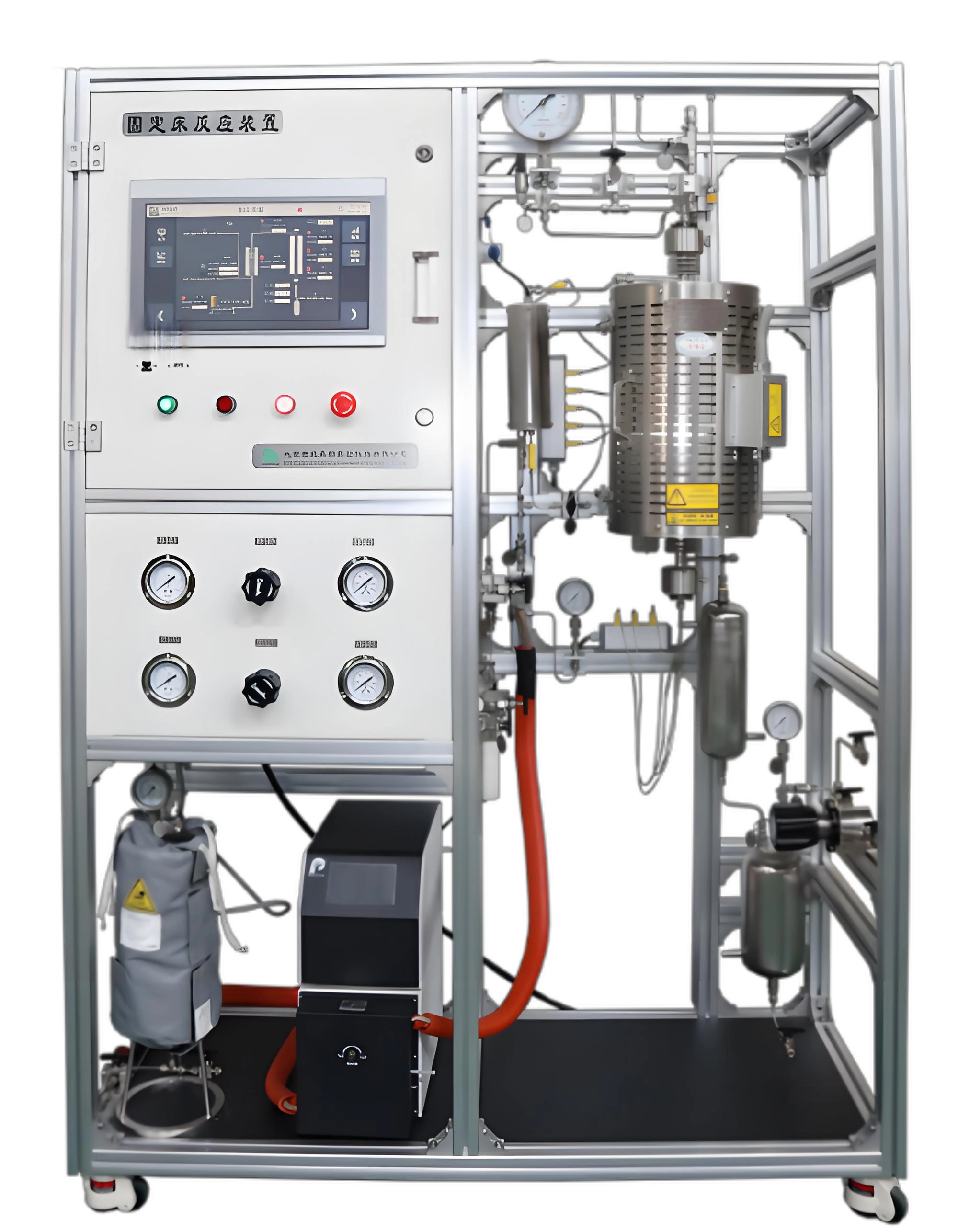


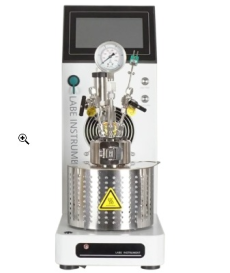
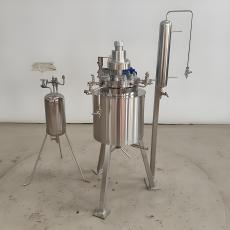
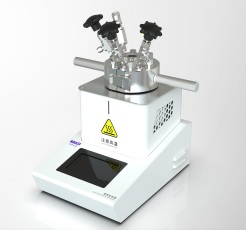
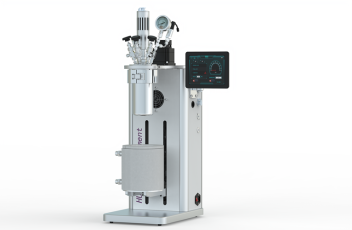

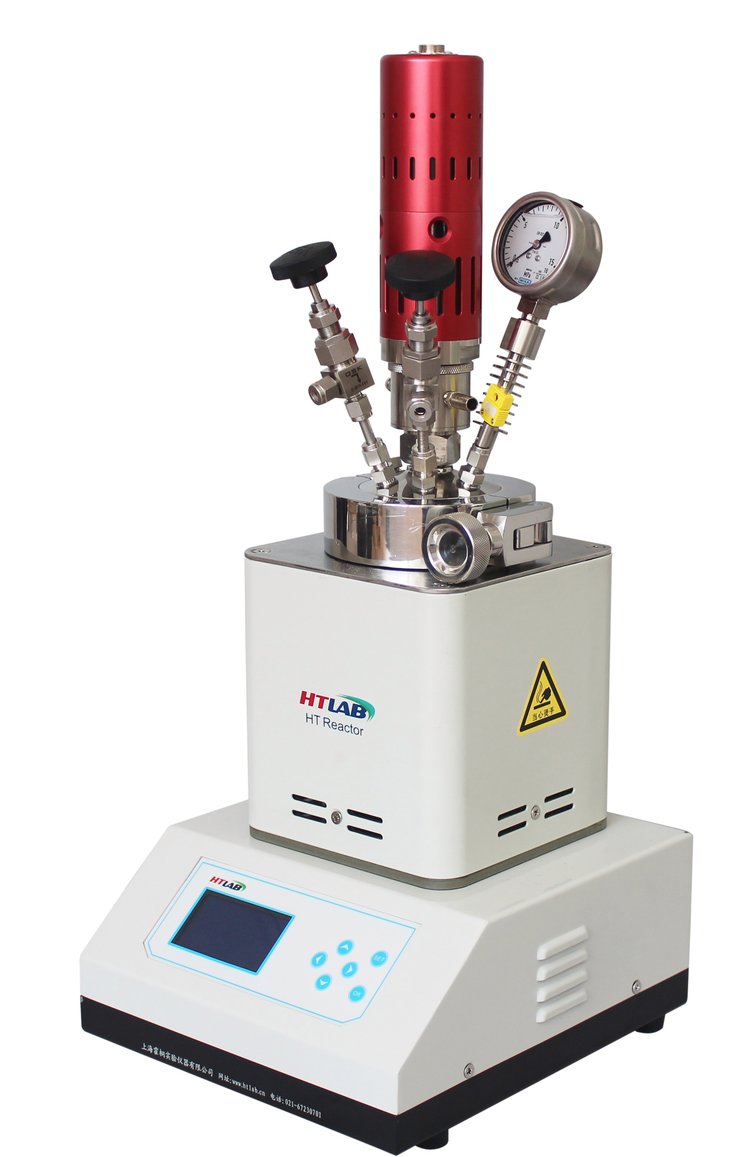
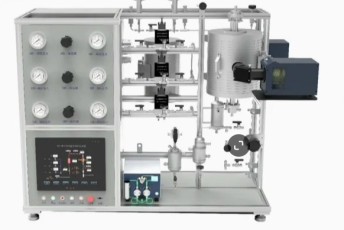
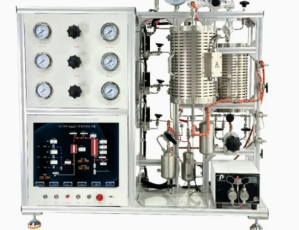
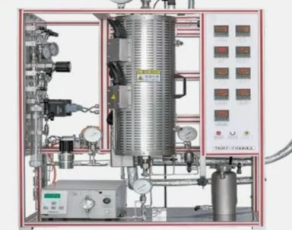
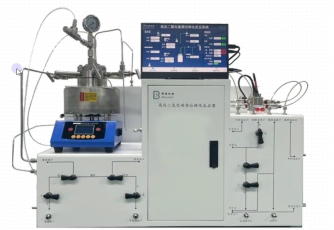
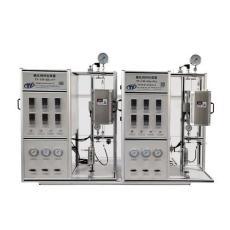
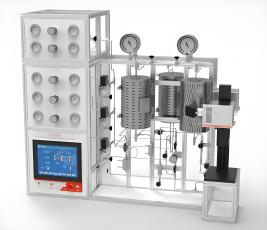
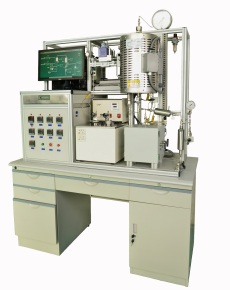
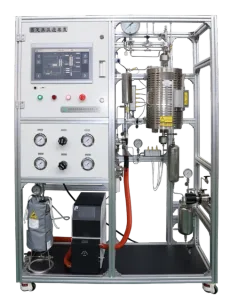
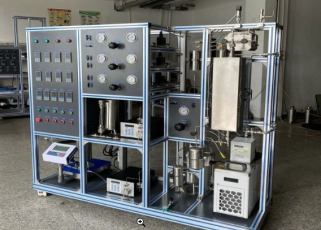
The core advantage of this device lies in precise parameter control and stable reaction environment. It adopts PLC touch screen to realize full-process automated control, and can monitor key indicators such as reaction temperature, pressure and flow rate in real time. The 316L stainless steel material has strong corrosion resistance, adapting to most industrial catalytic reaction fluids. The 16-channel data acquisition system can synchronously record multiple sets of reaction data, reducing manual errors. Its modular feeding system supports flexible switching between gas and liquid feeding modes, solving the pain point of poor adaptability of traditional devices. It is also equipped with safety interlock devices to effectively avoid safety risks of high-temperature and high-pressure reactions.
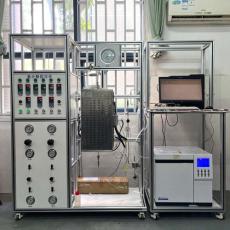
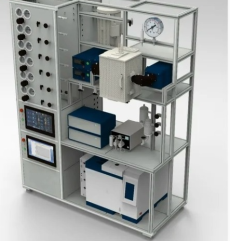
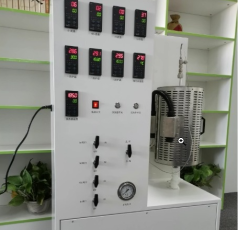
The overall size of the unit is 1200mm (length) × 800mm (width) × 1600mm (height), with a net weight of about 280kg. The heating system adopts tubular furnace heating, with a heating rate of up to 10°C/min and a temperature control accuracy of ±0.5°C. The pressure control system adopts high-precision pressure reducing valve and pressure relief valve, with a pressure adjustment accuracy of ±0.01 MPa. The catalyst loading area adopts a detachable reaction tube, with inner diameters of 10mm/20mm/30mm optional, adapting to different loading requirements. The power supply specification is 220V 50/60Hz, with a maximum power of 8kW. The supporting data acquisition software can automatically generate reaction curves and performance reports, supporting data export and cloud storage.
It is mainly suitable for catalytic research projects of chemical and materials majors in colleges and universities, as well as initial catalyst R&D and formula screening of small and medium-sized chemical enterprises. Typical usage scenarios include: evaluating the activity of hydrodesulfurization catalysts, studying the stability of noble metal catalysts in oxidation reactions, and testing the performance of bio-based catalysts in methanol reforming reactions. It can also be used for teaching demonstrations to help students understand the basic principles and evaluation methods of fixed bed catalytic reactions.







 Post RFQ


 Chat
Chat


 ALL CATEGORIES