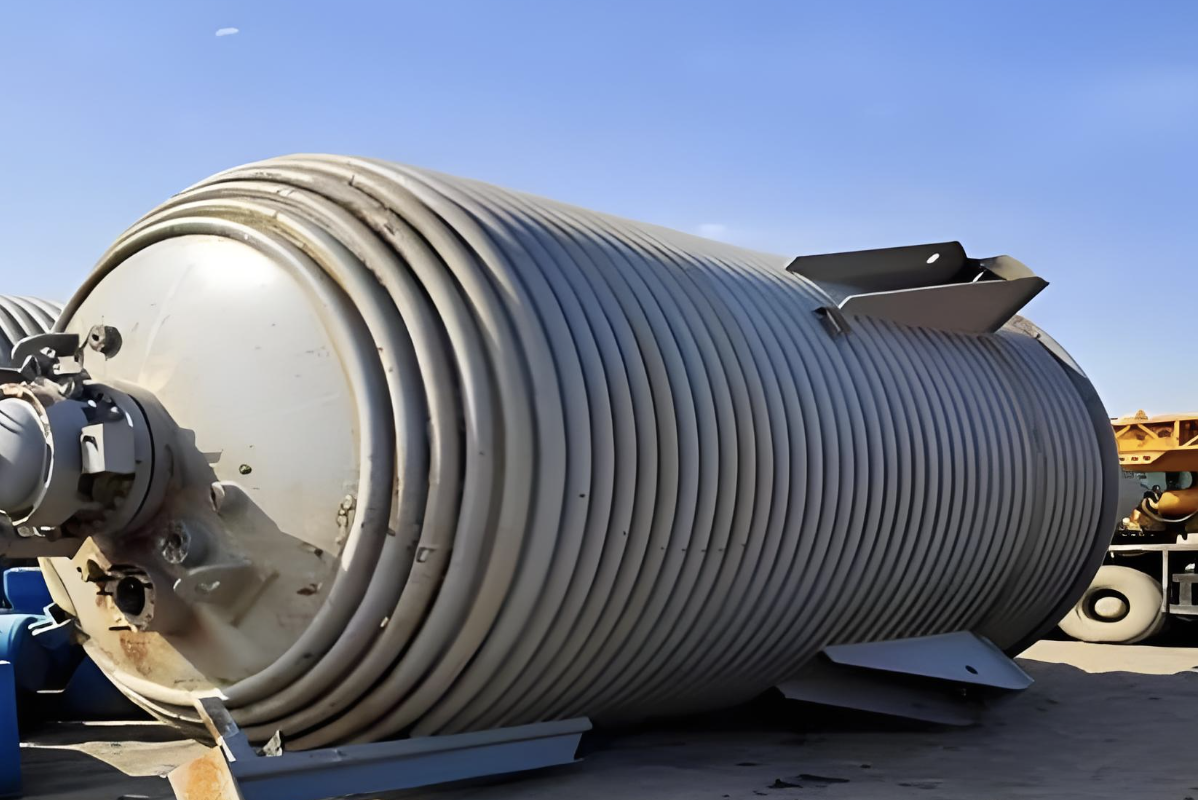
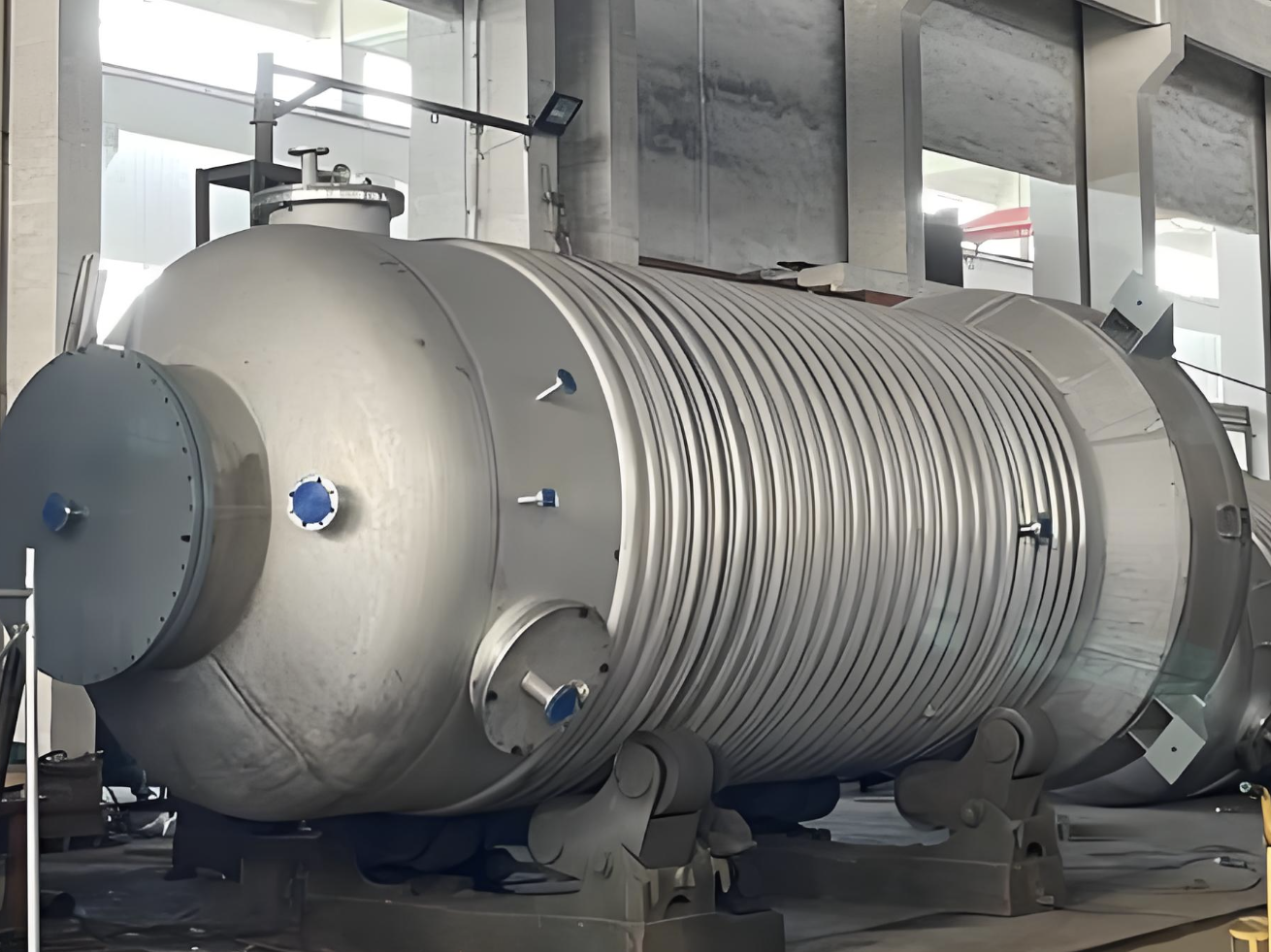





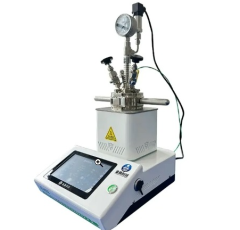
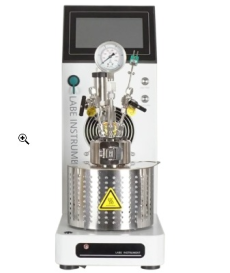
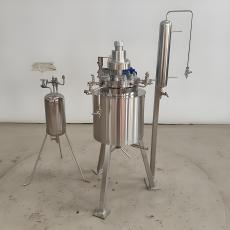
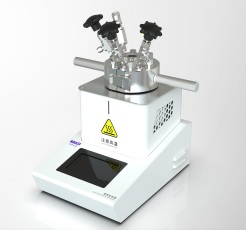

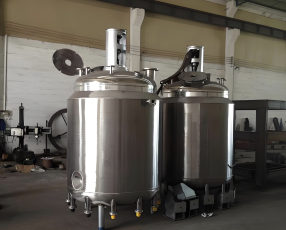
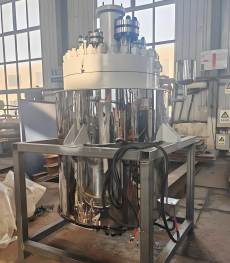
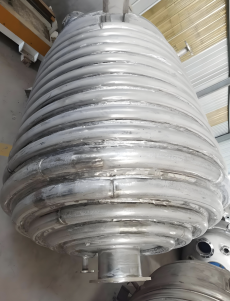
Its core advantage lies in the continuous production capacity and intelligent control system. The large-volume design and continuous feeding and discharge system enable uninterrupted large-scale production, greatly improving production efficiency compared with batch reactors. The thermal oil circulation heating system and internal coil cooling system provide uniform and stable temperature control, ensuring consistent reaction conditions throughout the continuous production process. The multi-stage mechanical seal system effectively prevents material leakage, ensuring stable operation under high pressure and high temperature. The smart DCS centralized control system can realize real-time monitoring of temperature, pressure, stirring speed, material viscosity and other parameters, and automatically adjust the process parameters to maintain stable production conditions. It also has a fault self-diagnosis function, which can quickly locate and handle faults, reducing downtime and improving production efficiency.
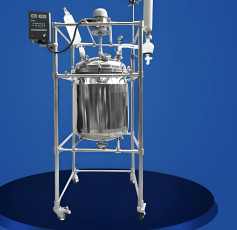
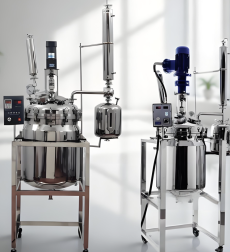
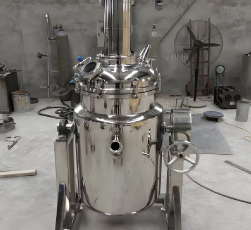
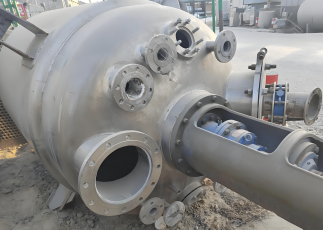
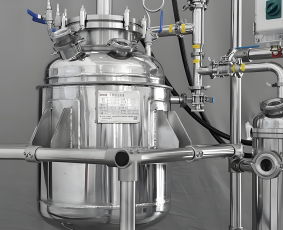
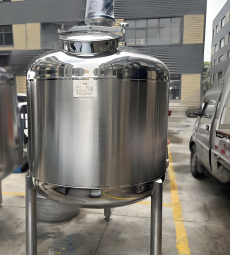
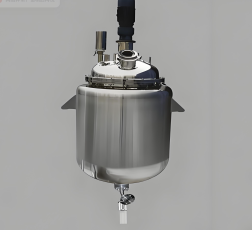
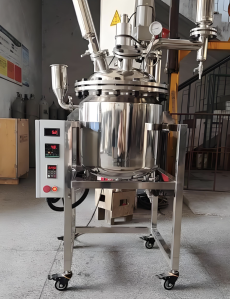
With a total volume of 10000 liters, this reactor features a design pressure range of 0.8 to 1.6 MPa and a design temperature range of -10℃ to 250℃. It has a stirring power ranging from 15 to 30 kW, adopts thermal oil circulation heating and internal coil cooling, and has an inner wall roughness of Ra ≤ 1.6μm. It is equipped with multi-stage mechanical seals, a complete stirring device with reducer, a smart DCS centralized control cabinet with online monitoring system, and a continuous feeding and discharge system. Standard accessories include manhole, sight glass, pressure gauge, safety valve and online viscosity monitor. The overall dimensions are approximately 15000mm (length) × 8000mm (width) × 12000mm (height), with a net weight of about 45,000 kg. Custom modifications such as specific polymerization catalyst feeding devices are available on demand.
This reactor is mainly suitable for large-scale continuous production in the chemical polymer industry, such as continuous polymerization, synthesis and other processes of plastics, resins and other polymer materials. It is ideal for high-efficiency large-scale continuous production, and can meet the production needs of the polymer industry. It can be customized according to user's specific process requirements, such as adding specific catalyst feeding devices or online quality monitoring systems. It can also be used for other large-scale continuous production processes in the chemical industry, such as continuous synthesis and extraction of chemical products.







 Post RFQ


 Chat
Chat


 ALL CATEGORIES