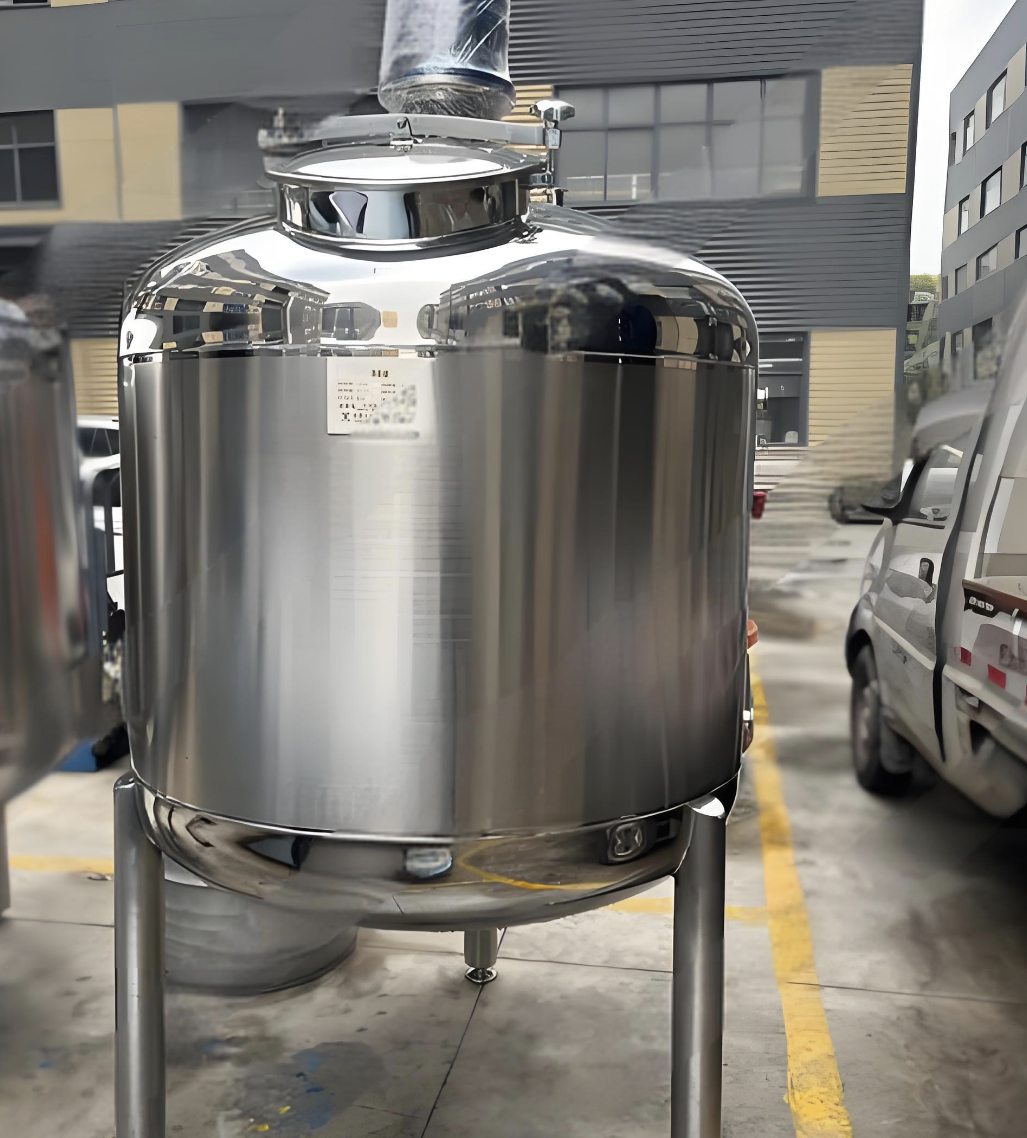
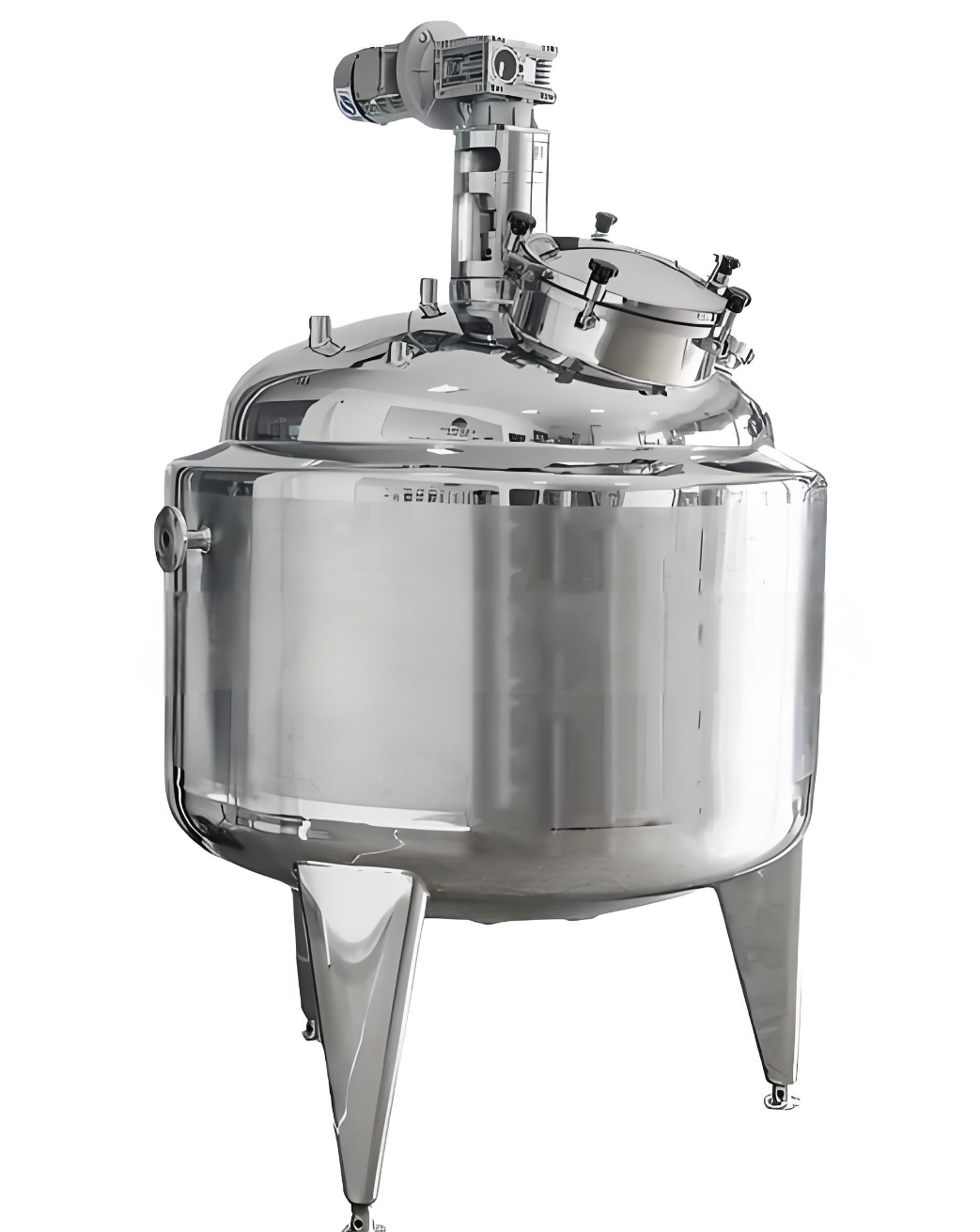





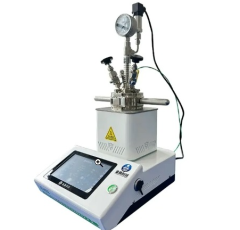
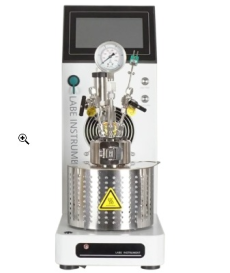
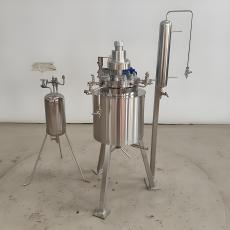
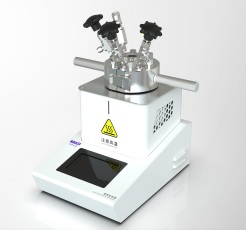

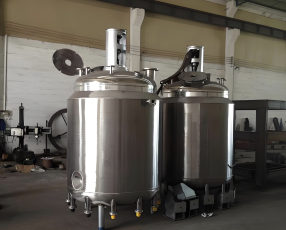
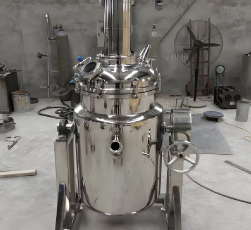
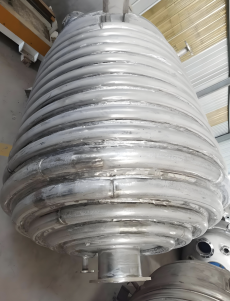
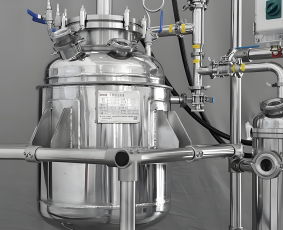
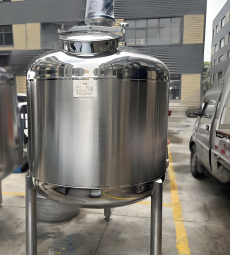
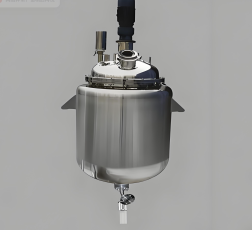
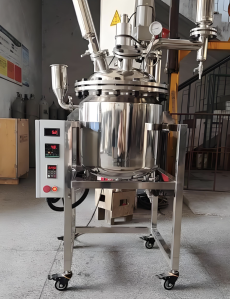
The full mirror polishing treatment of the inner wall (Ra≤0.8μm) meets strict hygienic standards, making cleaning and disinfection very convenient, and helping to avoid the residue of materials. The steam heating system can provide rapid heating, and the jacket cooling system can quickly reduce the temperature to meet the needs of different production stages such as batching, emulsification and fermentation. The hygienic mechanical seal helps ensure that there is no leakage of materials and no external pollution during the production process. It is also equipped with a CIP cleaning interface, which can realize automatic cleaning of the equipment without disassembly, greatly reducing the time and labor cost of cleaning. The equipment meets FDA and GMP hygienic standards, and can provide complete production certification documents for users.
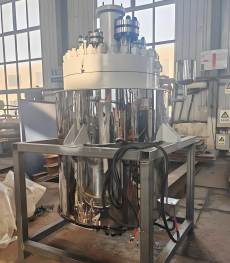
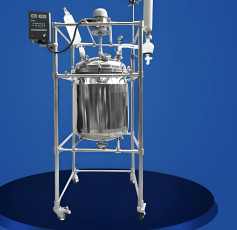
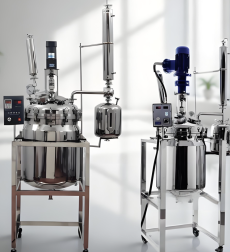
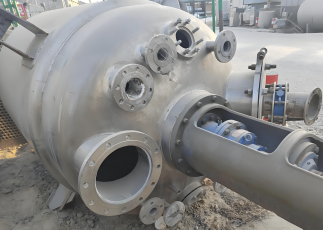
Taking the 1000L model as an example, the overall dimensions are 2200mm in diameter and 4000mm in height, with a net weight of 4500kg. The design pressure is 0.1-0.8 MPa, and the design temperature ranges from 0℃ to 150℃. The stirring power ranges from 0.75kW to 11kW, with adjustable stirring speed from 0 to 200 rpm. The heating method adopts steam heating jacket, and the cooling method uses jacket cooling. The sealed system adopts hygienic mechanical seal, and is equipped with a CIP cleaning interface for automatic cleaning. The equipment is equipped with a dedicated control panel that can adjust temperature, pressure and stirring speed, and supports data recording and export functions to meet the traceability requirements of food and pharmaceutical production.
It is suitable for syrup preparation, fermentation and batching in the food and beverage industry, emulsification, mixing and preparation in the daily chemical and cosmetic industry, and reaction and preparation of pharmaceutical raw materials and intermediates in the pharmaceutical industry. It is especially suitable for production scenarios that require strict hygienic control and frequent replacement of materials, such as small-batch custom production of food and beverages, and pilot production of pharmaceutical products. It can help enterprises meet the national hygienic standards and improve the safety and quality of their products.







 Post RFQ


 Chat
Chat


 ALL CATEGORIES