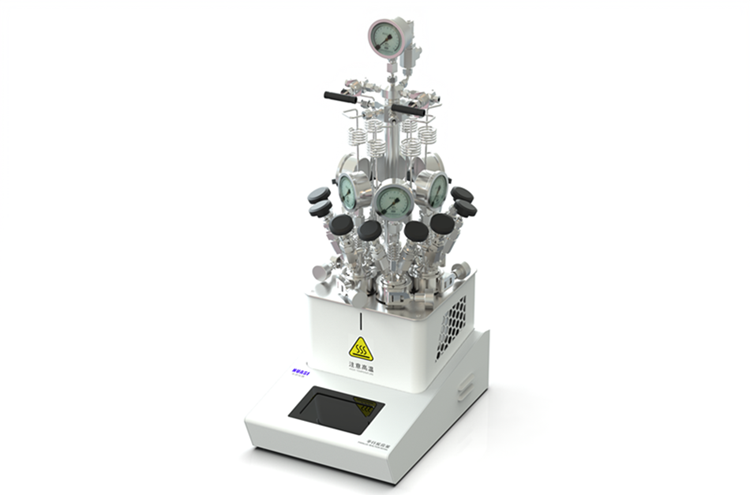
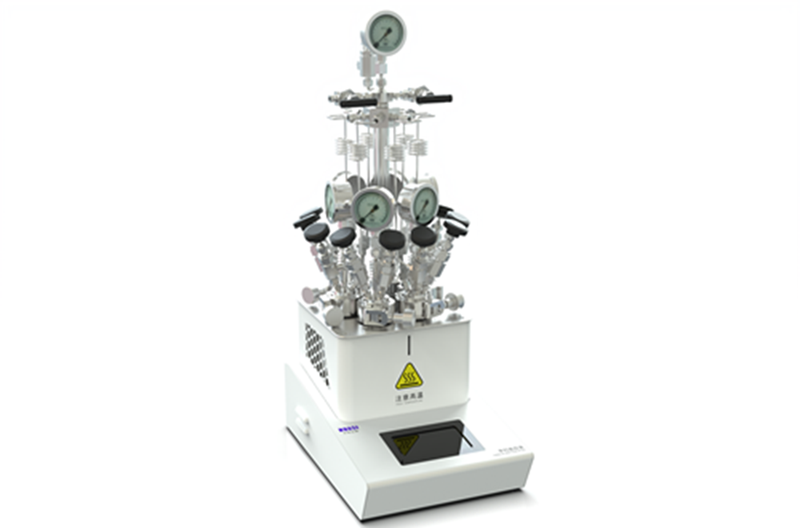


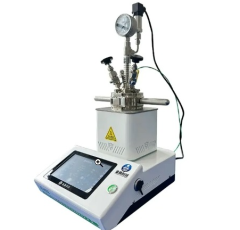
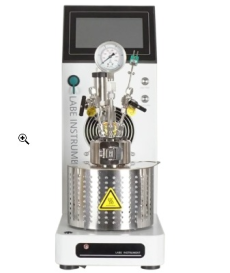
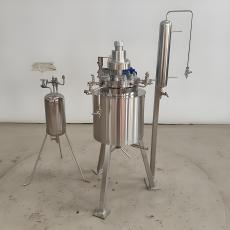
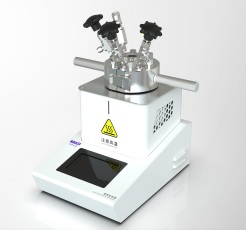

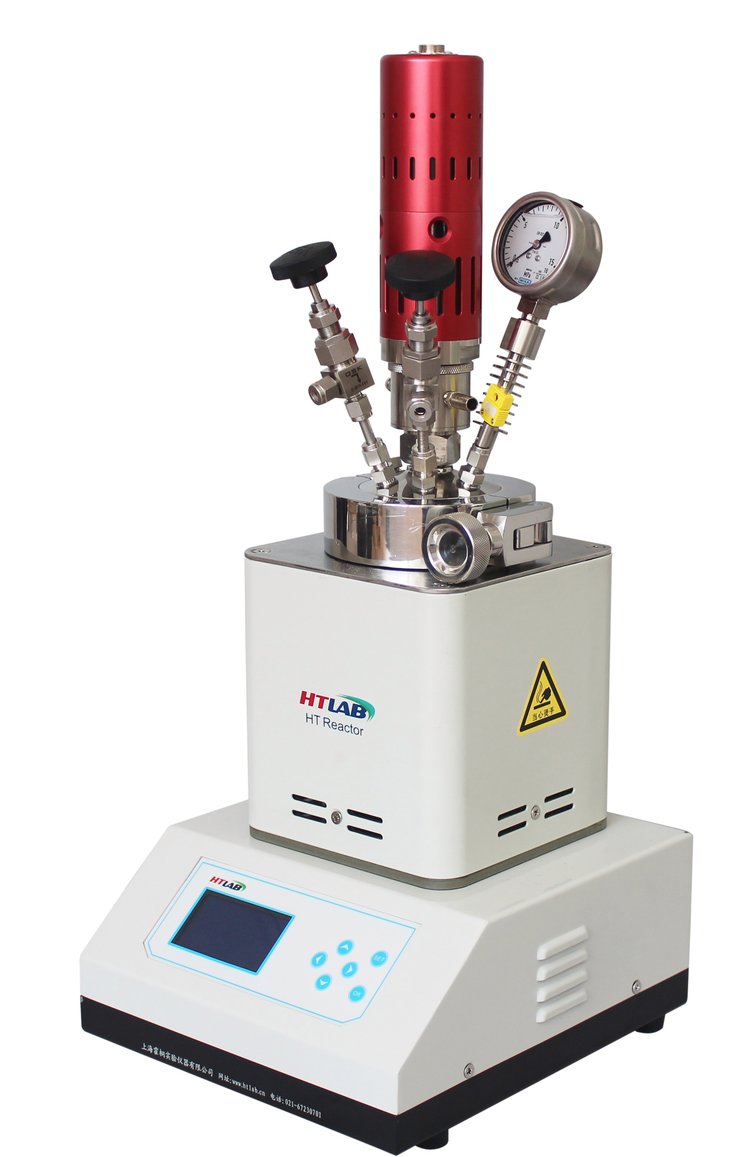
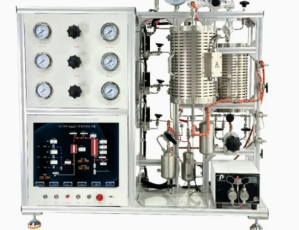
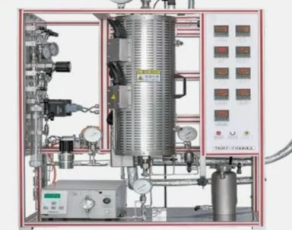
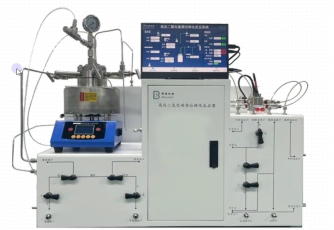
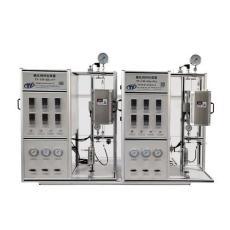
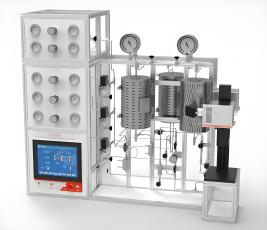
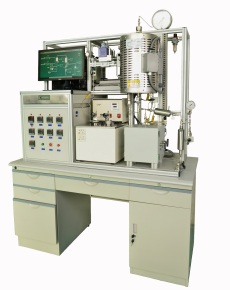
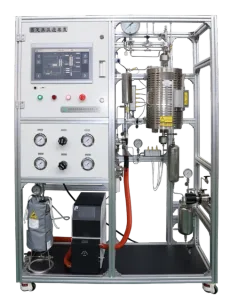
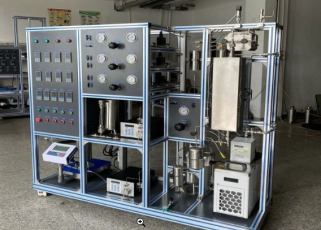
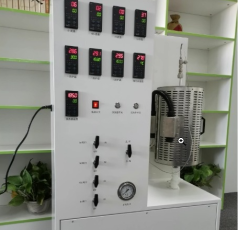
The reactor is its multi-channel parallel design, which can complete 4 groups of parallel experiments at the same time, greatly improving the efficiency of experimental research. Each channel is equipped with an independent magnetic stirring system and temperature control module, avoiding mutual interference between samples and ensuring the accuracy of experimental results. The quick-open cavity design allows users to complete sample loading and cleaning within 30 seconds, reducing the time cost of experimental preparation. The centralized control panel can set different temperature and stirring speed parameters for each channel, adapting to the needs of different experimental schemes. In addition, the equipment adopts a modular design, and the number of channels can be expanded according to experimental needs, providing strong scalability for subsequent experimental research.
Key technical parameters of this multi-channel reactor are as follows: total number of channels of 4, single channel effective volume of 0.2L, maximum operating temperature of 180℃, independent magnetic stirring mode for each channel, stepless adjustable rotation speed range of 0 to 1500rpm, cavity material made of 316L stainless steel, PTFE sealing component, pressure bearing range of atmospheric pressure to 0.3MPa, temperature control accuracy of ±1℃, overall dimensions of 480mm × 360mm × 420mm, total weight of 28kg, powered by 220V 50Hz power supply. Each channel is equipped with an independent digital display screen, supporting real-time monitoring of temperature and stirring speed. The centralized control system can export the experimental data of all channels at the same time, facilitating subsequent data analysis and comparison.
This multi-channel magnetic stirred reactor is mainly applicable to high-throughput small-batch synthesis experiments in university pharmaceutical research, material science and combinatorial chemistry laboratories, such as drug intermediate screening, polymer material formula optimization and other scenarios. It can also be used for rapid performance testing of new materials in R&D centers, helping researchers quickly screen out optimal experimental schemes. In addition, it is very suitable for teaching experiments for graduate students, allowing students to master the skills of parallel experimental design and data analysis. Its compact design also saves a lot of laboratory space, making it suitable for small-scale laboratories.







 Post RFQ


 Chat
Chat


 ALL CATEGORIES