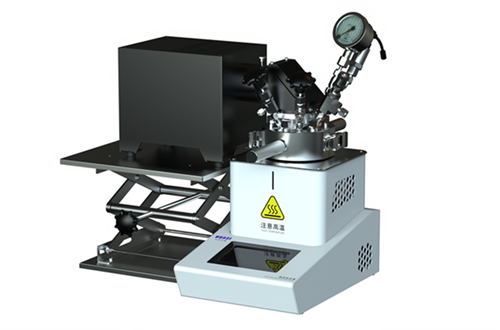
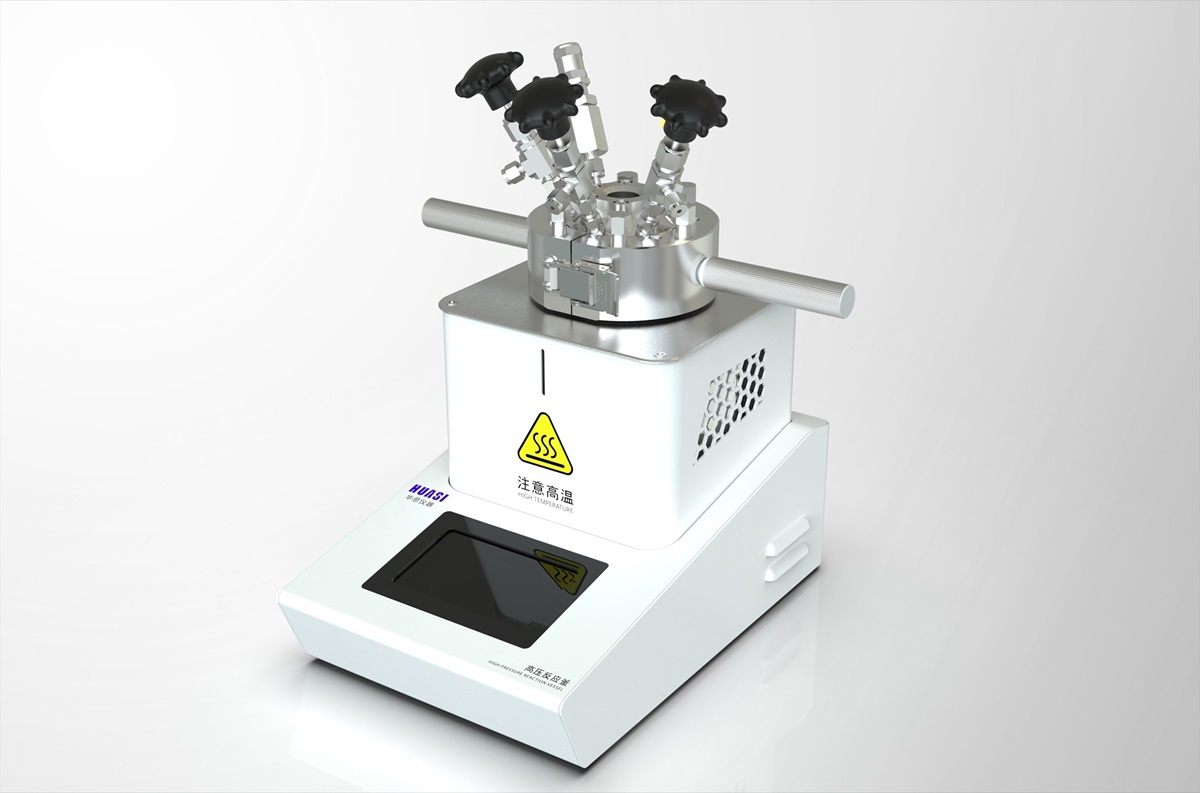


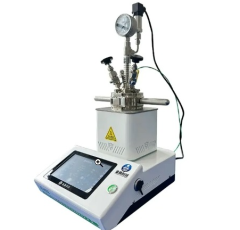
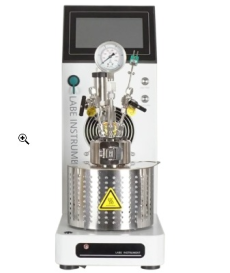
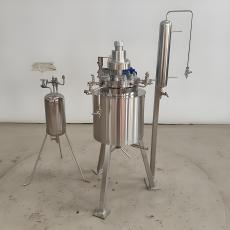
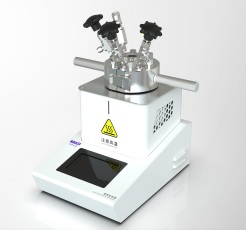

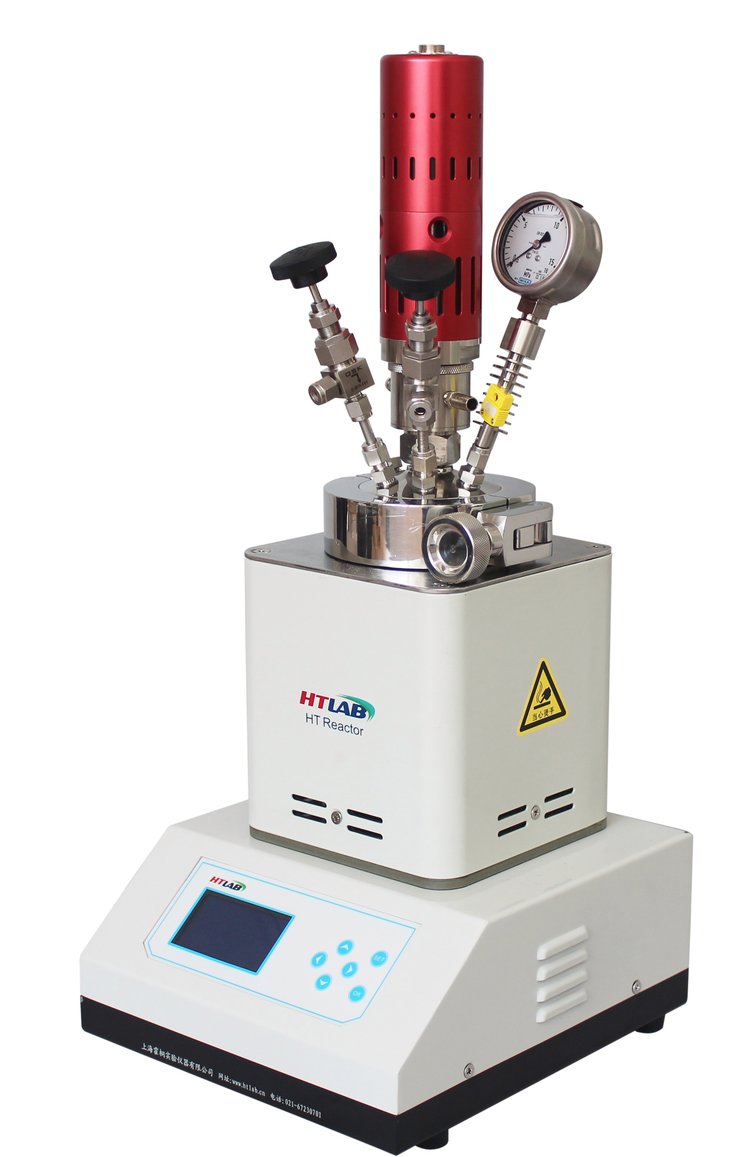
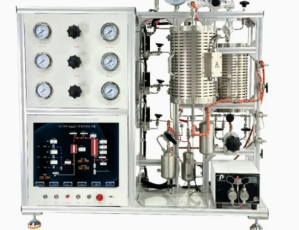
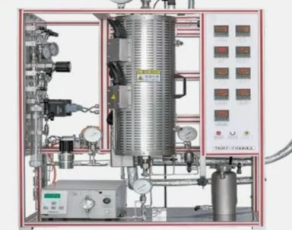
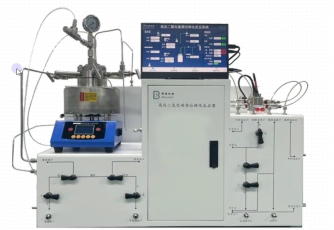
The technical highlight of this reactor is the integrated design of high pressure and photothermal integration, which eliminates the need for external light source equipment and reduces the occupied space of the laboratory. The magnetic coupling stirring design avoids the shaft seal leakage problem of traditional mechanical stirring, ensuring the sealing performance under high pressure conditions. The Hastelloy C276 cavity can resist the corrosion of various strong corrosive media such as hydrochloric acid, sulfuric acid and chlorine gas, expanding the scope of applicable reaction systems. The intelligent control system supports the setting of multiple temperature, pressure and light intensity parameters, and can automatically record the experimental data for subsequent analysis. The over-temperature, over-pressure and over-current protection devices can automatically stop the equipment in case of abnormal conditions, ensuring the safety of experimental operators.
Key technical parameters of this PHAC-1030 reactor are as follows: effective cavity volume of 1L, maximum operating temperature of 250℃, maximum working pressure of 10MPa, magnetic coupling stirring mode, stepless adjustable rotation speed range of 0 to 1800rpm, cavity material made of Hastelloy C276, double-ended mechanical seal structure, built-in 365nm LED photocatalysis light source with stepless adjustable light intensity, temperature control accuracy of ±0.3℃, overall dimensions of 620mm × 480mm × 820mm, total weight of 45kg, powered by 220V 50Hz power supply. The equipment is equipped with a high-precision pressure sensor and temperature sensor, which can monitor the internal parameters in real time with an accuracy of ±0.1%. The matching data analysis software can export experimental data in Excel format, facilitating subsequent experimental analysis and report writing.
This high-pressure photothermal reactor is mainly applicable to photocatalysis synthesis experiments in university environmental science, new energy materials and chemical engineering laboratories, such as photocatalytic water splitting, organic matter degradation, photopolymerization and other scenarios. It can also be used for R&D of new energy materials such as lithium battery cathode materials and solar cell materials, providing reliable experimental data for the development of high-performance materials. In addition, it is suitable for high-pressure corrosion resistance experiments in petrochemical research institutions, helping researchers study the corrosion behavior of materials under high-pressure and corrosive environments.


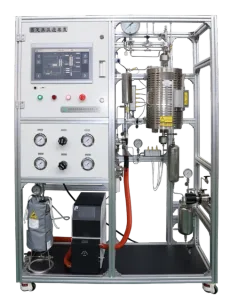
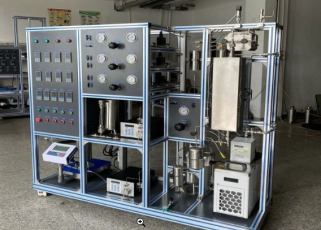
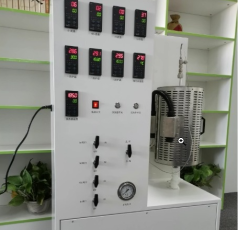





 Post RFQ


 Chat
Chat


 ALL CATEGORIES