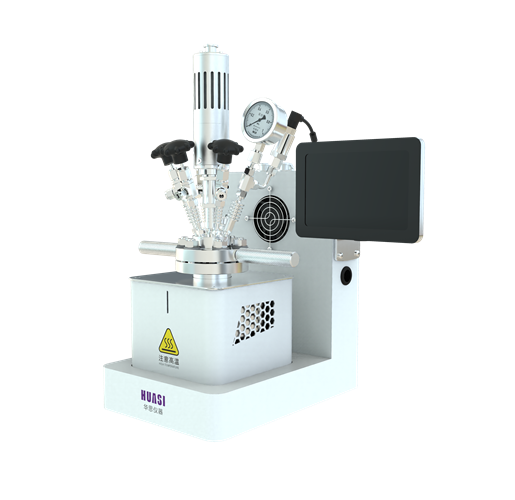
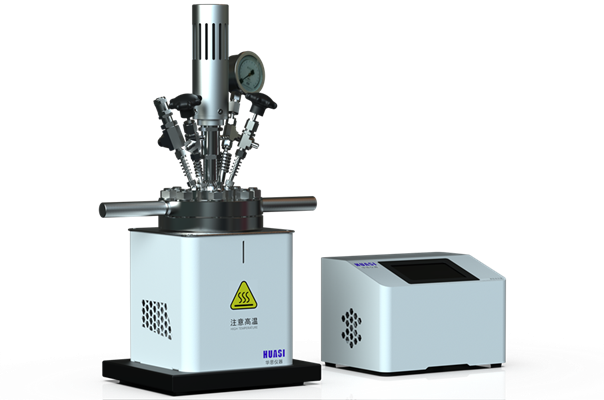


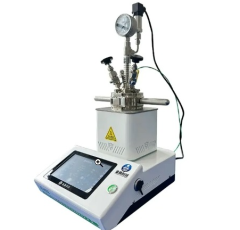
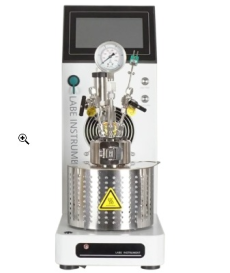
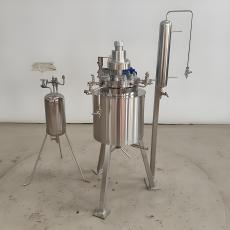
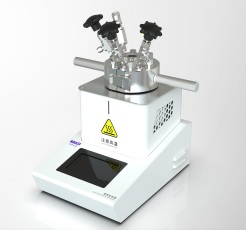

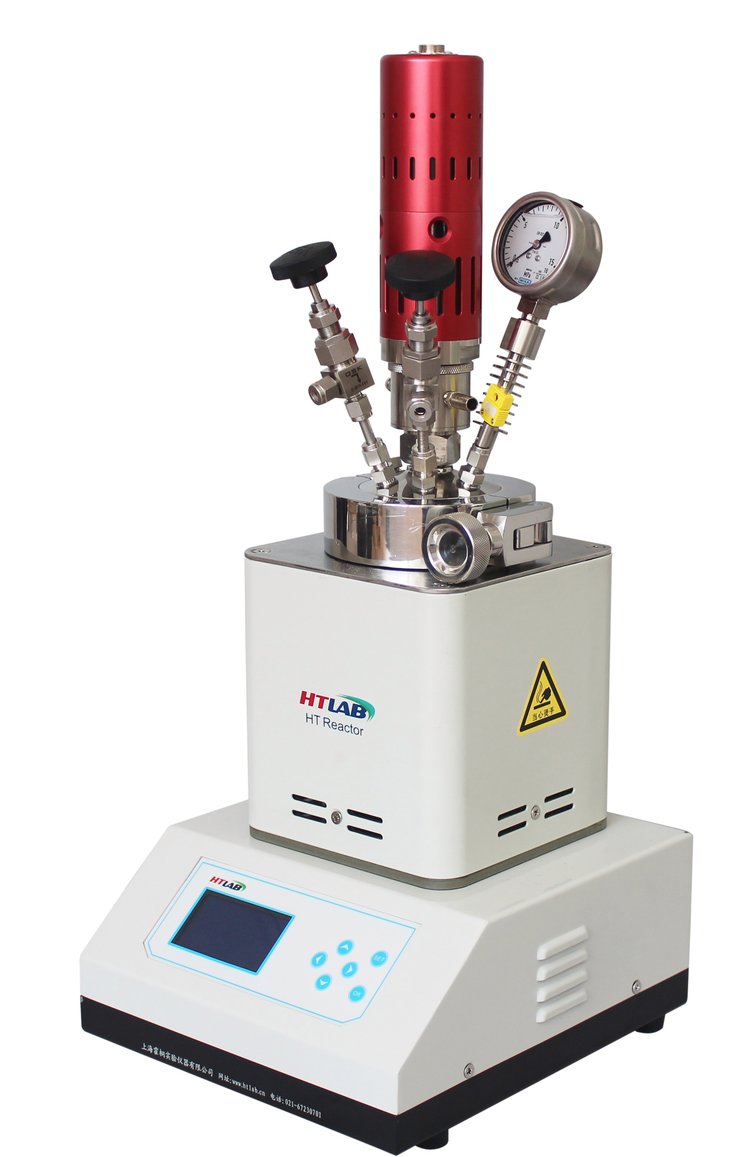
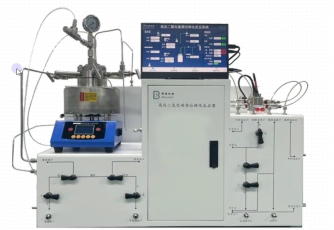
The core advantage of this reactor lies in its high-temperature resistance and stable mechanical stirring performance. Compared with traditional magnetic stirring reactors, its mechanical anchor stirring structure can handle high-viscosity reaction systems such as polymer melts and high-concentration slurries, solving the mixing dead angle problem that plagues many small laboratory reactors. The 300℃ high-temperature resistant cavity made of 316L stainless steel has excellent high-temperature oxidation resistance, extending the service life of the equipment. The modular design of the control system allows users to quickly adjust parameters according to experimental needs, and the over-temperature and over-pressure protection device can automatically cut off the power to ensure experimental safety. It also supports the installation of external condenser and feeding port, expanding the application scenarios of the equipment for reflux and continuous feeding experiments.
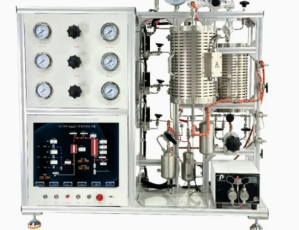
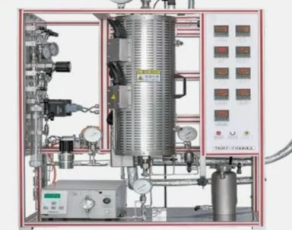
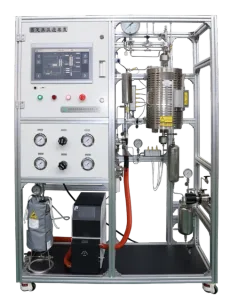
Detailed technical parameters of this HAC-1040H reactor are as follows: effective cavity volume of 2L, maximum operating temperature of 300℃, mechanical anchor stirring mode, stepless adjustable rotation speed range of 0 to 1000rpm, cavity material made of 316L stainless steel, packing seal structure, pressure bearing range of 0.1 to 1MPa, temperature control accuracy of ±0.5℃, overall dimensions of 580mm × 420mm × 760mm, total weight of 38kg, equipped with 220V 50Hz power supply. The control panel adopts a large Chinese-English bilingual touch screen, supporting real-time display of temperature, pressure, stirring speed and other data. The equipment is equipped with a safety valve and pressure gauge, which can monitor the internal pressure of the reactor in real time. The detachable stirring shaft and cavity design make later cleaning and maintenance very convenient, reducing the maintenance cost of the equipment.
This high-temperature mechanical stirred reactor is mainly applicable to medium-scale high-temperature synthesis experiments in university chemical engineering, material science and metallurgy laboratories, such as high-temperature organic polymerization, ceramic powder sintering, metal material melting and other scenarios. It can also be used for material performance testing in industrial R&D centers, helping researchers develop high-temperature resistant materials and special chemical products. In addition, it is suitable for pilot-scale test experiments of small chemical enterprises, providing reliable experimental data for the subsequent construction of large-scale production lines. It can also be used for teaching experiments for graduate students, allowing students to master the operation skills of high-temperature reaction equipment.







 Post RFQ


 Chat
Chat


 ALL CATEGORIES