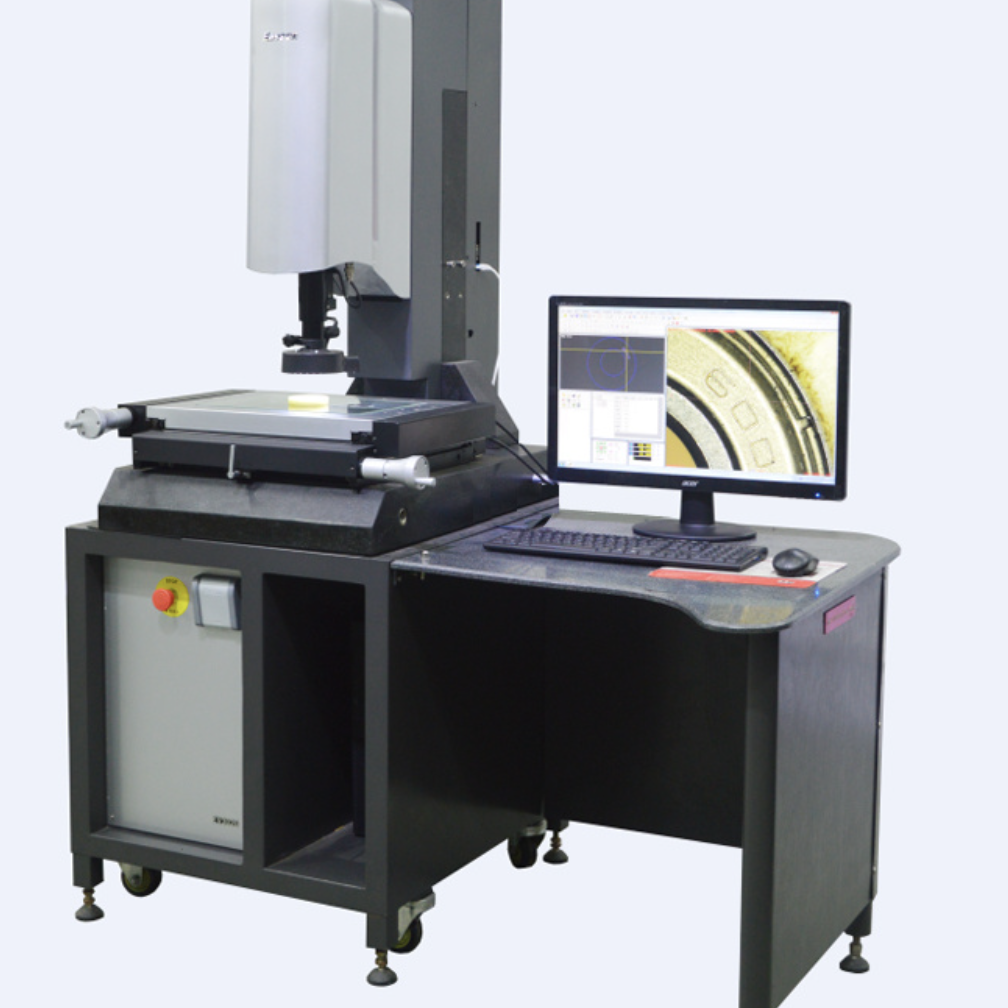





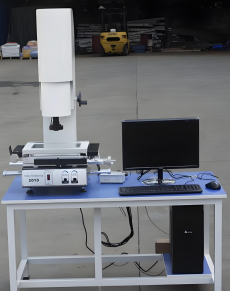
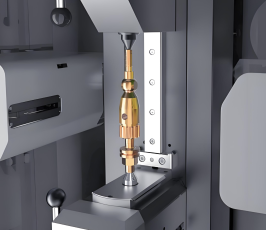
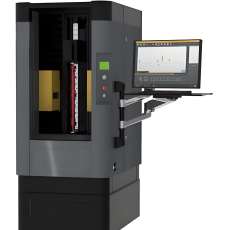
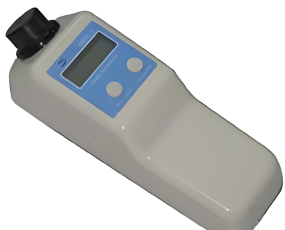
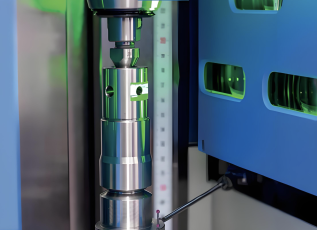


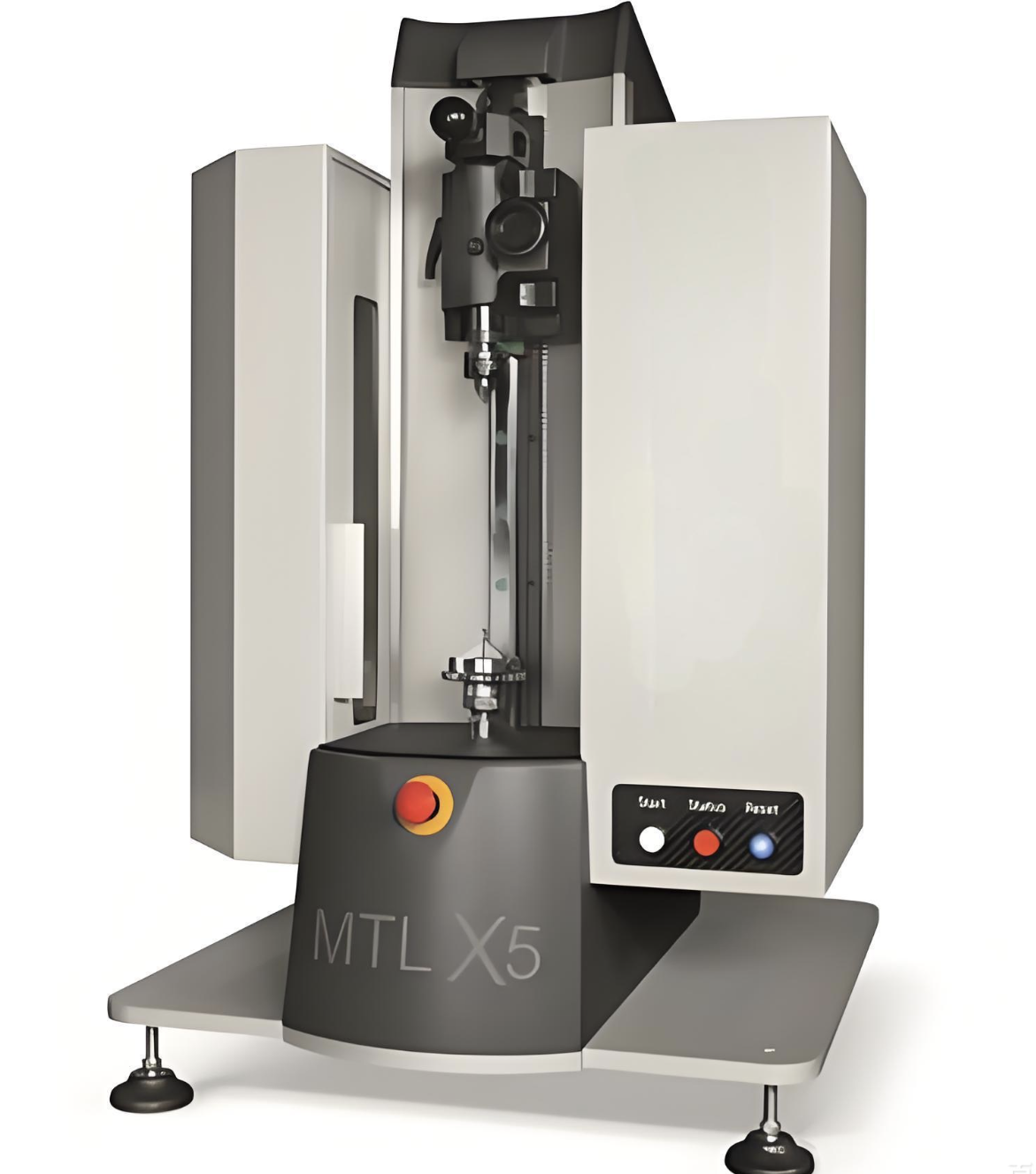
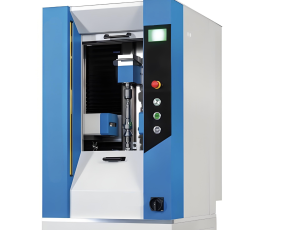
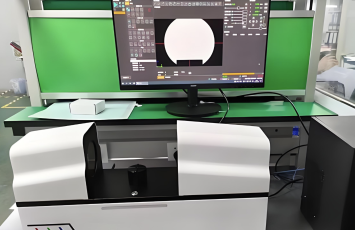
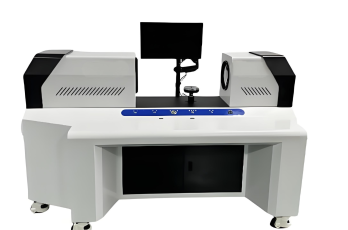
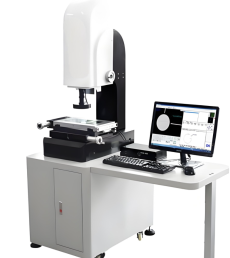
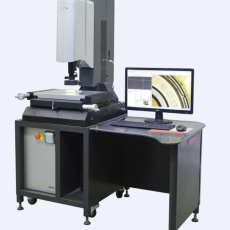
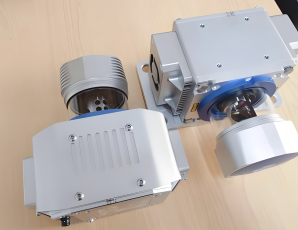
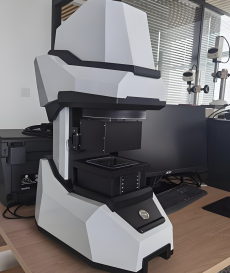
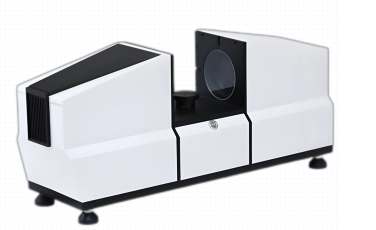
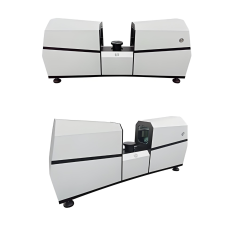
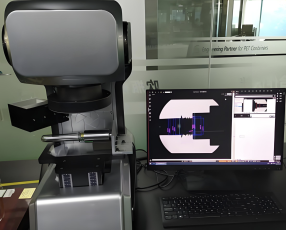
This semi-automatic shaft measuring instrument focuses on cost performance while ensuring measurement accuracy, making it an ideal choice for small and medium-sized enterprises with limited budget. Its core technical highlight is the dual-probe switching design, which can quickly switch between diameter and length measurement without repeated debugging. Compared with fully automatic measuring instruments, it reduces the complex operation threshold, allowing operators with basic training to complete accurate measurement work within 10 minutes of training. It also has a dust-proof and oil-proof body structure, suitable for the harsh working environment of mechanical processing workshops, and can effectively extend the service life of the equipment. The built-in SPC statistical software can automatically generate quality control reports, helping production managers timely grasp the production status of shafts and adjust processing parameters in time to reduce defective product rates.
Measuring diameter range: 5mm to 200mm; Measuring length range: 0mm to 500mm; Indicative error: ±2μm; Repeatability accuracy: ≤1μm; Host material: Cast iron base + aluminum alloy body; Probe type: Inductive contact probe; Display mode: 7-inch color LCD touch screen; Power supply: AC 110V/220V optional; Data interface: USB, RS232, WiFi; Supported shaft types: Solid shaft, hollow shaft, stepped shaft; Net weight: 35kg; Overall dimensions: 600mm×450mm×300mm; Built-in SPC data analysis software
This instrument is widely applicable to conventional shaft parts testing in mechanical processing workshops, hardware accessory factories, automobile accessory production lines, and bearing manufacturing enterprises. Typical application scenarios include testing the diameter and length of motor shafts, hydraulic pump shafts, and bearing inner and outer rings. It can also be used for incoming material inspection of shaft parts in third-party testing institutions, helping enterprises quickly complete batch sampling testing, improve the efficiency of incoming material inspection, and avoid the problem of unqualified parts flowing into the production line. In addition, it can support the testing of standard shaft parts, providing accurate measurement data for product quality certification and delivery acceptance.







 Post RFQ


 Chat
Chat


 ALL CATEGORIES