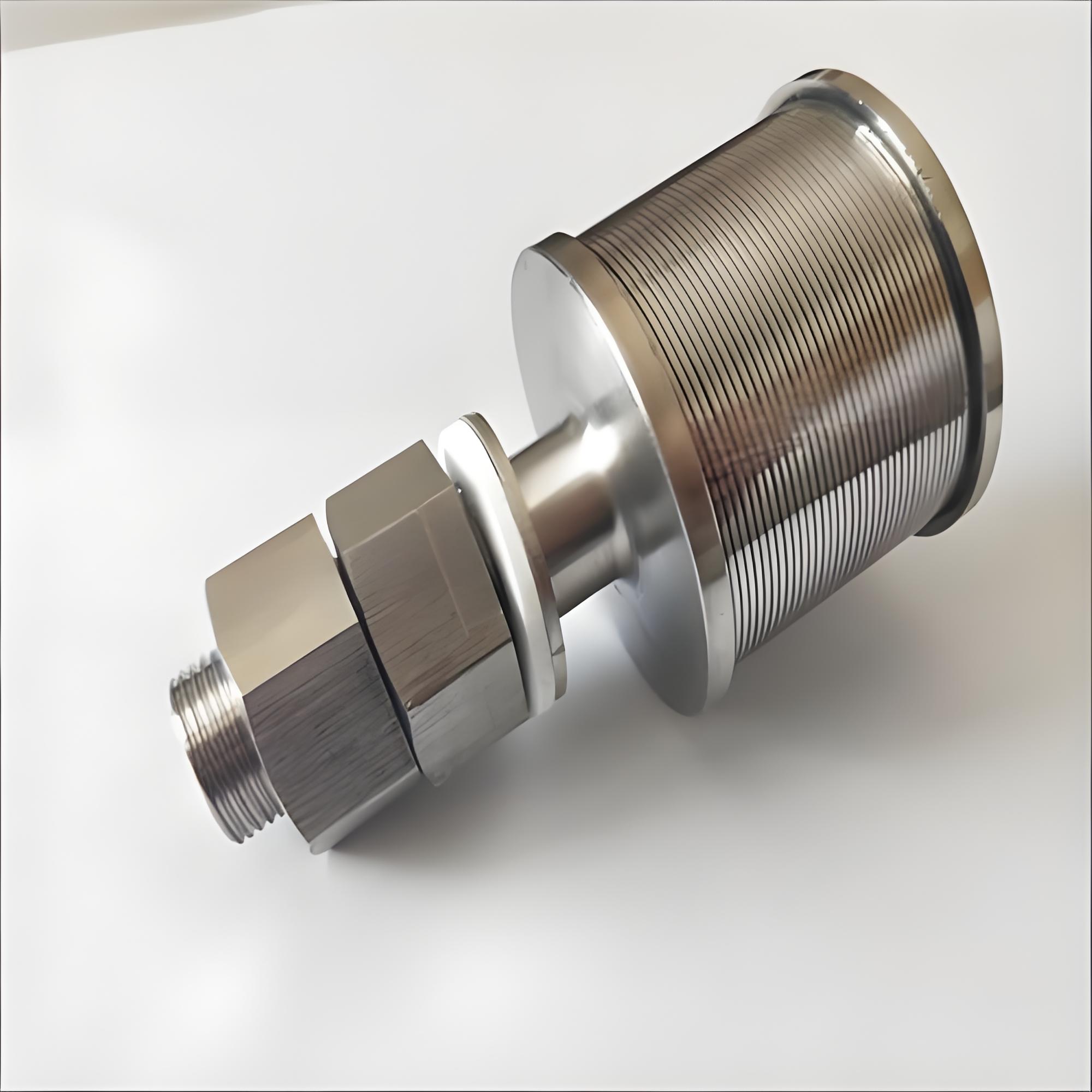
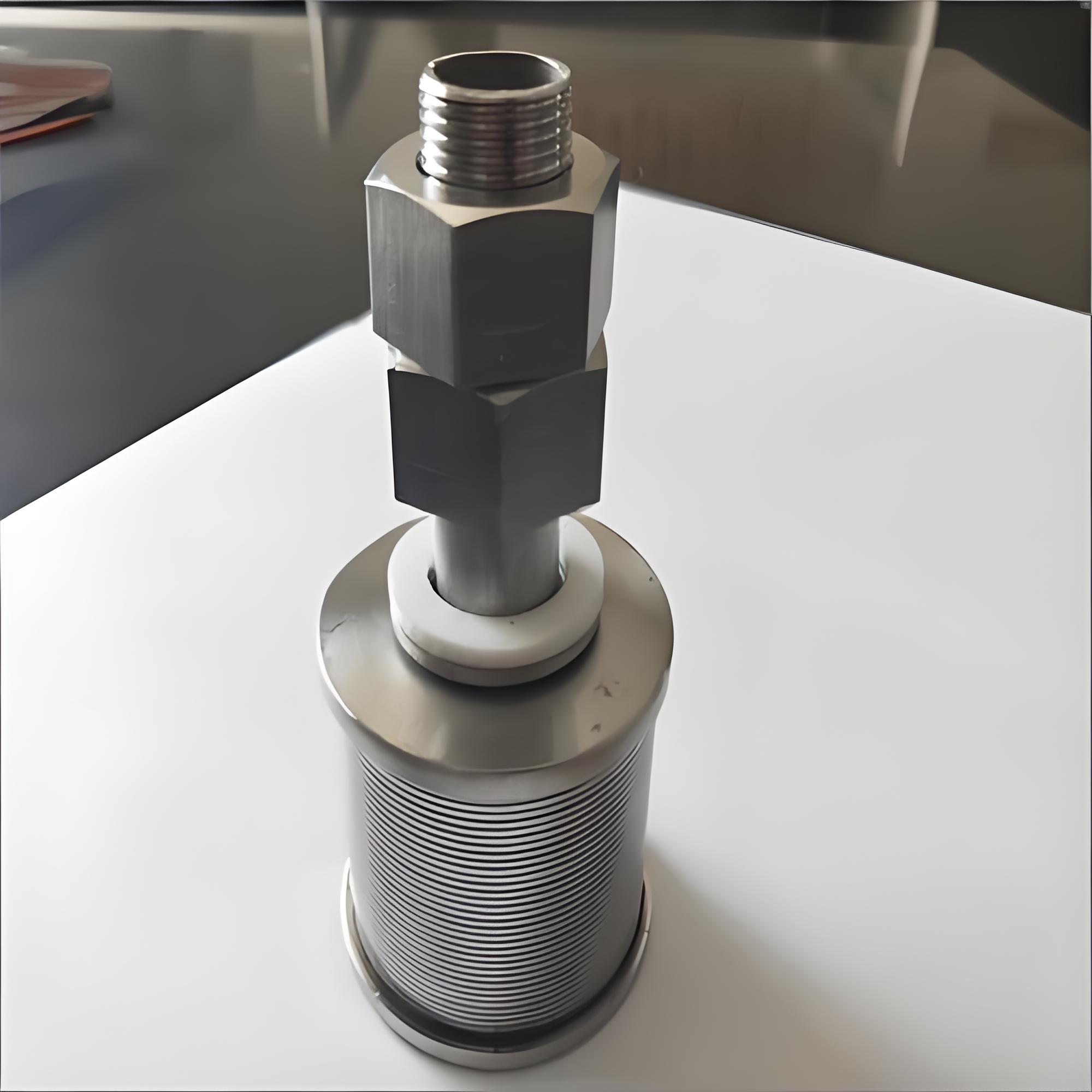


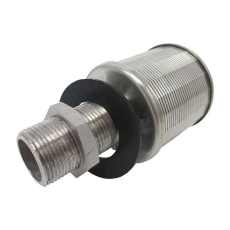
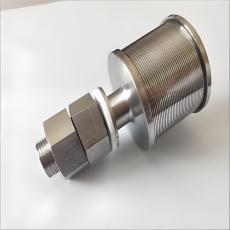
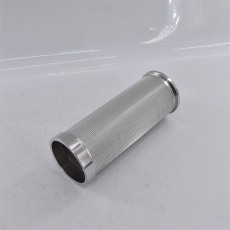
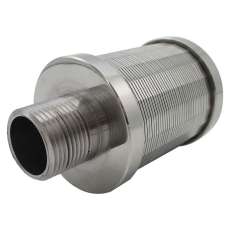
The adjustable flow structure is the key innovation of this water cap, allowing users to rotate the cap body 180 degrees to switch between two operating modes. In high-flow mode, the flow area expands to 20 cm², supporting a maximum flow rate of 18 m³ per hour for initial filtration with high suspended solids content. In high-precision mode, the flow area reduces to 8 cm², and the outlet precision tightens to 0.1 mm, ensuring efficient removal of fine particles in the final filtration stage. Made of 316 stainless steel, it offers excellent resistance to acid and alkali corrosion, making it suitable for chemical wastewater and seawater pretreatment systems. The clamp-on connection design enables tool-free installation and disassembly, reducing maintenance time by 70% compared to threaded water caps. It holds API and ISO 14001 certifications, ensuring compliance with environmental protection standards and industrial safety regulations.
This adjustable flow water cap has a total height of 95 mm, with a cap body diameter of 38 mm and an adjustment knob diameter of 25 mm. It weighs 210 grams per piece, with a clamp-on base diameter of 30 mm that fits standard 30 mm water distribution nozzles. In high-flow mode, the flow area is 20 cm², with an outlet precision of 0.3 mm, supporting a maximum flow rate of 18 m³ per hour at 0.6 MPa working pressure. In high-precision mode, the flow area reduces to 8 cm², with an outlet precision of 0.1 mm, supporting a flow rate of 7 m³ per hour. It is compatible with filter media particle sizes ranging from 0.3 mm to 3.0 mm, including resin, activated carbon, and quartz sand. The applicable temperature range is 0℃ to 90℃, with a maximum working pressure of 0.8 MPa. The adjustment knob has a locking mechanism to prevent accidental mode switching during operation, ensuring stable performance. It is certified to API and ISO 14001 standards, meeting international environmental and industrial requirements.
This water cap is ideal for variable-condition water treatment scenarios across multiple industries. In municipal wastewater treatment plants, it is used in depth filtration systems, switching to high-flow mode during peak wastewater discharge and high-precision mode during low-flow periods to meet strict effluent standards. In chemical manufacturing plants, it is installed in wastewater recycling systems to adapt to changing chemical concentrations and particle sizes in wastewater. In swimming pool circulating systems, it adjusts flow rates to meet peak usage demands and improve water clarity during off-peak hours. It is also applicable in seawater desalination pretreatment, where it adapts to varying salt concentrations and suspended solids content in raw seawater. Additionally, it can be used in agricultural irrigation water treatment systems to adjust filtration precision based on crop water quality requirements.







 Post RFQ


 Chat
Chat


 ALL CATEGORIES