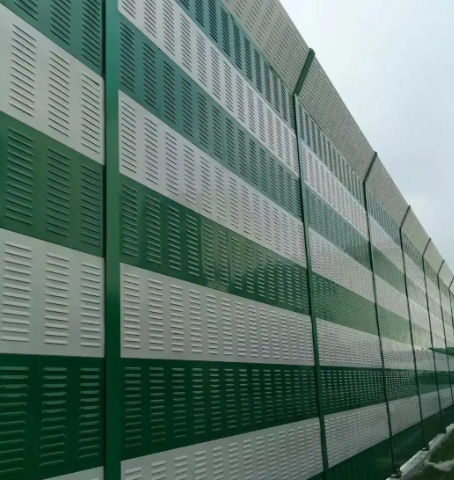
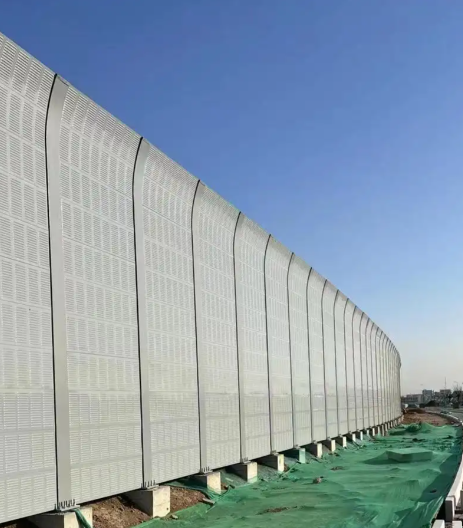


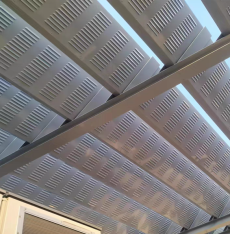
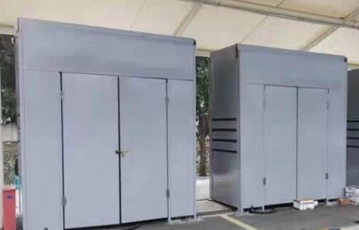
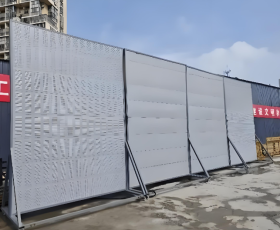
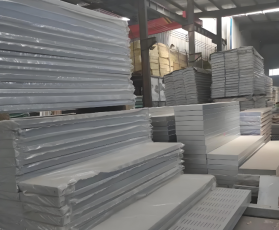
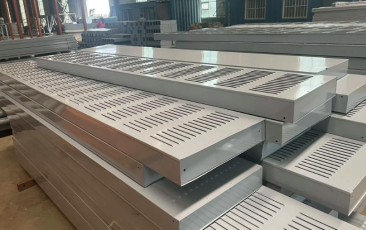
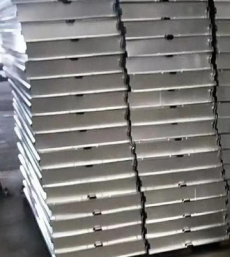
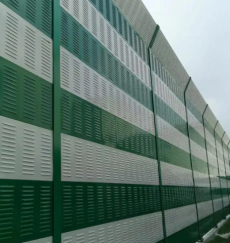
The key differentiator of this industrial sound barrier is its triple-layer structure: a 6 mm thick galvanized steel front panel with sound-dampening perforations, a 138 mm thick rockwool core with a density of 120 kg/m³ for maximum sound absorption, and a 6 mm thick solid steel back panel to block residual noise transmission. This design delivers a 40 dB NRR, which is 25% higher than standard industrial sound barriers, effectively reducing noise levels from 110 dB (typical of heavy machinery) to a safe 70 dB. Its ASTM E84 Class A fire resistance means it will not ignite or spread flames, critical for facilities handling flammable materials. The polyester powder coating provides a scratch-resistant, corrosion-proof finish that withstands industrial dust, chemicals, and temperature fluctuations. Unlike lightweight barriers, it is anchored to concrete foundations with welded brackets, eliminating vibration-induced loosening in high-traffic production areas. Additionally, it is pre-fabricated in standard sizes, reducing on-site cutting and welding time by 60% and minimizing disruption to industrial operations.
Each industrial sound barrier unit measures 3000 mm in height and 1200 mm in width, with a total thickness of 150 mm. The noise reduction rating is 40 dB, tested in accordance with ISO 140-1 standards in a controlled acoustic laboratory. The temperature resistance range is -50°C to 100°C, ensuring performance in cold storage facilities or high-temperature steel mills. The fire resistance class is ASTM E84 Class A, with a flame spread index of 0 and smoke developed index of 0. Each panel weighs 65 kg, requiring heavy-duty lifting equipment for installation. The hybrid installation system uses 10 mm thick welded steel brackets for the lower section and bolt-on brackets for the upper section, allowing for adjustment to uneven foundation surfaces. The surface treatment is a 100 micron thick polyester powder coating, available in black, dark gray, or custom colors. All components are OSHA compliant, meeting the requirements for occupational noise exposure control in industrial workplaces.
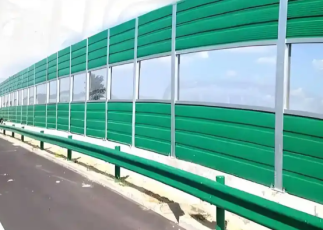
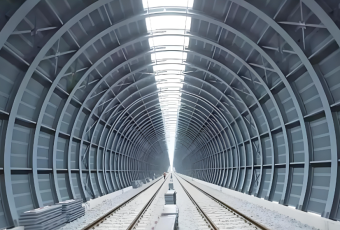
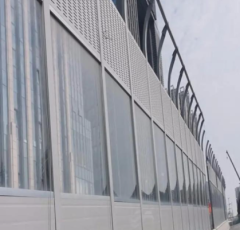
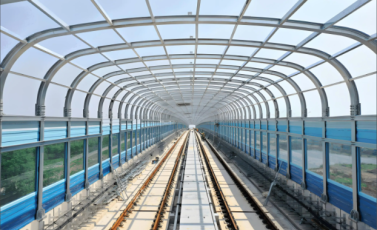
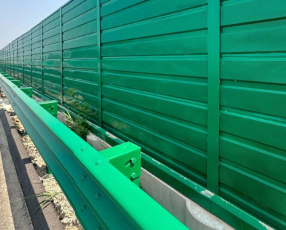
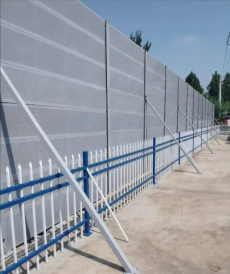
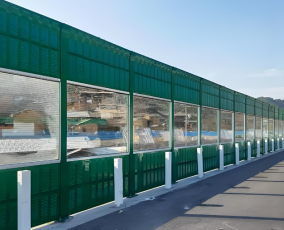
This sound barrier is designed for heavy industrial facilities, including steel manufacturing plants, cement production lines, mining operations, power generation stations, and heavy machinery assembly yards. It is ideal for installation around high-noise equipment such as compressors, turbines, crushers, and forging presses. In outdoor industrial yards, it can be used to create noise enclosures around loading docks or material handling areas, reducing noise pollution for nearby residential communities. For indoor applications, it is installed along production line perimeters to create quiet zones for quality control offices or worker break areas. It also meets the needs of oil refineries and chemical plants, where fire resistance and corrosion protection are critical. Additionally, it is used in waste management facilities to reduce noise from garbage compactors and recycling equipment, helping municipalities comply with local noise ordinances.








 Post RFQ


 Chat
Chat




 ALL CATEGORIES