
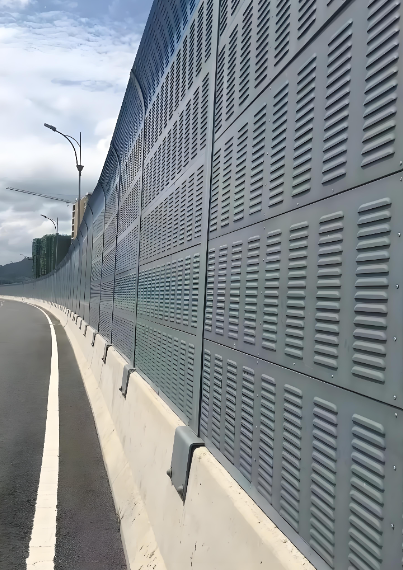


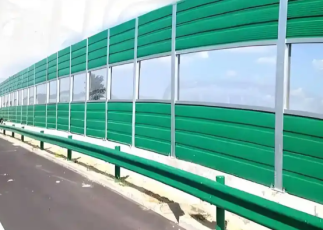
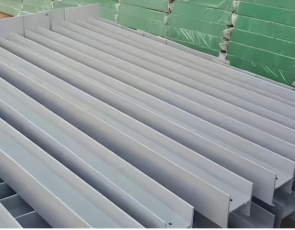
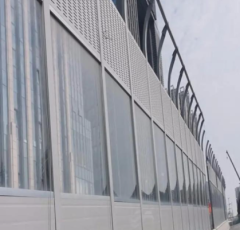
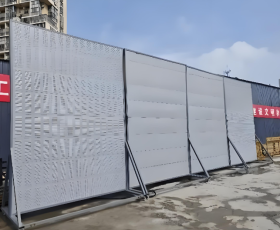
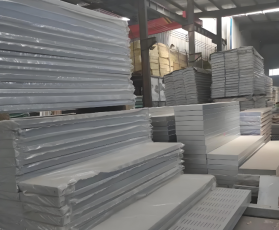
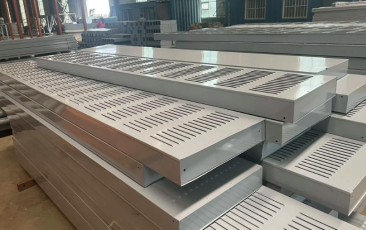
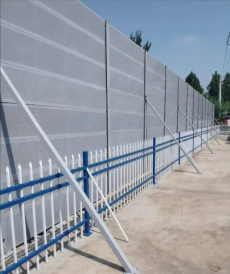
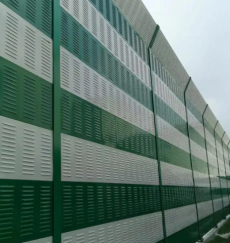
The core advantage of this sound barrier lies in its dual-layer acoustic structure: a perforated aluminum front panel traps sound waves, while a dense mineral wool core absorbs and dissipates them, eliminating echo and reducing noise transmission by 32 dB—far exceeding basic highway noise control standards. Its 6061-T6 aluminum alloy construction offers superior resistance to salt spray, UV radiation, and temperature fluctuations, making it ideal for coastal or northern regions with harsh winters. The bolt-on foundation brackets are pre-galvanized to prevent rust, and each panel is precision-cut to ensure seamless alignment during installation, minimizing gaps that could compromise performance. Unlike concrete barriers, it is lightweight yet rigid, reducing transportation costs and installation time by 40% compared to traditional heavy-duty alternatives. Additionally, it comes with ASTM E90 certification, guaranteeing compliance with global acoustic performance standards and providing peace of mind for infrastructure engineers and municipal planners.
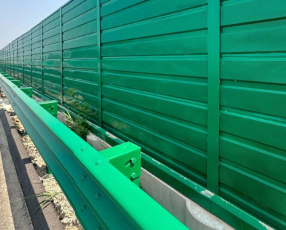
Each unit of the highway sound barrier measures 2400 mm in height and 1000 mm in width, with a total thickness of 80 mm (3 mm perforated aluminum front, 74 mm mineral wool core, 3 mm solid aluminum back). The noise reduction rating (NRR) is tested at 32 dB across 200 Hz to 5000 Hz frequency ranges, covering most traffic noise frequencies. The temperature resistance range spans from -40°C to 80°C, ensuring stable performance in extreme cold or heat. The wind resistance class is ASTM E1996 Class 4, capable of withstanding wind speeds up to 180 km/h. Each panel weighs 18 kg, making it manageable for small installation teams. The foundation brackets are made of 5 mm thick galvanized steel, with a mounting hole diameter of 16 mm for secure attachment to concrete or steel foundations. Color options include standard gray, white, and beige, with custom color coatings available upon request. All components meet ISO 140-3 environmental standards, ensuring low VOC emissions during production and installation.
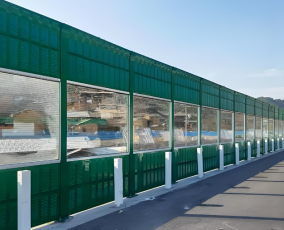
This sound barrier is primarily designed for high-traffic transportation infrastructure, including interstate highways, urban ring roads, and airport access roads where constant vehicle noise poses a threat to public health and quality of life. It is also suitable for installation near sensitive facilities such as hospitals, primary schools, nursing homes, and residential communities located within 500 meters of busy roadways. In coastal regions, its corrosion-resistant aluminum construction makes it ideal for seaside highways exposed to salt spray and high humidity. For municipal projects, it can be integrated with roadside landscaping to create aesthetically pleasing noise control corridors. Additionally, it is used in logistics hubs and freight terminals to reduce noise from heavy-duty truck traffic and loading/unloading operations, protecting nearby warehouse workers and residential areas from prolonged noise exposure.










 Post RFQ


 Chat
Chat





 ALL CATEGORIES