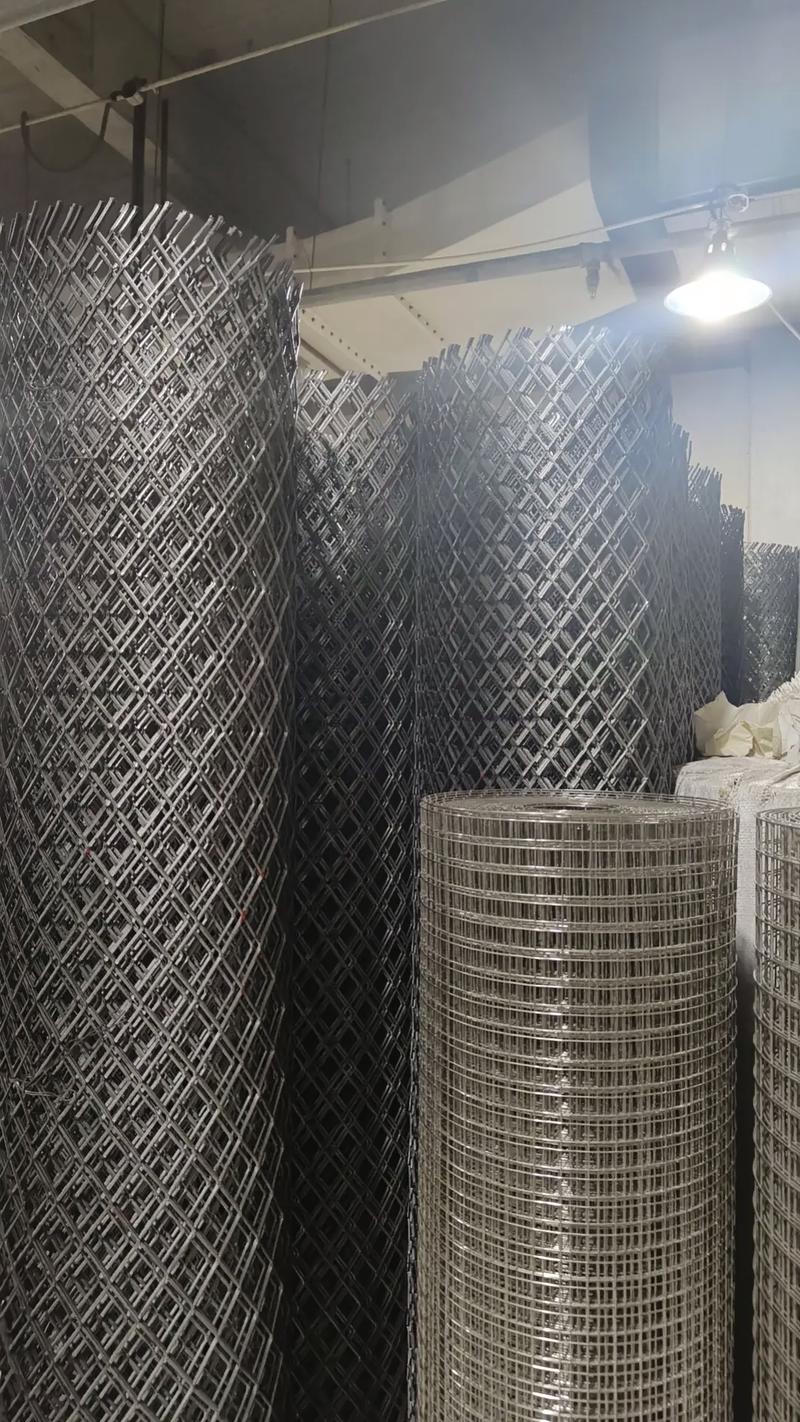
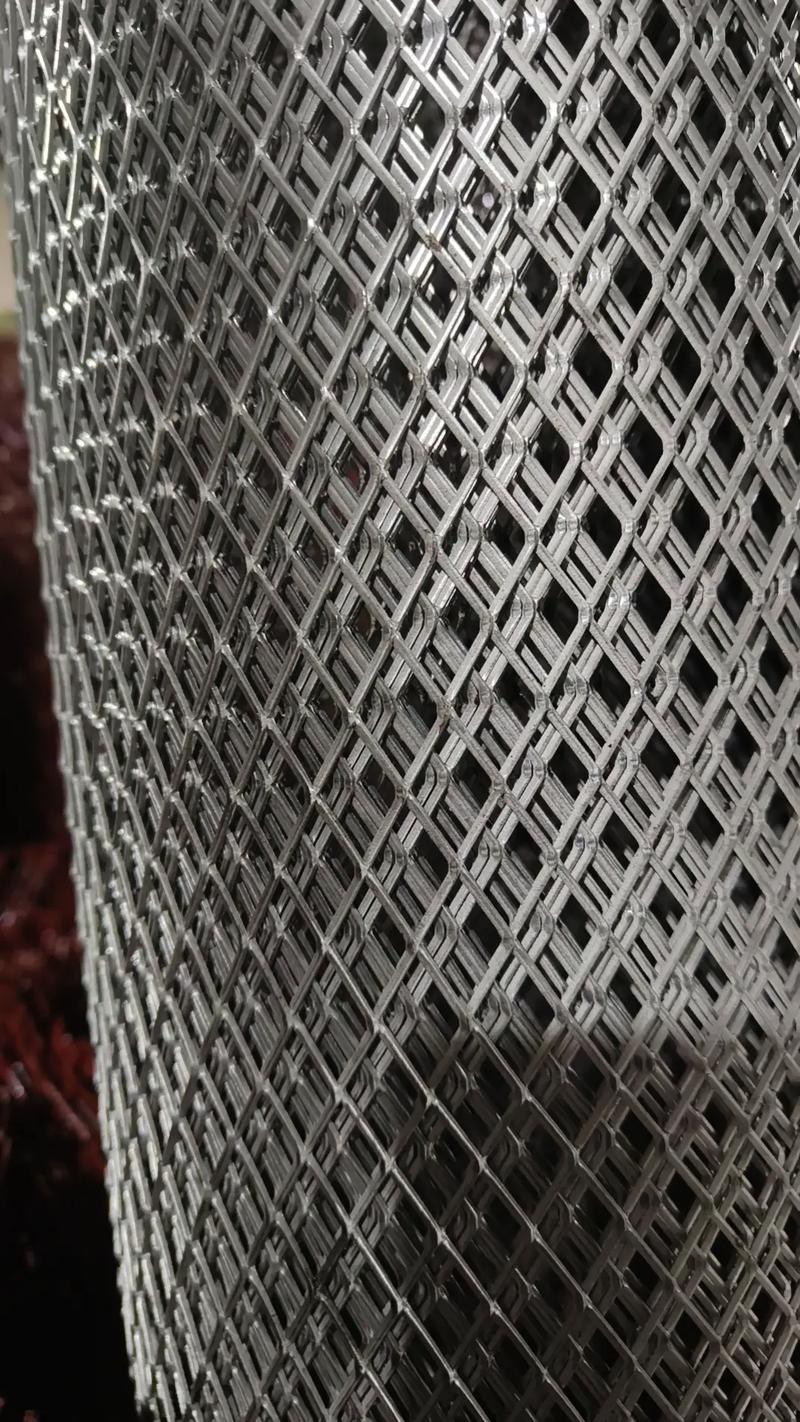


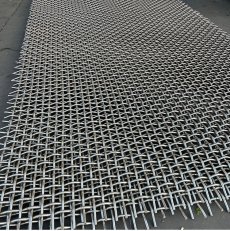
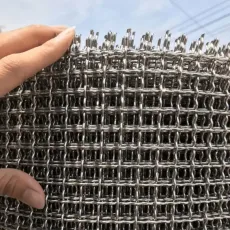
This manganese steel mesh stands out with its Mn13 material, which work-hardens upon impact—its surface hardness increases from HRC 45 to HRC 55 after continuous use, creating a self-strengthening wear-resistant layer that outperforms ordinary steel meshes by 15 times in wear resistance. The cold-crimped technology ensures each wire intersection is tightly locked, eliminating the need for welding and avoiding joint breakage under heavy impact loads, which is a critical advantage for high-vibration mining screens. It can withstand 500J of impact force without deformation or wire breakage, making it suitable for screening large ore blocks weighing up to 20kg per piece. Unlike high-carbon steel meshes that are prone to brittleness in low temperatures, this manganese steel mesh maintains ductility at -40℃, preventing cracking in cold mountain mining environments. Additionally, its customizable mesh openings and roll sizes allow it to adapt to different types of screening equipment, solving the problem of mismatched replacement parts in mining operations.
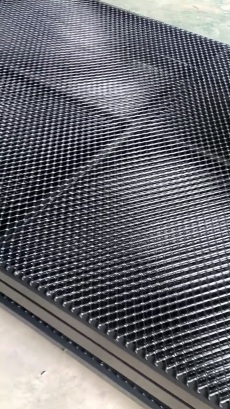
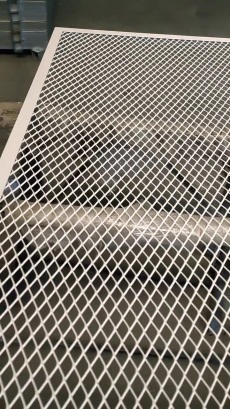
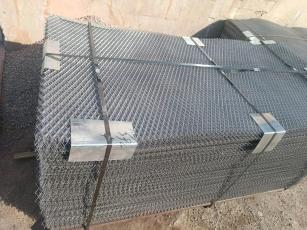
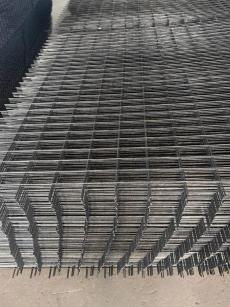
Constructed with 5.0mm diameter Mn13 high-manganese steel wires, this mesh features 50mm×50mm square openings with a crimp depth of 6mm to ensure wire stability. Each standard roll measures 1.5 meters in width and 20 meters in length, weighing 210kg, designed to fit most industrial vibrating screens. Its surface hardness ranges from HRC 45 to 50, with a wear resistance coefficient of 15 times that of carbon steel, meaning it can screen over 10,000 tons of ore before needing replacement. The mesh can operate in temperatures from -40℃ to 200℃, maintaining its mechanical properties in extreme cold or heat. Its tensile strength reaches 800MPa, with a breaking force of 40kN per linear meter, ensuring it doesn't tear under heavy material loads. All rolls undergo impact resistance testing and hardness verification, complying with GB/T 13011 mining equipment standards.
In coal mines, this manganese steel mesh is used as the primary screening layer for vibrating screens, separating coal chunks into different size grades for power plants or steel mills. In metal ore processing plants, it screens iron ore, copper ore, and gold ore to remove oversized rocks, improving the efficiency of subsequent crushing and grinding processes. Gravel quarries utilize it to classify aggregates into various sizes for construction projects, such as concrete mixing or road paving. It also finds applications in cement factories, where it screens clinker materials to ensure uniform particle size for cement production. In recycling plants, it is used to sort construction debris, separating concrete chunks from metal and plastic waste. Additionally, it can be deployed as a protective barrier in underground mines, preventing falling rocks from endangering workers, thanks to its high impact resistance and durability.







 Post RFQ


 Chat
Chat


 ALL CATEGORIES