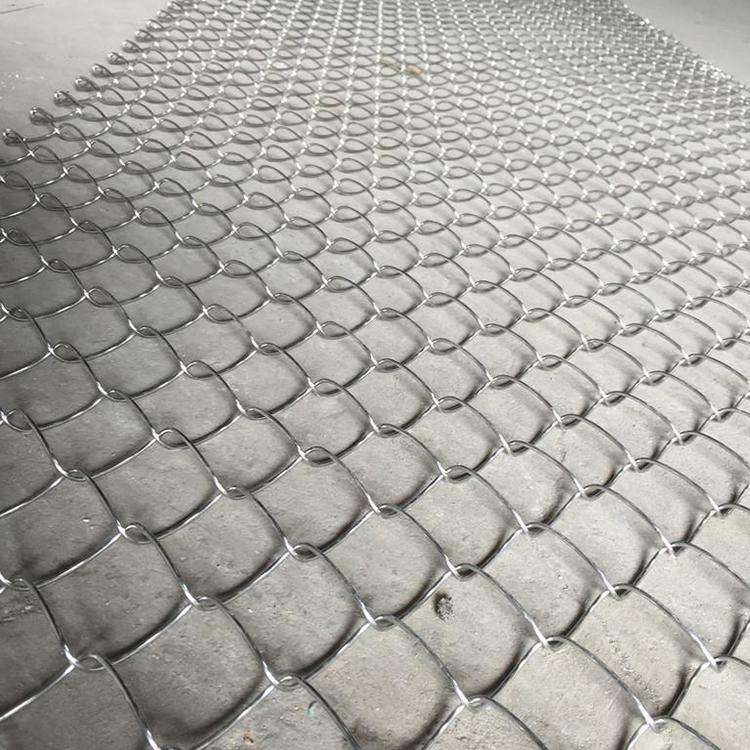
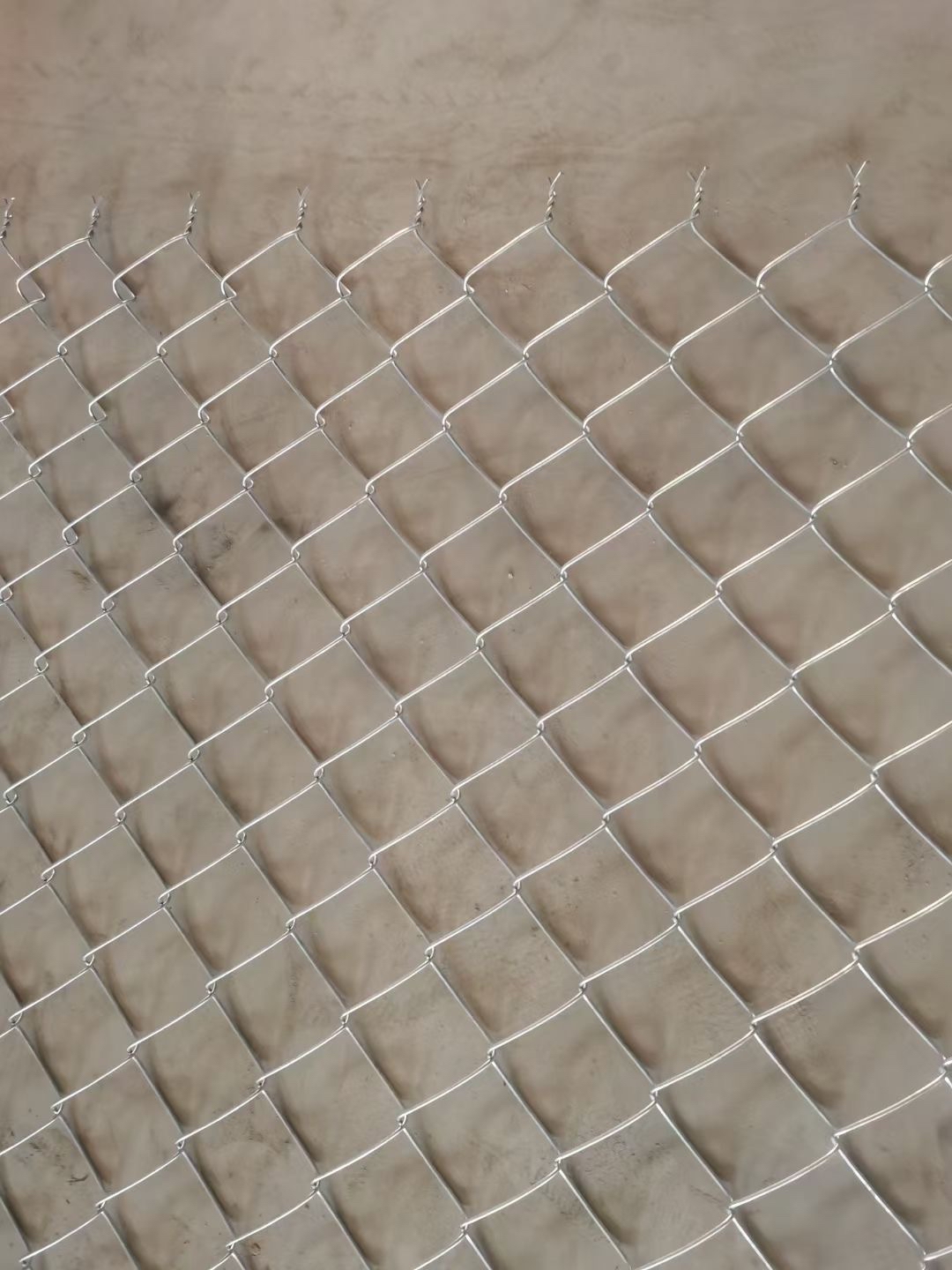



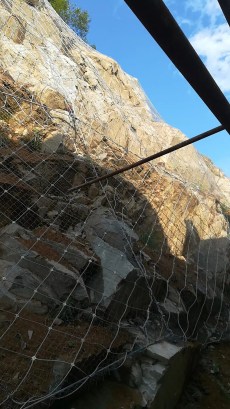
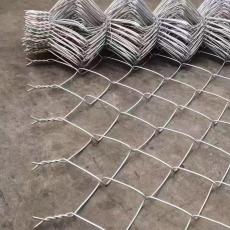
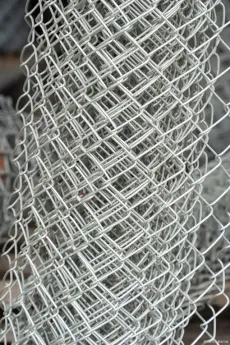
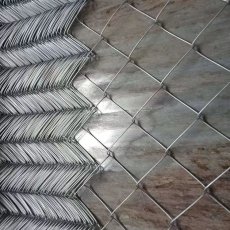
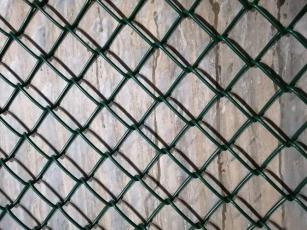
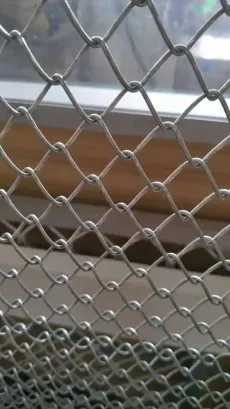
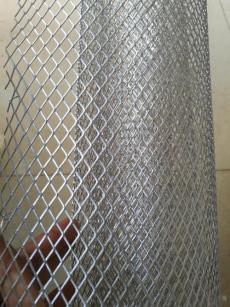
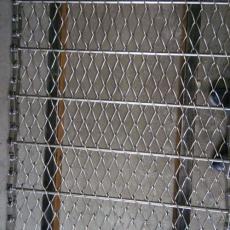
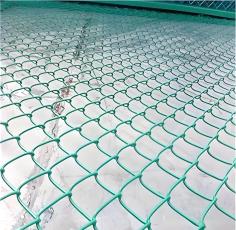
The primary advantage of this slope protection mesh is its flexible diamond woven structure, which can adapt to irregular slope terrain and deform with ground movement without breaking or losing its protective function. The dual coating of hot-dipped galvanizing and polymer provides excellent corrosion and erosion resistance, ensuring long-term performance in outdoor environmental conditions with high rainfall, salt spray, and extreme temperature fluctuations. It has a tensile strength of 420MPa, capable of withstanding impacts from falling rocks and soil movement, providing effective protection for roads, railways, and residential areas near slopes. Unlike traditional rigid slope protection structures, it is easy to install without the need for large construction equipment, reducing project time and costs, solving the common pain points of difficult installation and poor terrain adaptability of rigid slope protection systems.
Each roll measures 2.5 meters in width and 50 meters in length, with a net weight of 60kg per roll. The wire diameter is 3.0mm, with a 0.5mm thick dual coating of hot-dipped galvanizing and polymer to enhance corrosion and erosion resistance. It meets GB/T 18996-2003 and ISO 14001 environmental management standards, ensuring compliance with national and international geotechnical engineering requirements. The operating temperature range is from -60℃ to 150℃, making it suitable for use in high-altitude mountain areas, cold storage regions, and tropical coastal areas. It is packaged in waterproof plastic wraps and wooden pallets to protect against damage during long-distance transportation, and custom sizes and mesh patterns are available for specific slope protection projects.
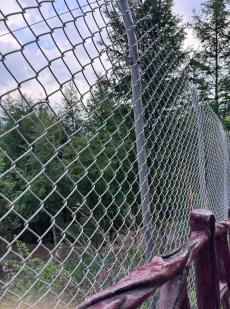
This slope protection flexible woven wire mesh is primarily used for highway slope protection, railway slope erosion control, river bank erosion prevention, mountain landslide prevention, and mine slope protection. It is ideal for road and bridge construction companies, water conservancy engineering teams, mining enterprises, and local government transportation departments looking to enhance slope safety and prevent geological disasters. It can also be used as a protective barrier for construction sites on hilly terrain.








 Post RFQ


 Chat
Chat


 ALL CATEGORIES