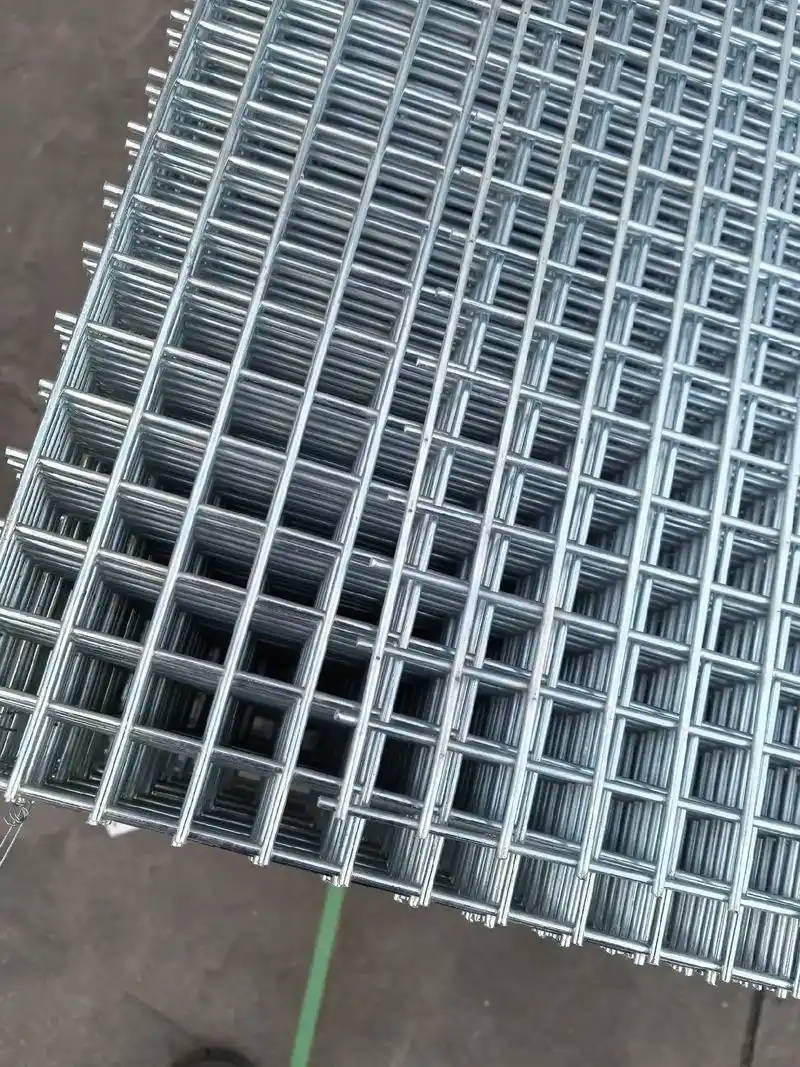
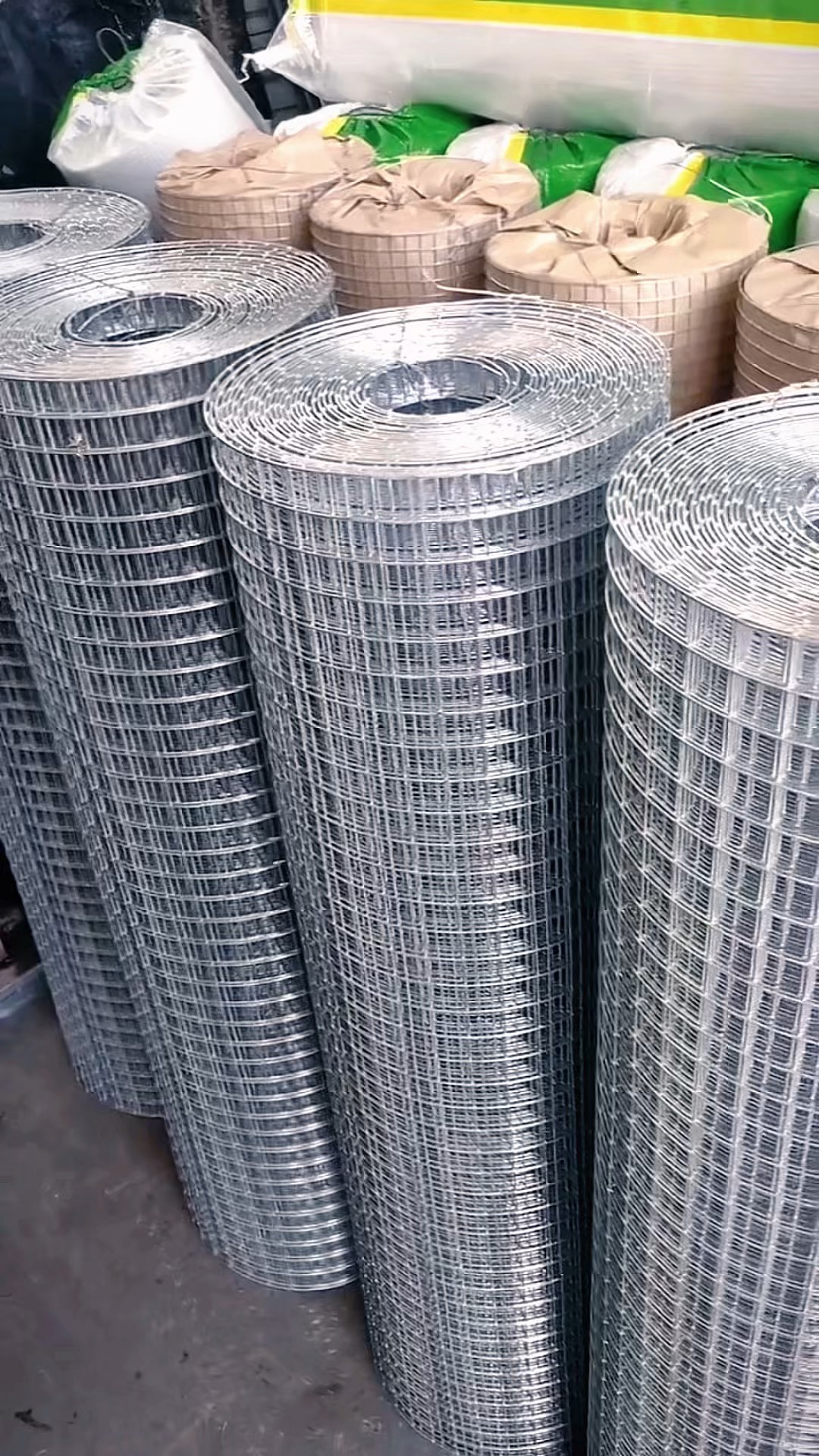


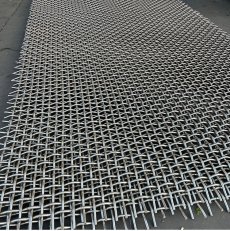
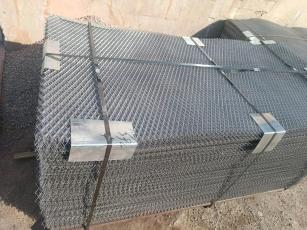
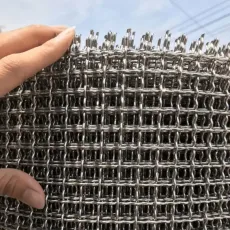
The key advantage of this galvanized crimped wire mesh lies in its hot-dip galvanizing process, which immerses the entire mesh in molten zinc to form a uniform, thick protective layer—providing better corrosion resistance than electro-galvanized alternatives, which only coat the surface. The crimped intersections eliminate the need for welding, avoiding weak points where rust can start, and ensuring the mesh remains intact even when subjected to animal impacts. With a tensile strength of 380MPa, it can withstand up to 800kg of pressure per square meter, preventing fence collapse caused by herd movement. The smooth zinc coating reduces the risk of animal injury from sharp edges, while the 50mm mesh opening prevents young chicks or rabbits from squeezing through, solving the common problem of escape in breeding facilities. Additionally, its 10-15 year outdoor service life reduces long-term replacement costs compared to uncoated steel meshes.
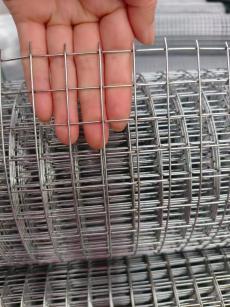
Constructed with 2.0mm diameter low-carbon steel wires, this mesh features 50mm×50mm square openings with a crimp depth of 3mm to secure wire intersections. Each standard roll measures 2.0 meters in width and 50 meters in length, weighing 85kg for easy handling during installation. The hot-dip galvanizing layer is at least 80μm thick, meeting GB/T 13912 Grade 8 corrosion resistance standards, which means it can resist neutral salt spray for over 800 hours without red rust. Its tensile strength reaches 380MPa, with a breaking force of 12kN per linear meter, ensuring the fence remains stable under animal pressure. The mesh has a flatness error of ±3mm per square meter, avoiding uneven gaps that could lead to animal escape. All rolls are inspected for zinc coating uniformity and wire consistency, with a 1-year warranty against manufacturing defects.
This galvanized crimped wire mesh is ideal for building chicken coops, rabbit hutches, and sheep pens, providing a secure and ventilated living space for livestock. In commercial poultry farms, it is used to construct perimeter fences and internal partitions to separate different age groups of chickens, reducing the spread of diseases. For small-scale family farms, it can be assembled into temporary enclosures for grazing goats or sheep, protecting them from predators like wolves or foxes. It also serves as a barrier for aquaculture ponds, preventing fish from escaping and keeping predators out. Additionally, pet owners use it to build large outdoor enclosures for dogs or cats, ensuring their pets have enough space to move while staying safe. In garden settings, it can act as a protective fence for vegetable patches, keeping small animals like rabbits from damaging crops without blocking sunlight or air circulation.








 Post RFQ


 Chat
Chat


 ALL CATEGORIES