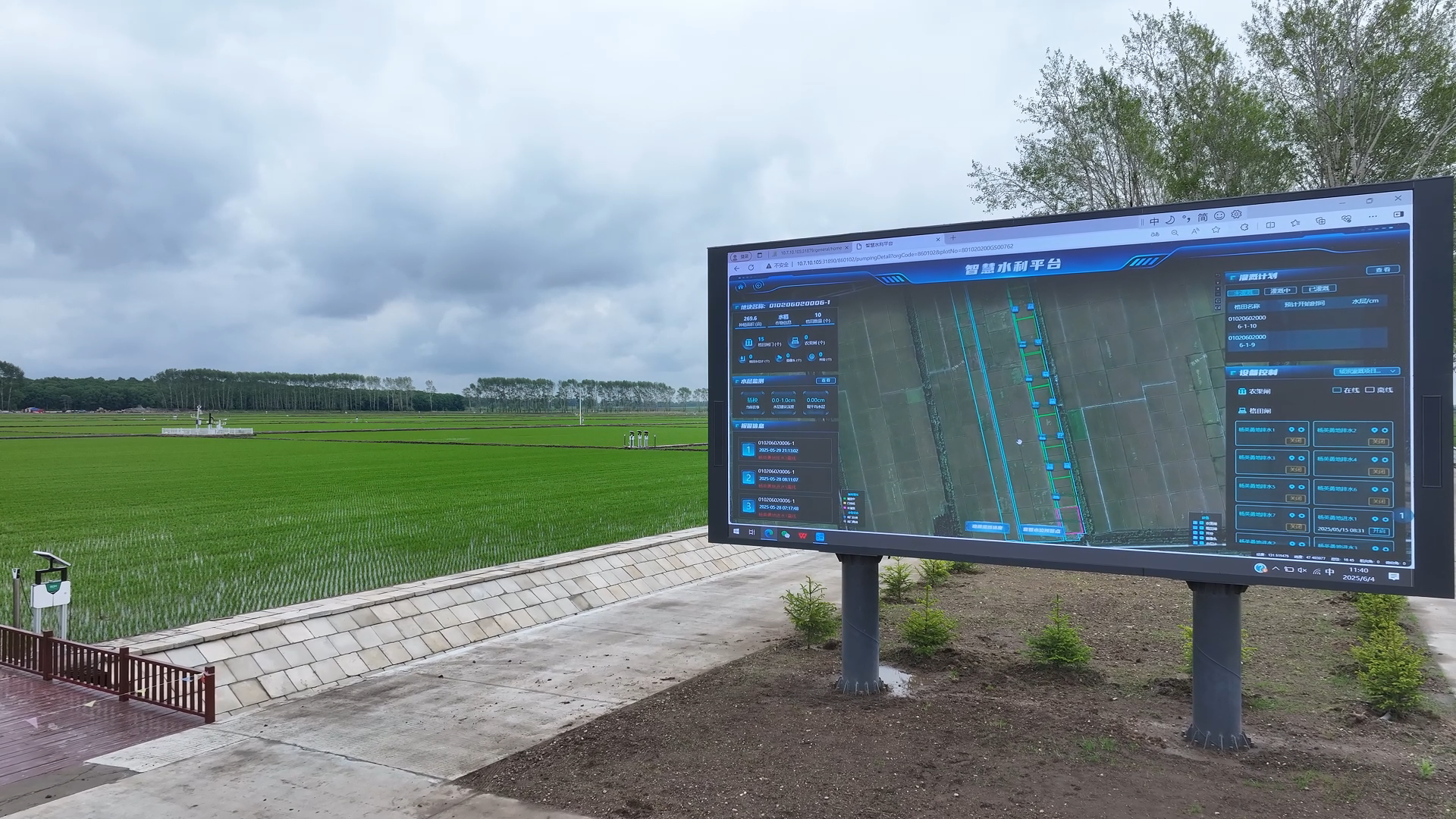
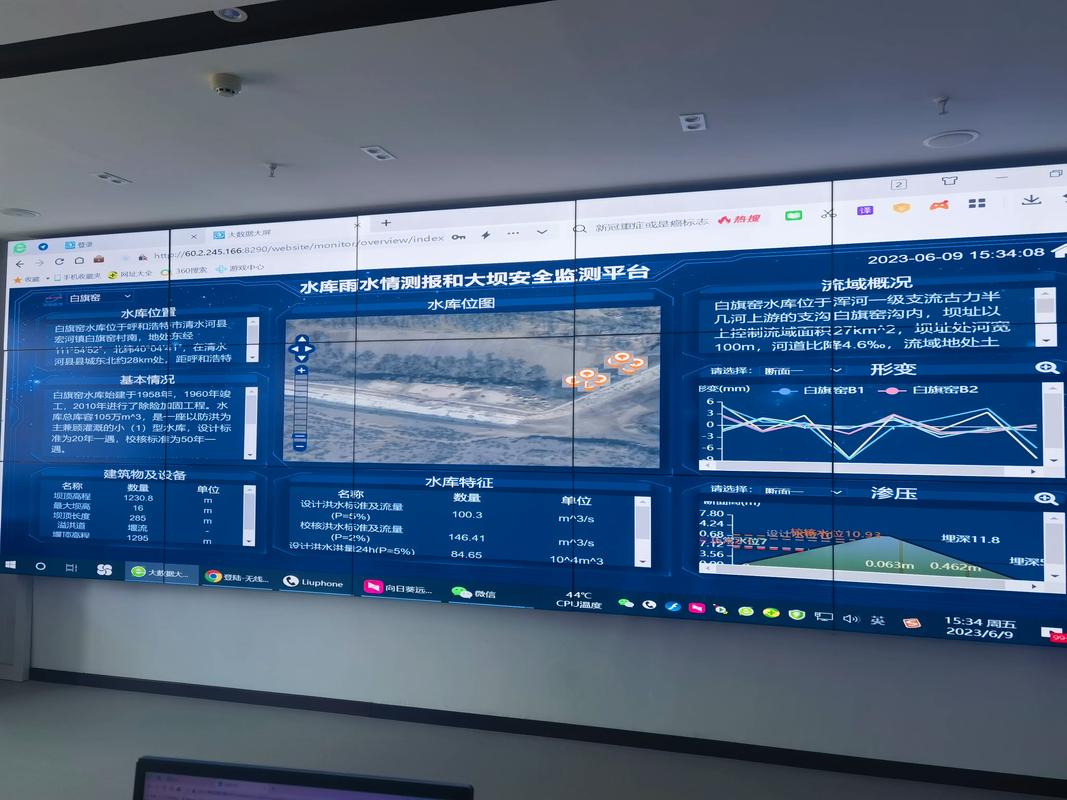


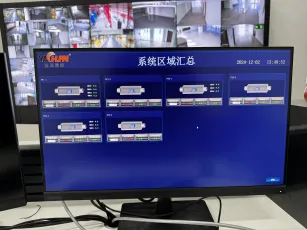
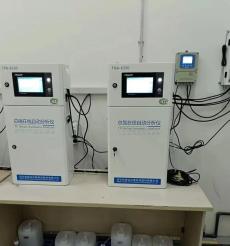
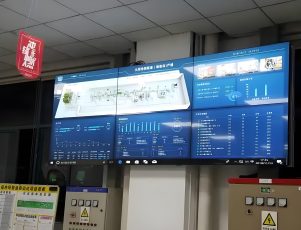
The core advantage is the IP67 protection design, which can completely resist heavy rain immersion and sand erosion, adapting to the extreme environment of outdoor water conservancy scenarios. The wide working temperature range of -20℃~65℃ can operate stably in the severe cold of northern winter and high temperature of southern summer, solving the pain point of poor outdoor adaptability of traditional analog screens. The viewing distance of ≥500m ensures that water conservancy control personnel can clearly read data in the central control room or remote observation points. The UV400 ultraviolet resistance grade effectively prevents the screen from aging and fading, prolonging the service life. It supports dual communication modes of fiber optic and 4G, which can automatically switch to 4G transmission when the wired network fails, ensuring uninterrupted data transmission. The service life of ≥150000 hours greatly reduces equipment maintenance and replacement costs.
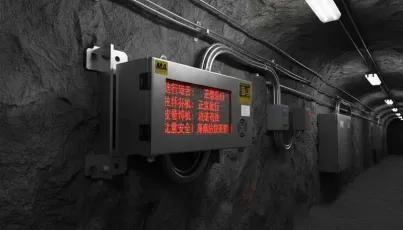
The conventional screen size is 3000×1500mm (L×H), with a thickness of 120mm, pixel pitch of 3mm, and display resolution of 1000×500. The display brightness is ≥2000cd/㎡, and it can automatically adjust brightness according to ambient light, with power consumption ≤150W and standby power consumption ≤5W. The protection grade is IP67, with a fully sealed structure, and the frame is made of 304 stainless steel with spray coating treatment, which has strong corrosion resistance. The working temperature range is -20℃~65℃, and the storage temperature is -30℃~70℃. The ultraviolet resistance grade is UV400, which can resist strong ultraviolet radiation and prevent screen aging. The communication interface supports dual modes of fiber optic and 4G, which can connect to the water conservancy SCADA system, and the data transmission delay is ≤2s. It supports two installation methods: floor-mounted and cantilever-mounted, adapting to different water conservancy facility layouts. The service life is ≥150000 hours, and the mean time between failures (MTBF) is ≥100000 hours.
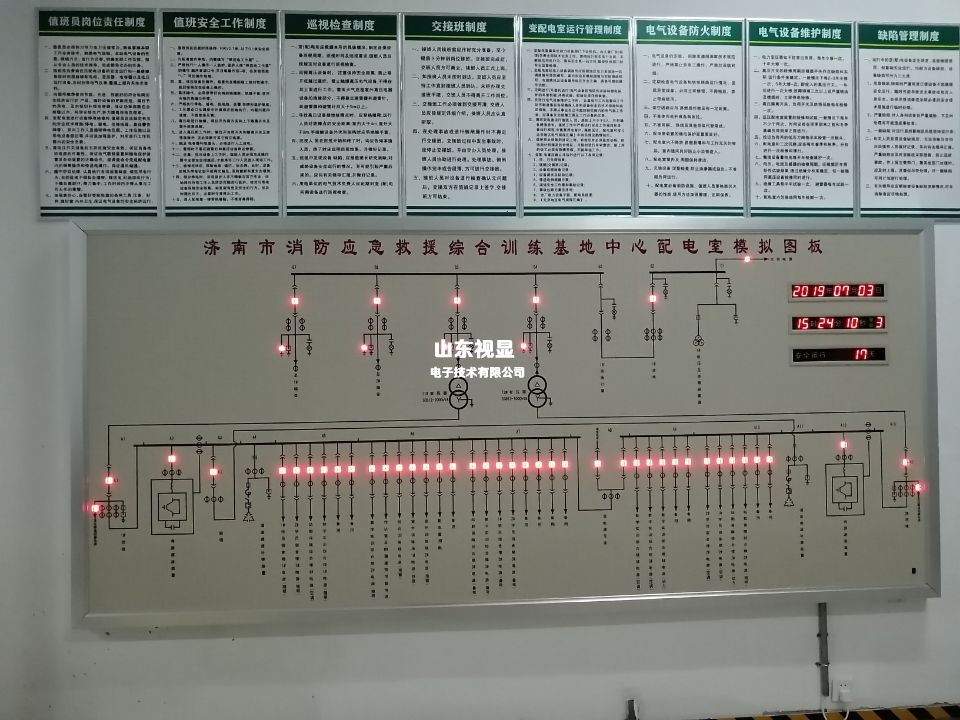
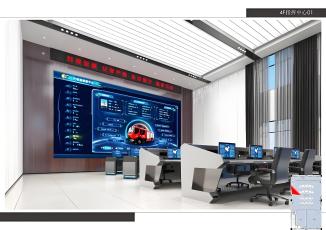
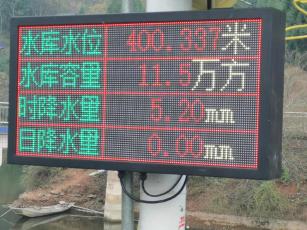
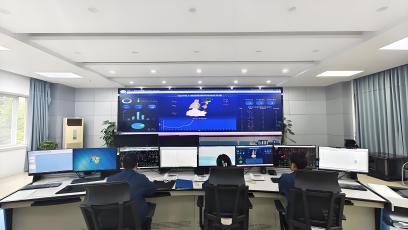
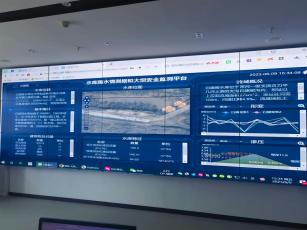
It is widely used in outdoor water conservancy scenarios such as large reservoirs, hydropower stations, irrigation districts, and flood control sluices. In reservoir control, it can real-time display water level height, inflow flow rate, outflow flow rate, and gate opening, helping control personnel adjust gate opening in time to prevent flood disasters or drought. In hydropower stations, it can present unit operation status, power generation capacity, and water level drop to ensure power generation efficiency and equipment safety. In irrigation districts, it can display irrigation flow rate, water level, and channel status to optimize water resource allocation and improve irrigation efficiency. In addition, it can be used in water conservancy emergency command centers as on-site data display equipment to help emergency personnel real-time grasp disaster situations and formulate emergency response plans.








 Post RFQ


 Chat
Chat


 ALL CATEGORIES