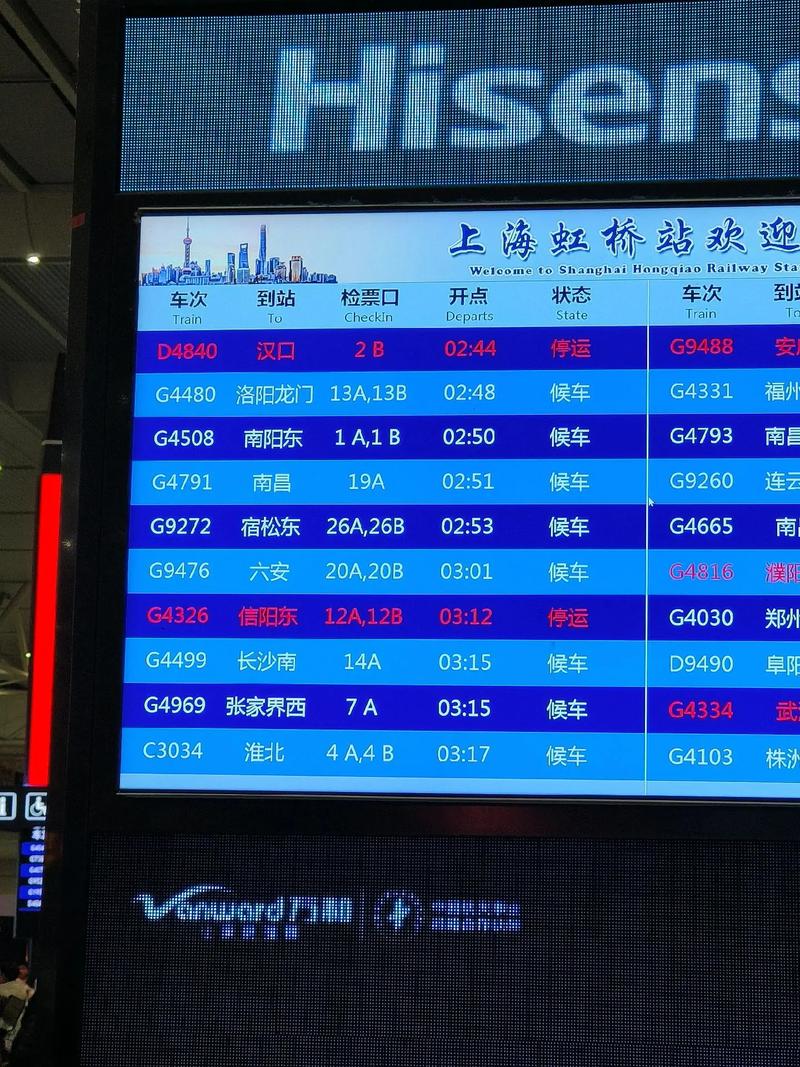
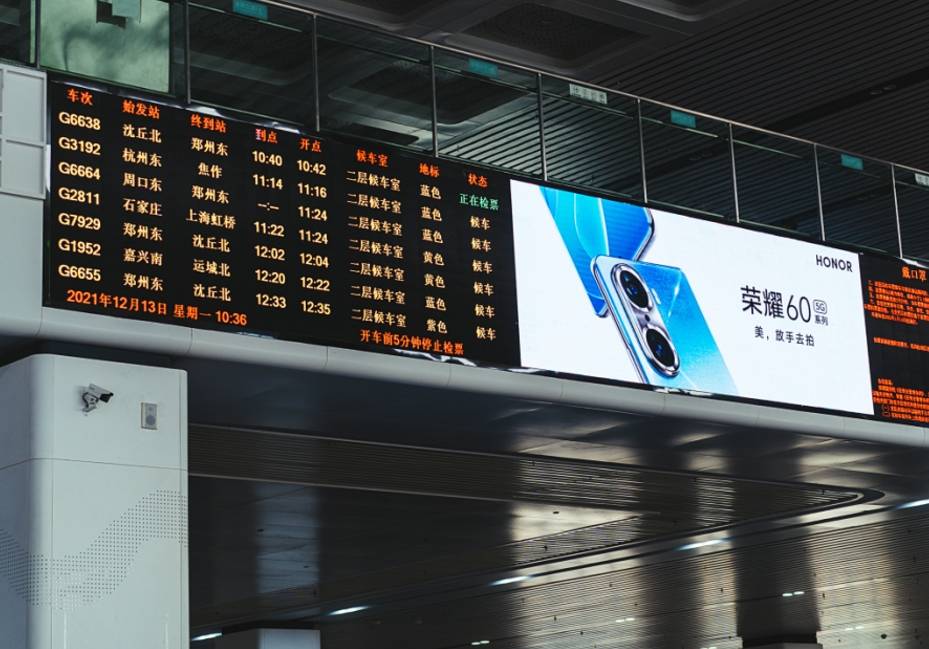


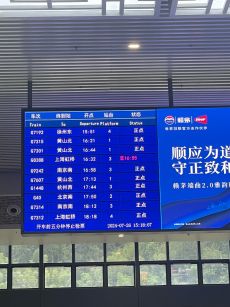
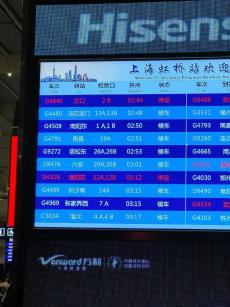
The core feature is the ultra-high brightness display technology of ≥1500cd/㎡, which is still clearly readable under strong direct sunlight on sunny days, solving the pain point of poor outdoor visibility of traditional analog screens. The 2mm ultra-small pixel pitch makes the display content delicate and realistic, and the color reproduction rate is ≥98%, ensuring that train information is clearly distinguishable. The IP65 waterproof and dustproof design can resist harsh weather such as heavy rain and sandstorms, adapting to the harsh environment of outdoor platforms. It supports the TCP/IP communication protocol, which can real-time synchronize data with the rail transit dispatching system, and the information update delay is ≤1s, ensuring passengers obtain the latest train information. The ultra-long service life of ≥120000 hours and mean time between failures (MTBF) of ≥90000 hours greatly reduce equipment maintenance frequency and costs.
The conventional screen size is 2400×1200mm (L×H), with a thickness of 100mm, pixel pitch of 2mm, and display resolution of 1200×600. The display brightness is ≥1500cd/㎡, and it can automatically adjust brightness according to ambient light to save energy. The color reproduction rate is ≥98%, supporting 16.7M true color display. The working voltage is AC 220V±10%, the power consumption is ≤120W, and the standby power consumption is ≤5W. The communication interface is Ethernet, supporting the TCP/IP protocol, which can connect to the rail transit SCADA system. The working temperature range is -10℃~60℃, and the storage temperature is -20℃~70℃. The waterproof grade is IP65, and the dustproof grade is IP65. It supports two installation methods: column-mounted and wall-mounted, adapting to different platform layouts. The service life is ≥120000 hours, and the mean time between failures (MTBF) is ≥90000 hours.
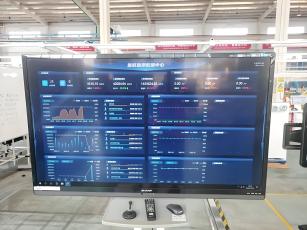
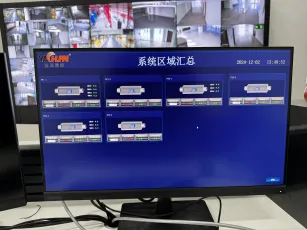
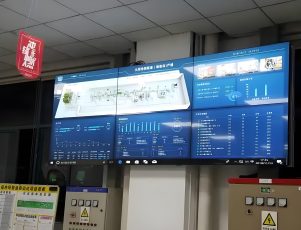
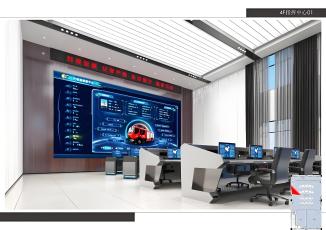
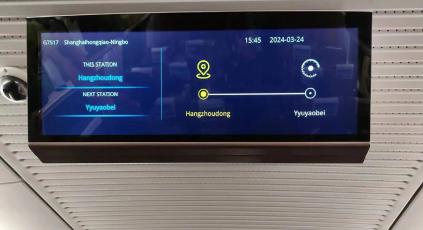
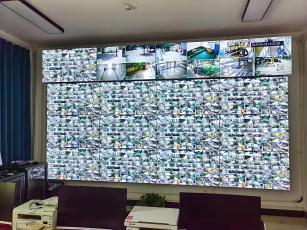
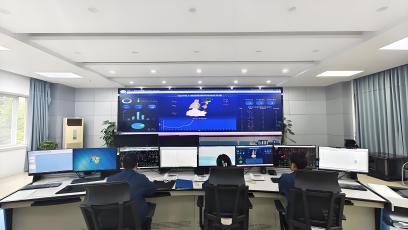
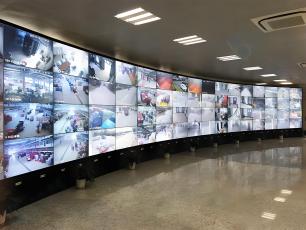
It is widely used in rail transit scenarios such as high-speed railway stations, subway stations, intercity railway platforms, and light rail platforms. In high-speed railway stations, it can real-time display train origin/destination, arrival time, departure time, and ticket gate information, helping passengers quickly locate their boarding positions and reduce missed trains. In subway stations, it can present train running direction, arrival countdown, and transfer information to improve passenger transfer efficiency. In intercity railway platforms, it can display train schedules, seat status, and delay notifications to optimize passenger travel experience. In addition, it can be used in the dispatching center of rail transit hubs as a platform status monitoring equipment to help dispatchers real-time grasp the operation status of each platform and adjust train operation plans in time.








 Post RFQ


 Chat
Chat


 ALL CATEGORIES