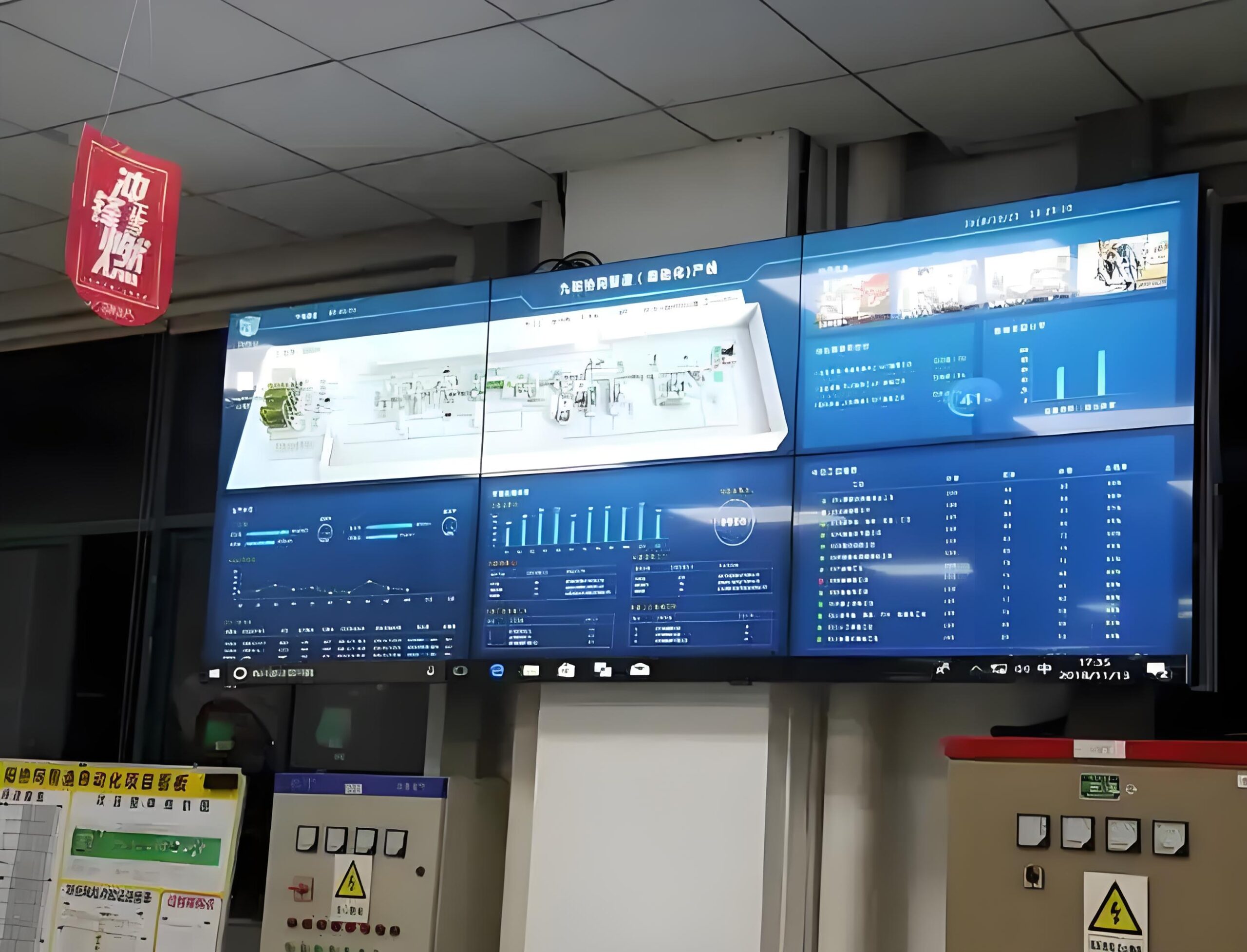
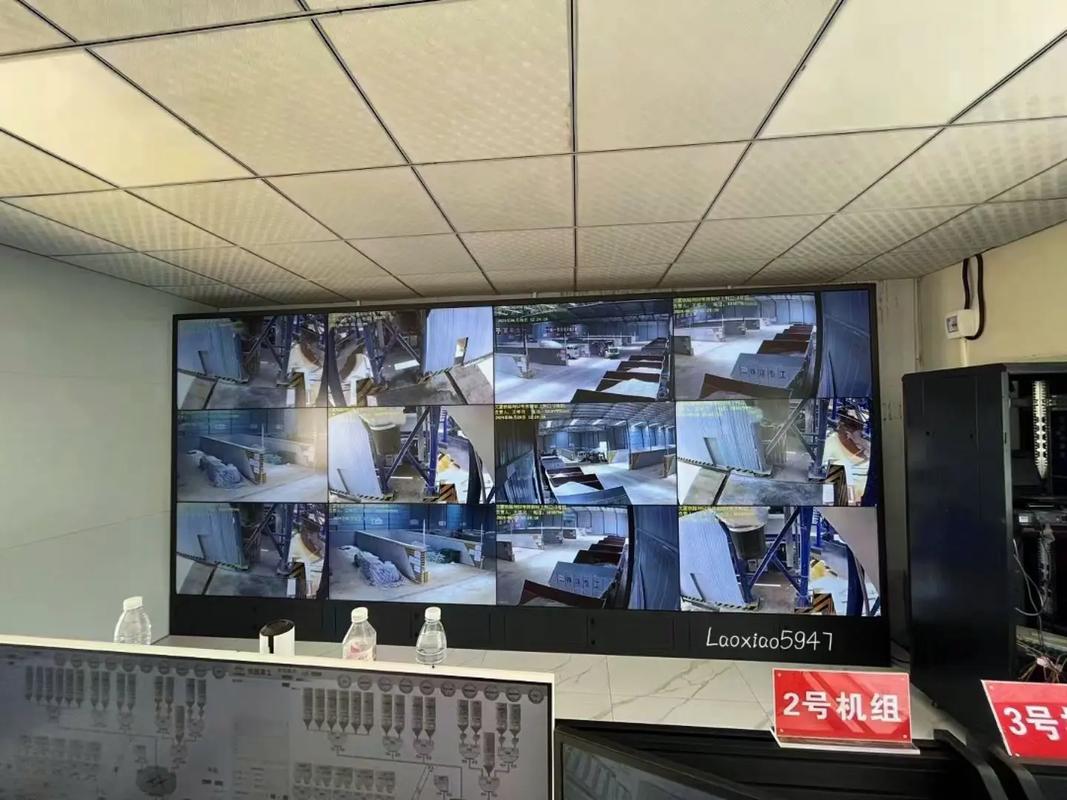


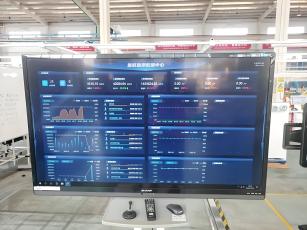
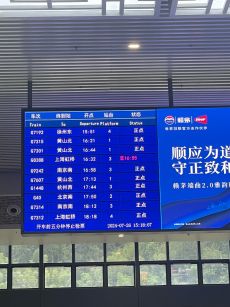
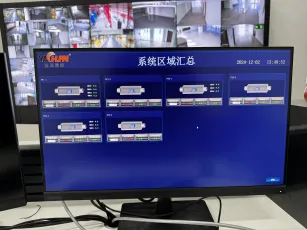
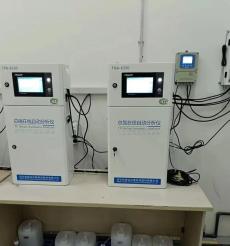
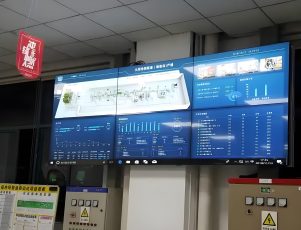
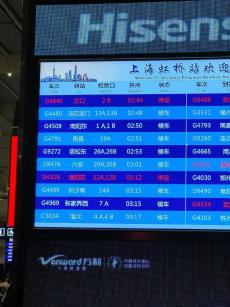
The core advantage is the 178° full-view TFT LCD backlit technology, which ensures that operators in different positions in the workshop can clearly observe production data, solving the pain point of limited viewing angle of traditional analog screens. The fast response time of ≤5ms real-time synchronizes production line dynamic data, avoiding production errors caused by information delay. It supports dual input of 4-20mA current signal and RS232 digital signal, which can be compatible with mainstream industrial control systems without additional adapter equipment, reducing system integration costs. The IP53 dustproof design effectively resists workshop dust erosion, and the shock resistance of ≥5G adapts to the vibration environment of workshop equipment. The low-power design has a total power consumption of ≤80W, which can greatly reduce energy costs during long-term operation.
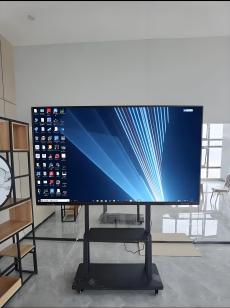
The conventional screen size is 1920×1080mm (L×H), with a thickness of 80mm. The panel is made of 2.5mm thick scratch-resistant PC material, and the surface hardness reaches 3H. The display resolution is 1920×1080, the brightness is 350cd/㎡, and the viewing angle is 178° (horizontal/vertical). The response time is ≤5ms, and the color reproduction rate is ≥92%. The input signal supports 4-20mA analog current and RS232 digital signal, which can connect to PLC, DCS and other industrial control systems. The working voltage is AC 220V±10%, and the power consumption is ≤80W. The working temperature range is -5℃~45℃, and the storage temperature is -10℃~50℃. The dustproof grade is IP53, and the shock resistance is ≥5G. The mean time between failures (MTBF) is ≥60000 hours, and the service life is ≥80000 hours.
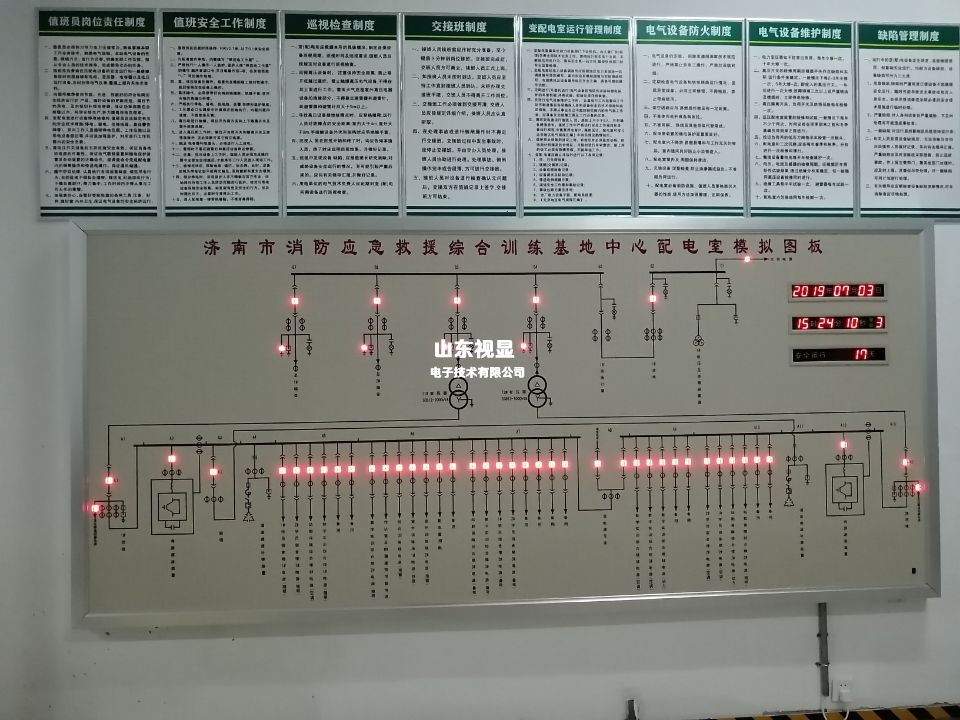
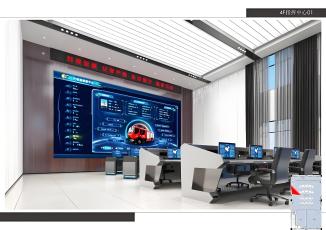
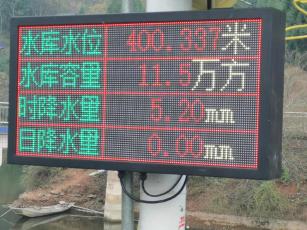
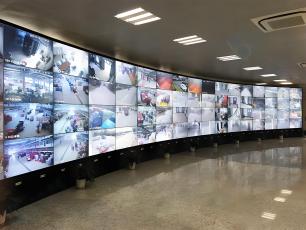
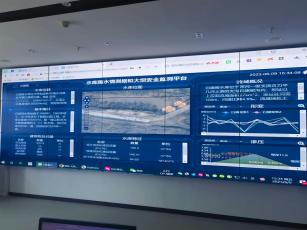
It is widely used in industrial scenarios such as chemical production lines, metallurgy smelting workshops, automobile manufacturing assembly lines, and food processing workshops. In chemical production, it can real-time display reactor temperature, pressure, liquid level and other parameters, helping operators adjust processes in time to avoid safety accidents. In metallurgy workshops, it can present blast furnace smelting temperature, material feeding amount and other data to ensure the stable smelting process. In automobile manufacturing assembly lines, it can monitor equipment operation status and station rhythm to improve production line coordination efficiency. In food processing workshops, it can display sterilization temperature, packaging speed and other parameters to ensure products meet quality standards. In addition, it can be used in industrial training centers as production process teaching equipment to help students familiarize themselves with industrial control system operations.








 Post RFQ


 Chat
Chat


 ALL CATEGORIES