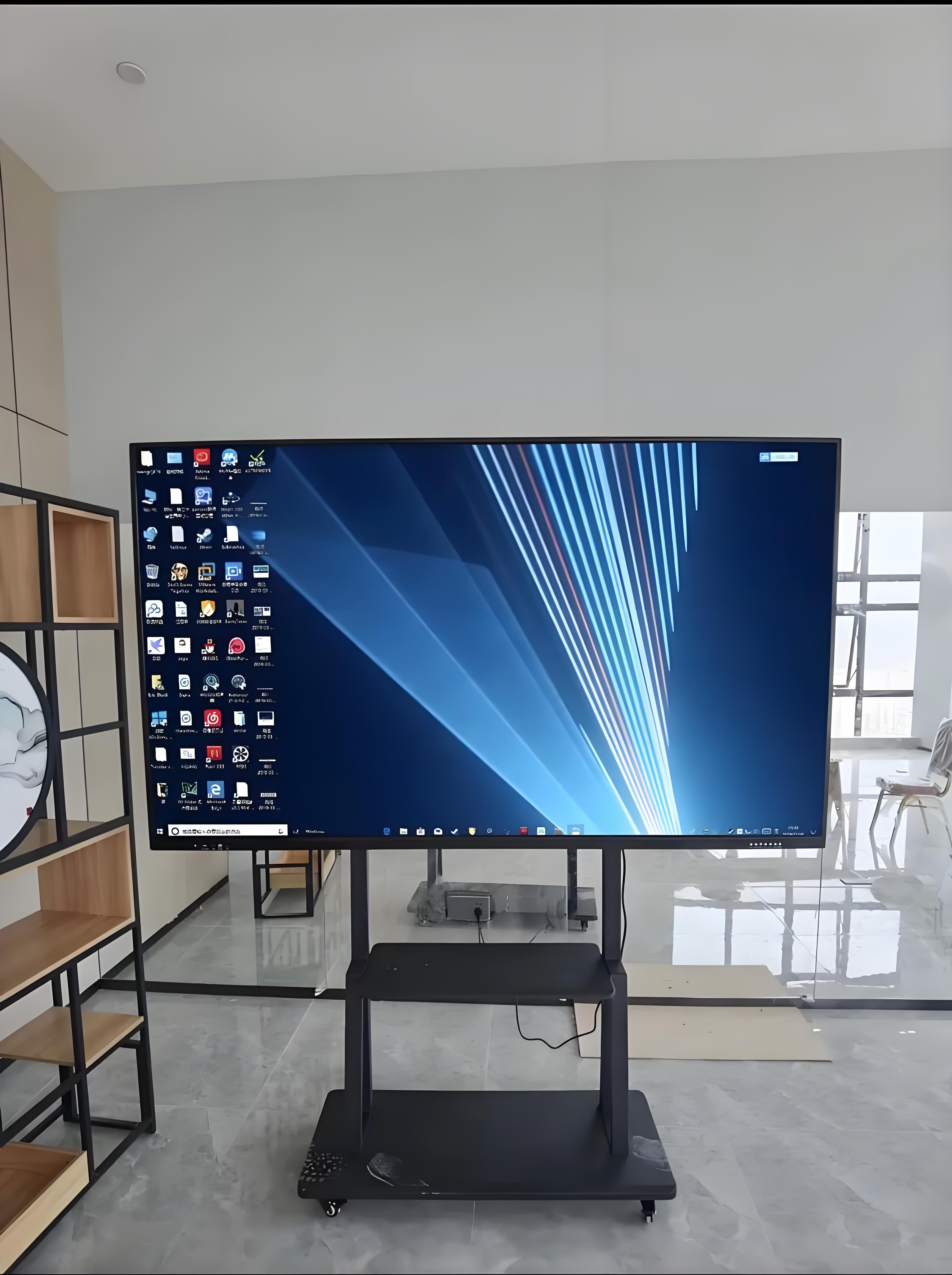
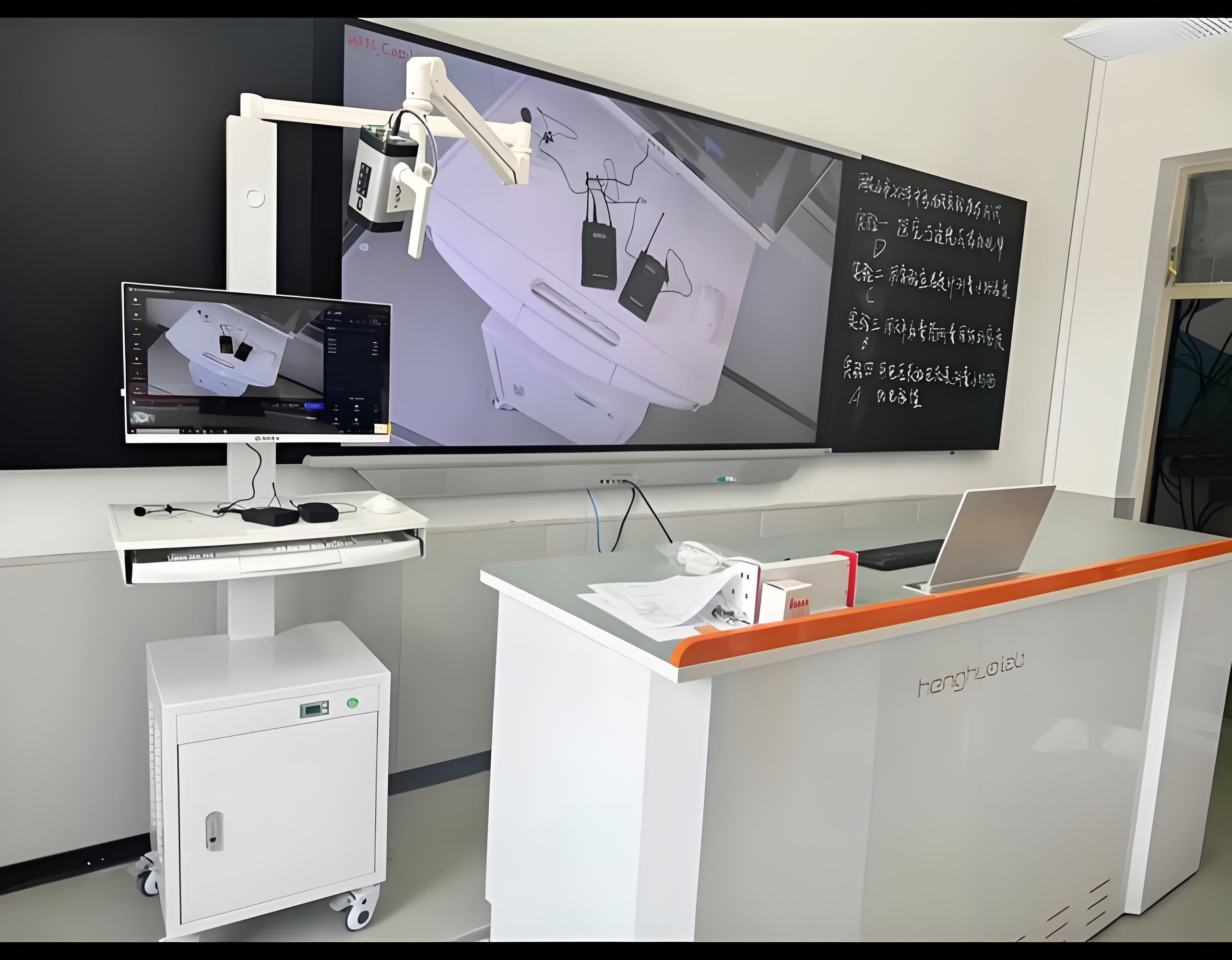


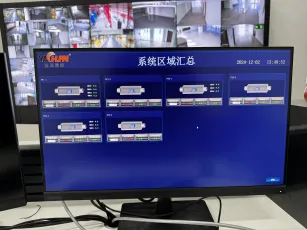
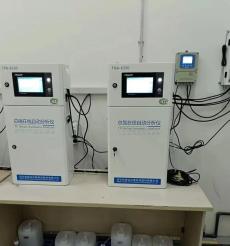
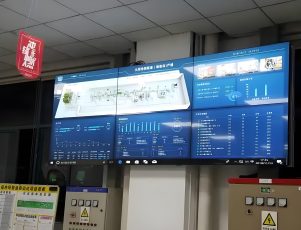
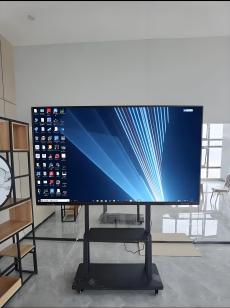
The core feature is the portable design, with a total weight of ≤8kg and a foldable bracket, which can be quickly moved and arranged, solving the pain point of fixed installation and poor flexibility of traditional teaching analog screens. The 178° full viewing angle and 1920×1080 high-definition resolution ensure that multiple groups of students in the laboratory can clearly observe experimental data. It supports dual input interfaces of HDMI and USB, which can connect to various teaching tools such as experimental benches, PC simulation software, and PLC training equipment, adapting to different experimental scenario needs. The low-power design has a total power consumption of ≤50W, which can reduce laboratory energy costs during long-term use. Made of ABS environmental-friendly material, it is odorless and wear-resistant, meeting laboratory safety standards. It supports one-click switching of display modes, which can quickly switch experimental scenarios and data interfaces to improve teaching efficiency.
The screen size is 43 inches, with length 970mm × height 560mm × thickness 30mm, weight ≤8kg, equipped with a foldable metal bracket, supporting desktop placement and wall-mounted installation. The display resolution is 1920×1080, brightness is 300cd/㎡, viewing angle is 178° (horizontal/vertical), and color reproduction rate is ≥92%. The input interfaces include 1 HDMI 2.0 and 2 USB 3.0, which can connect to experimental benches, PCs, PLCs and other equipment. The power supply mode supports dual modes of AC 220V±10% and DC 12V, adapting to different power supply environments of the laboratory. The working temperature range is 0℃~35℃, and the storage temperature is -10℃~40℃. The power consumption is ≤50W, and the standby power consumption is ≤2W. The material is ABS environmental-friendly plastic, with scratch-resistant surface treatment and hardness of 2H. The certifications include ROHS environmental certification and CE safety certification, meeting teaching equipment safety standards.
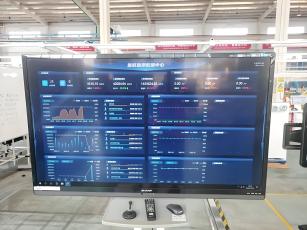
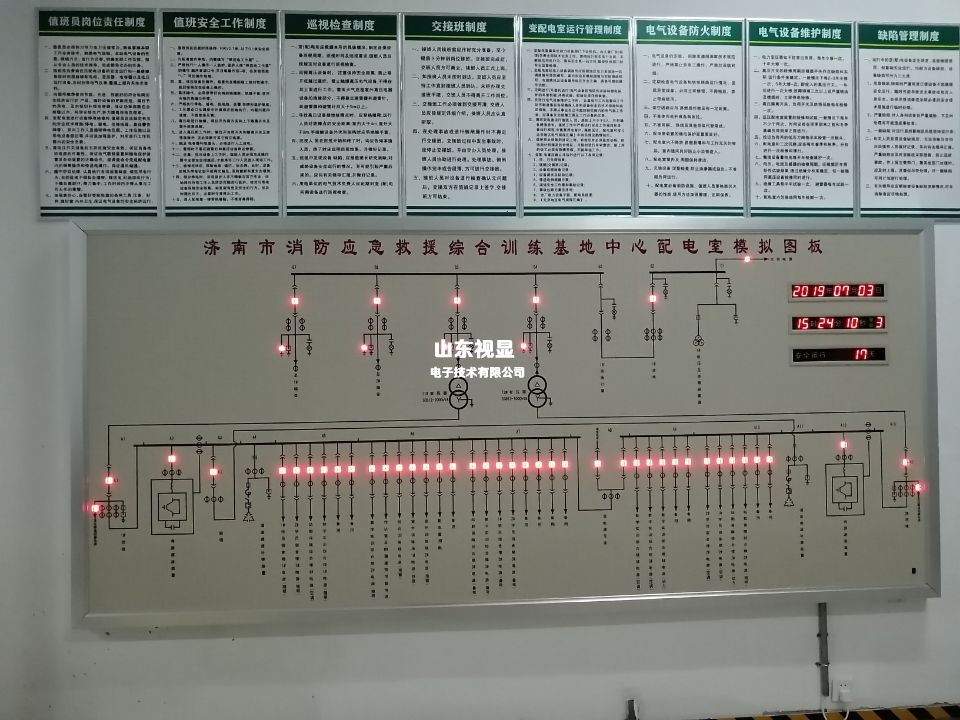
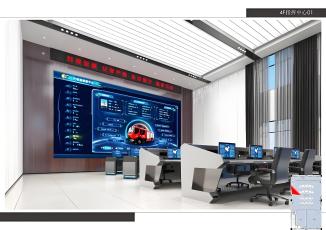
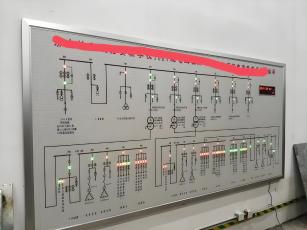
It is widely used in educational scenarios such as university electrical automation laboratories, power engineering training centers, and vocational college skill training bases. In electrical professional experiments, it can display circuit operation parameters, PLC program status, and sensor data, helping students intuitively understand circuit principles and automatic control processes. In power engineering training, it can simulate power grid operation status, substation wiring diagrams, and fault alarm information, improving students' practical operation and fault troubleshooting capabilities. In scientific research demonstrations, it can display experimental data, simulation results, and process dynamics, assisting researchers in result display and communication. In addition, it can be used in internal skill training of enterprises as employee practical training equipment to improve employees' professional skill levels.








 Post RFQ


 Chat
Chat


 ALL CATEGORIES