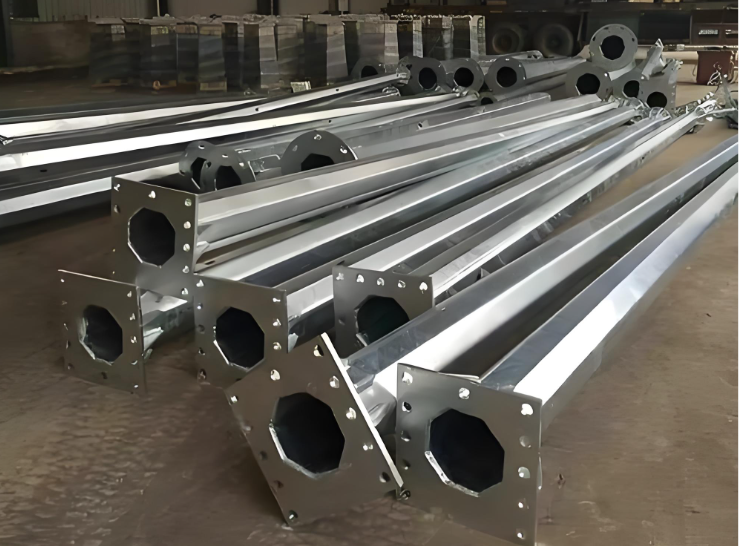
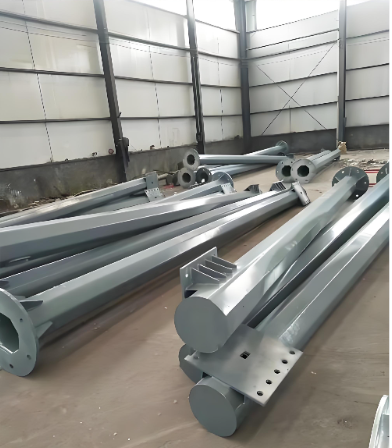






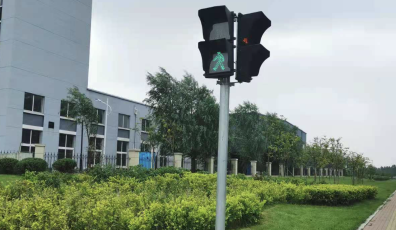
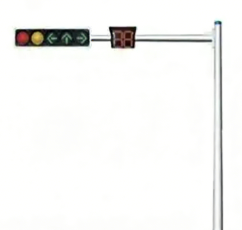
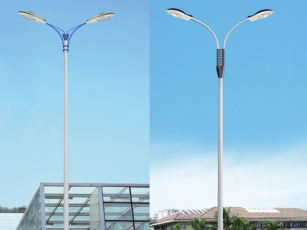
Crafted from Q355 high-tensile structural steel, this pole offers 20% higher tensile strength than Q235 steel, supporting up to 500kg of heavy equipment including multiple high-voltage cables, transformers, and telecommunication antennas. Its octagonal shape distributes wind and ice loads more evenly than round poles, withstanding gusts up to 160km/h and ice loads of 20kg/㎡ with a 2.0 safety factor, critical for snow or typhoon-prone regions. The hot-dip galvanization with a 120μm minimum thickness passes 1500 hours of salt-spray testing, providing superior corrosion resistance for coastal or industrial areas. It supports both direct-buried and flange-mounted installation, catering to diverse terrain and project requirements. Variable height and diameter options allow customization for specific needs, from 15m poles for low-voltage distribution to 25m poles for high-voltage long-distance transmission. Unlike wooden poles that rot or concrete poles that are hard to install, this steel pole offers a 30+ year lifespan with minimal maintenance, reducing lifecycle costs by 40%.
Height options include 15m, 18m, 20m, 22m, and 25m variants, with top diameters ranging from 120mm (15m) to 160mm (25m) and bottom diameters from 280mm (15m) to 380mm (25m). Wall thickness increases with height: 6mm for 15m-18m poles, 8mm for 20m-22m poles, and 10mm for 25m poles, ensuring structural rigidity for heavy loads. The hot-dip galvanization process adheres to GB 50017-2017 standards, with a 120μm minimum zinc coating thickness to resist rust and chemical corrosion. Wind resistance is tested to 160km/h in wind tunnel trials, with a 2.0 safety factor for extreme weather resilience. Ice load capacity is rated at 20kg/㎡, supporting heavy snow accumulation without structural failure. Direct-buried installation requires a 2m-deep concrete foundation, while flange-mounted installation uses a 600x600mm flange with 8 M24 bolts. All poles undergo tensile strength, zinc adhesion, load-bearing, and wind tunnel tests to meet ISO 9001 certification requirements.
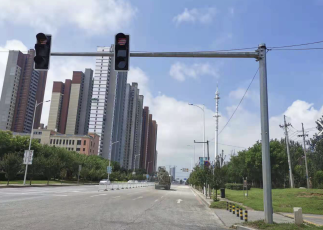
Primarily used in high-voltage power transmission lines connecting power plants to substations and distributing electricity to urban and rural areas. Telecommunication providers install it to support cell phone towers, microwave antennas, and broadband equipment, ensuring reliable signal coverage in remote regions. Rural electrification projects rely on it to extend power lines to villages and farms, where durable, long-lasting infrastructure is essential. Mountainous regions and rough terrain benefit from its robust structure, which withstands strong winds and heavy snowfall. Industrial zones and power plants use it for internal power distribution lines, supporting heavy transformers and switchgear. Coastal power transmission lines rely on its superior corrosion resistance to avoid premature degradation in high-salt environments. It also integrates with smart grid projects, accommodating monitoring sensors to detect faults and ensure uninterrupted power supply.








 Post RFQ


 Chat
Chat


 ALL CATEGORIES