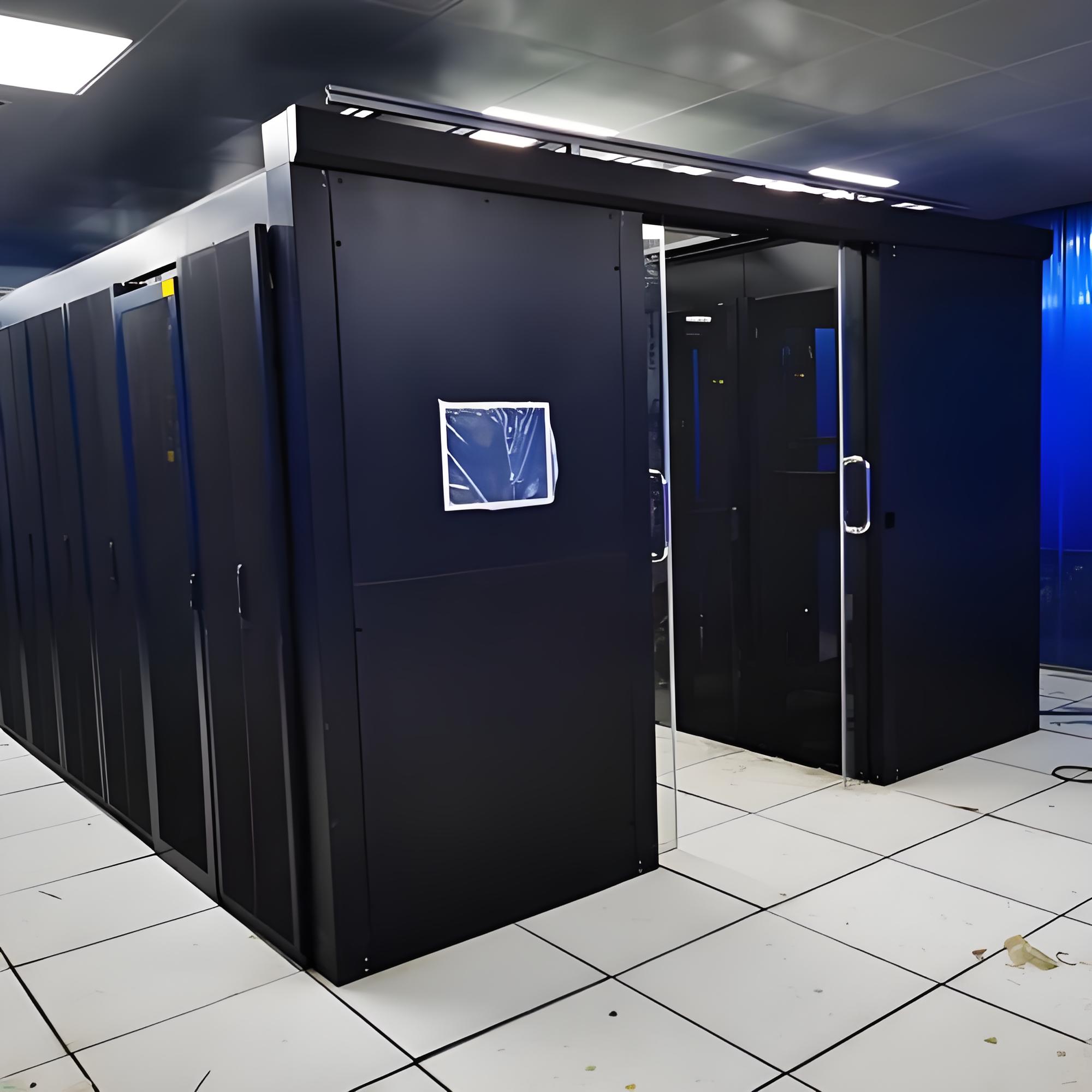
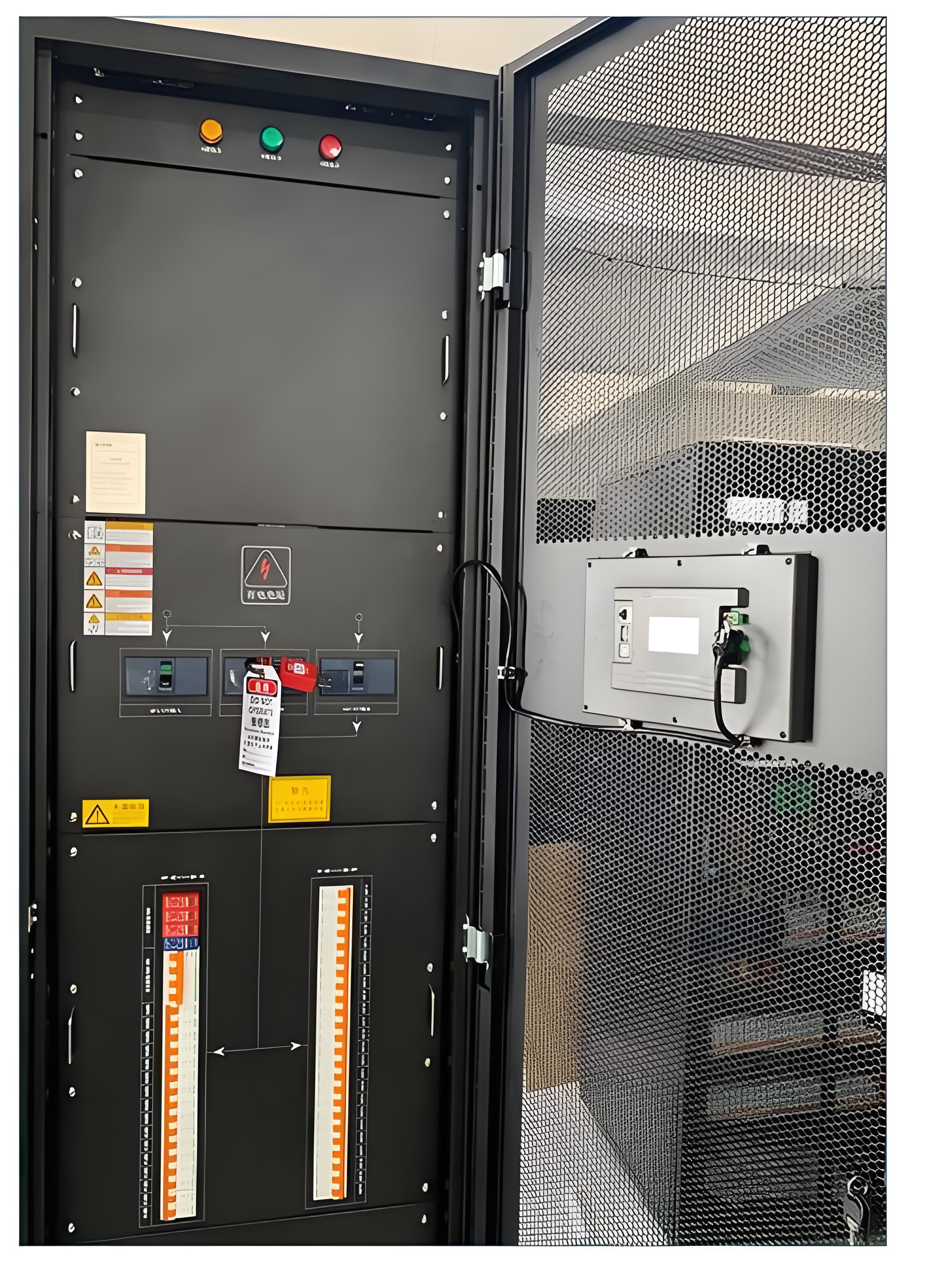





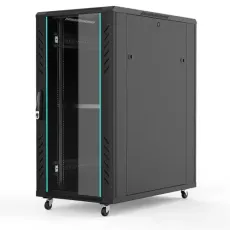
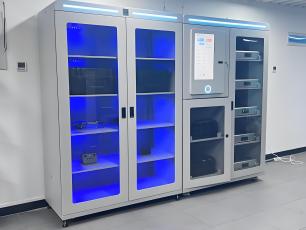
The cabinet’s high-density design supports a 42U equipment installation space within a 2200mm height, helping to maximize the use of data center vertical space. The N+1 redundant power supply system automatically switches to backup modules within 0.01 seconds if the main PDU fails, helping to eliminate the risk of server downtime. Integrated with a precision temperature sensor array, it adjusts the speed of front and rear fans dynamically to maintain an 18-24℃ internal operating temperature, helping to prevent hotspots that can cause server performance degradation. The anti-static cold-rolled steel body reduces electrostatic interference to sensitive electronic devices, while the modular structure allows for quick expansion of cooling or power modules without disrupting ongoing operations, addressing the scalability needs of growing data centers.
With an overall dimension of 2200mm (height) × 1000mm (width) × 800mm (depth), the cabinet has a net weight of 260kg. Its main body uses 2.5mm thick cold-rolled steel with anti-static epoxy spraying, meeting TIA-942 fire resistance standards. The maximum static load capacity is 1200kg, and the dynamic load capacity is 900kg. The front-to-back cooling system consists of 4 variable-speed fans with a total air volume of 6000m³/h, achieving a heat dissipation capacity of 15kW. The 48-port PDU supports 100-240V AC input with overcurrent, overvoltage, and short-circuit protection. The cloud monitoring system integrates with SNMP protocols, allowing seamless connection to existing data center management platforms, and operates within a temperature range of -10℃ to +35℃.
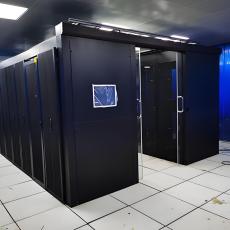
Primarily used in large-scale data centers, cloud computing facilities, and colocation centers where high-density deployment and reliable operation are required. In hyperscale data centers, it supports the installation of high-performance servers, storage arrays, and network switches, optimizing space utilization and helping to reduce cooling costs. For colocation service providers, its modular design allows for customized power and cooling configurations to meet diverse client needs. It is also suitable for enterprise-level data centers that require predictive maintenance and remote monitoring capabilities, designed to support high uptime for critical business systems. Additionally, it can be deployed in AI computing clusters to support high-power GPU servers with stable power supply and efficient heat dissipation.








 Post RFQ


 Chat
Chat


 ALL CATEGORIES