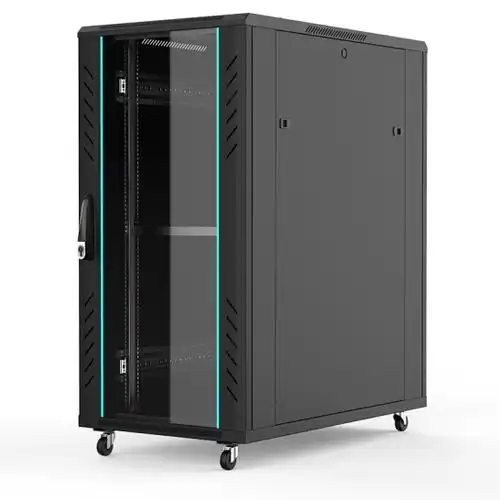
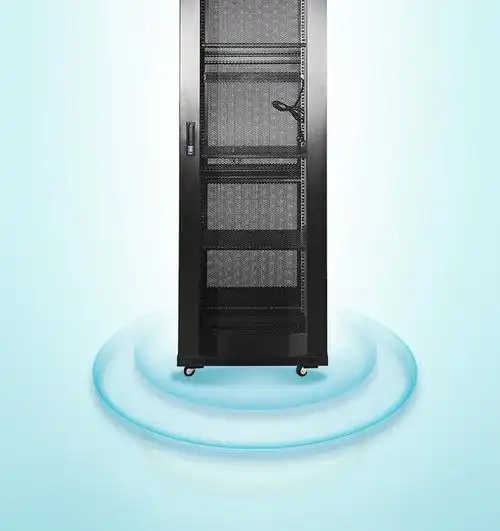





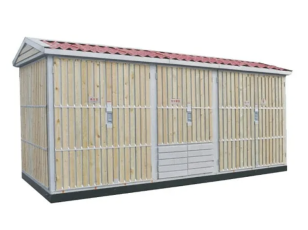
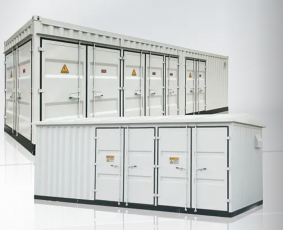
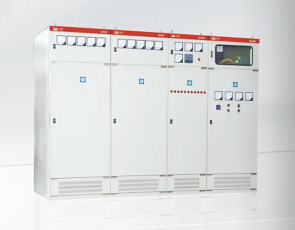
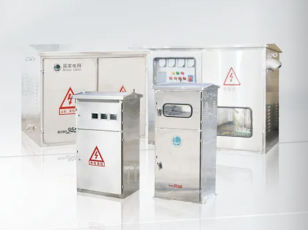
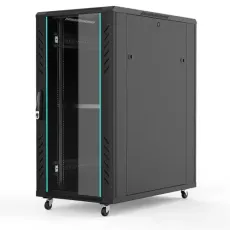
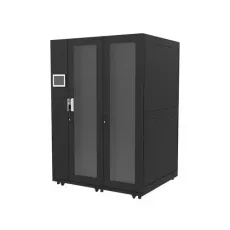
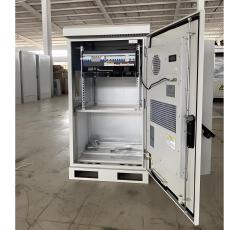
This power cabinet stands out with its high structural stability, boasting a 1500kg static load capacity to support heavy-duty server and storage equipment. The front-to-back ventilation design aligns with cold-aisle cooling strategies, directing cool air to device intakes and hot air to exhausts, eliminating hot spots that can degrade performance. Integrated vertical cable trays with adjustable clamps enable neat cable organization, reducing the risk of accidental disconnections and simplifying troubleshooting. The IP20 protection grade prevents dust and small foreign objects from entering, safeguarding sensitive internal components. Its quick-assembly structure allows for on-site installation in less than 30 minutes, minimizing downtime. Additionally, the cabinet supports optional side panels and lockable doors for enhanced security, protecting equipment from unauthorized access. Unlike generic racks, it is pre-configured to meet ANSI/EIA-310-D standards, so no additional adapters are needed for 19-inch hardware.
The cabinet has an overall height of 2000mm (42U), width of 600mm, and depth of 1000mm, providing ample space for deep-server hardware. The main frame is constructed from 1.2mm thick cold-rolled steel, while mounting rails use 1.5mm thick steel for added durability. Static load capacity reaches 1500kg evenly distributed, with a dynamic load capacity of 1000kg. Front and rear doors feature mesh panels with 70% and 65% ventilation rates respectively, ensuring efficient air circulation. It comes with 4 adjustable mounting rails, supporting equipment installation at 1U increments. The cabinet weighs 85kg net, with a gross shipping weight of 100kg. Operating temperature range is -10°C to 40°C, and relative humidity ranges from 10% to 90% (non-condensing). It includes 2 vertical cable trays, each with 10 cable management slots, and lockable front/rear doors with keyed access.
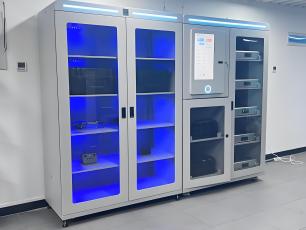
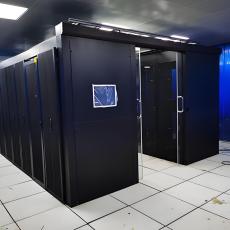
This power cabinet is ideal for a wide range of small to medium-scale IT environments, including SME office network closets, educational institution computer labs, retail store back-office server rooms, and regional bank branch data centers. It is commonly used to deploy web servers, file servers, network switches, firewalls, and UPS systems. In educational settings, it supports student project servers and campus network infrastructure. In retail, it powers point-of-sale (POS) servers and inventory management systems. For remote office locations, it provides a compact, secure hub for connecting to corporate headquarters via virtual private networks (VPNs). It also serves as a secondary equipment rack in larger data centers for non-critical backup systems, offering a cost-effective way to expand capacity without full-scale facility upgrades.







 Post RFQ


 Chat
Chat


 ALL CATEGORIES