



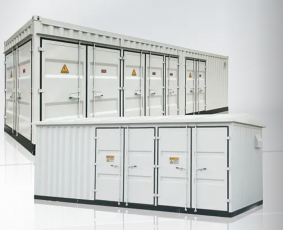
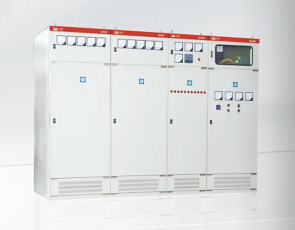


Suitable for Zone 1 and Zone 2 hazardous areas with explosive gas atmospheres.
Suitable for explosive gas atmospheres of Groups IA, IIB and IIC.
Suitable for Zone 21 and Zone 22 hazardous areas with combustible dust atmospheres.
Suitable for combustible dust atmospheres of Groups IIIA, IIIB and IIIC.
Suitable for temperature classes T1 to T6 (T4).
Widely used in hazardous environments such as petroleum exploitation, oil refining, chemical industry, textile, military industry, as well as offshore oil platforms and oil tankers.
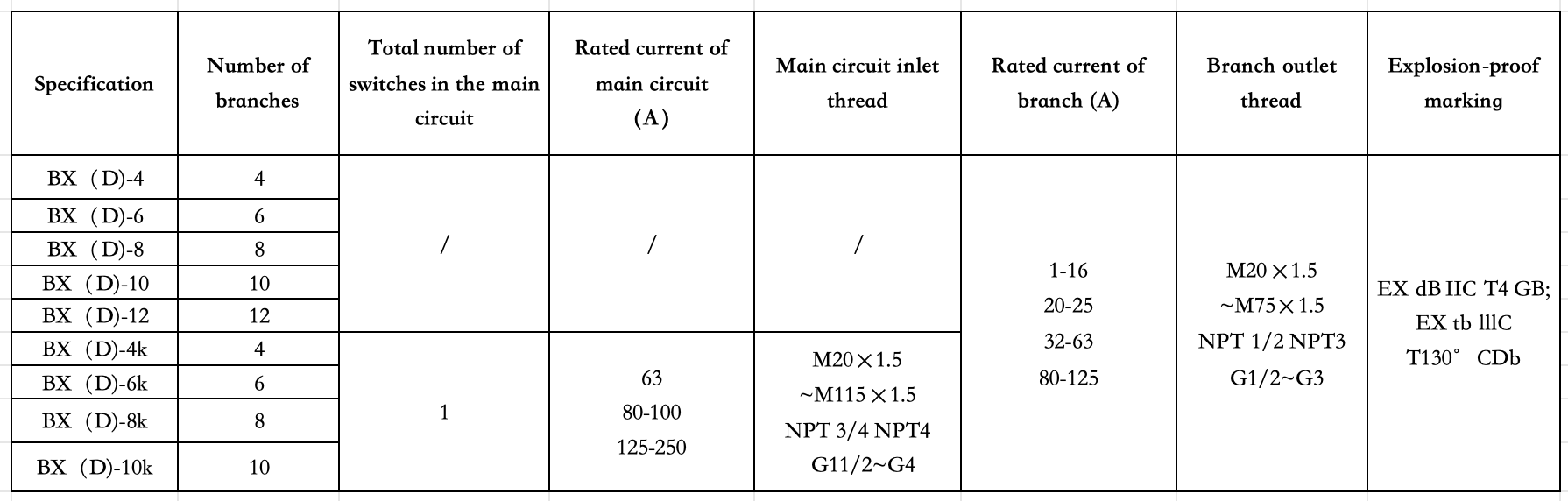
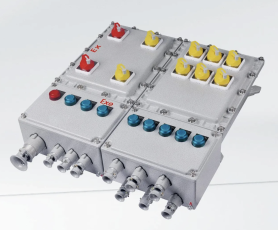
The enclosure is die-cast from aluminum alloy or welded from steel plate (stainless steel), with surface treated by high-voltage electrostatic powder spraying.
This series is available in two structures:
a) Composite structure: flameproof main chamber and increased-safety wiring chamber;
b) Flameproof structure, with 6 specifications for selection.
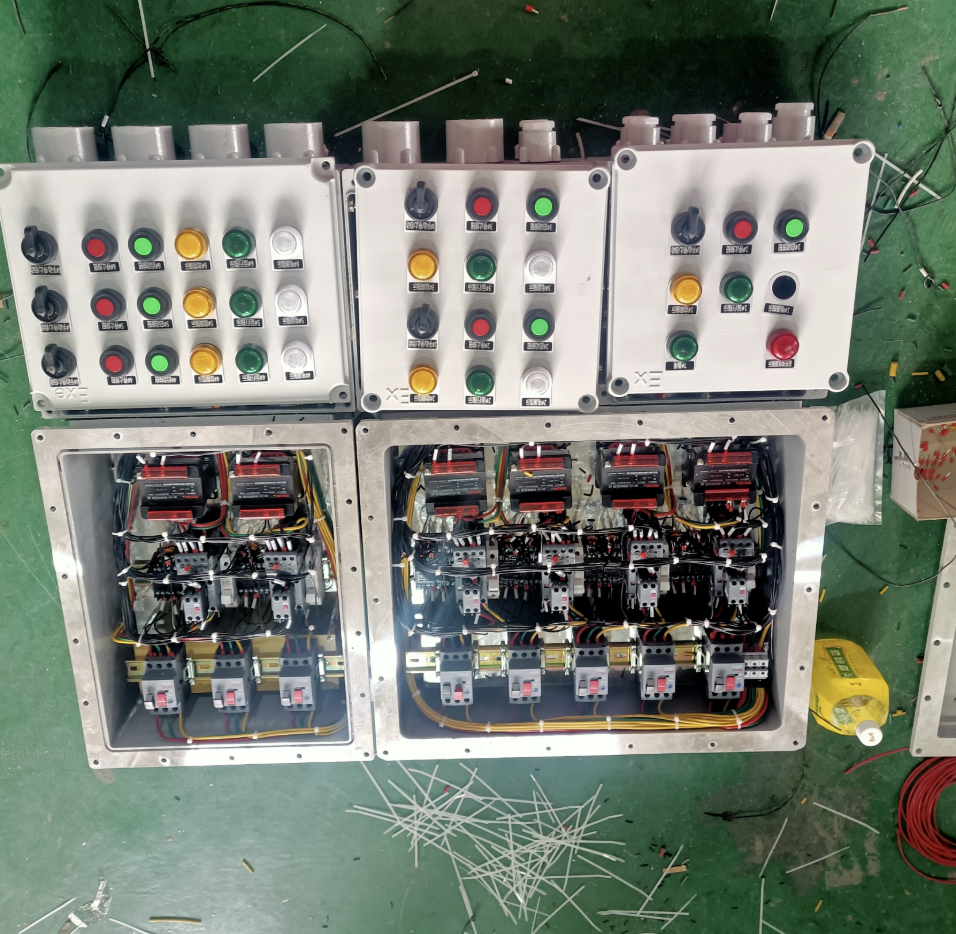
The aluminum alloy enclosure adopts a modular design, allowing free combination of various circuits.
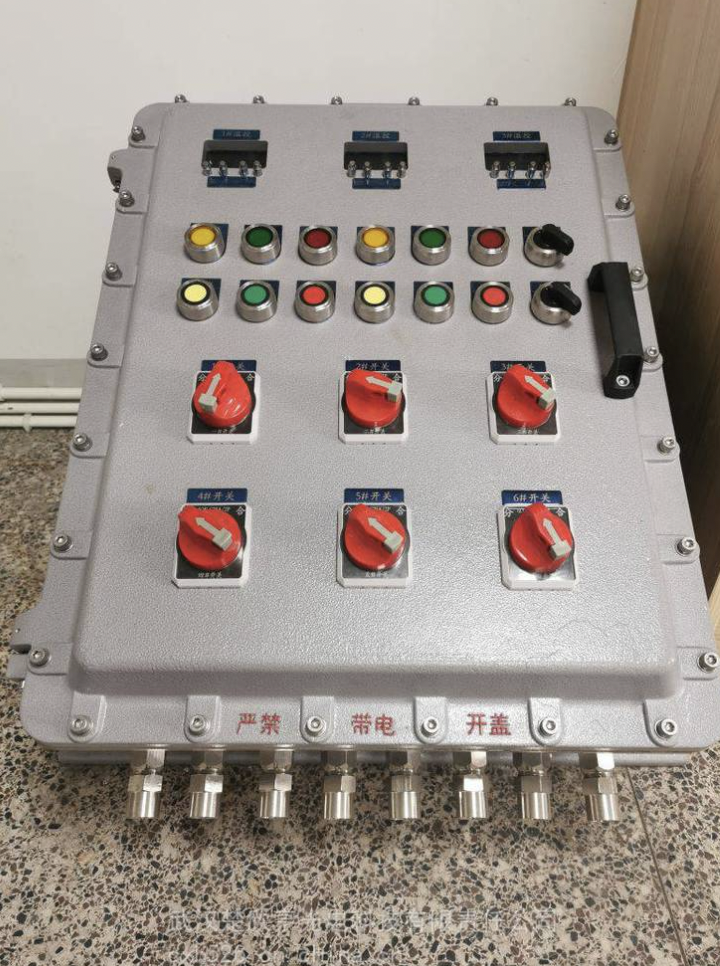
Equipped with high-breaking miniature circuit breakers or moulded case circuit breakers, which can be switched on and off via handles on the enclosure cover.
Fitted with signal indicators for power-on status.
Provided with overload and short-circuit protection. Products with earth-leakage protection can be manufactured upon customer request.
Can be used for distribution and switching of lighting circuits or power circuits separately, or for both simultaneously.
Supports steel pipe wiring or cable wiring.
The optimal solution can be customized according to customer requirements and manufactured after confirmation.
Please specify any other special requirements.
To order a BXM(D) explosion-proof lighting (power) distribution box with:
4 branch circuits, 20A branch current, equipped with main switch of 100A, bottom entry and bottom exit,
1 cable entry of G1 1/2" and 4 entries of G3/4",
the ordering model shall be: BXMD-4/20K100×1G11/2×4G3/4
Explosion-proof marking: Ex db eb IIC T6 Gb; Extb IIIC T80℃ Db
When ordering, clearly indicate the current of each branch circuit, the quantity and direction of cable entries and exits.
If a main switch is required, specify its current rating. For earth-leakage protection or special instruments, additional instructions are required.
Generally, customers must provide the electrical schematic diagram.











 Post RFQ


 Chat
Chat


 ALL CATEGORIES