Basic Info
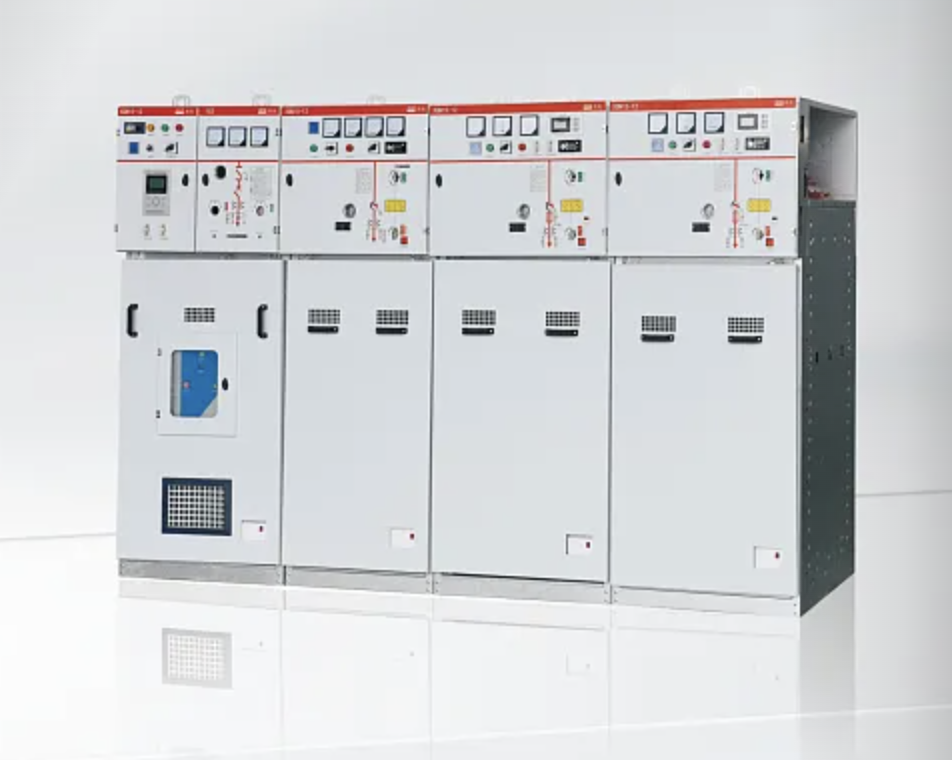
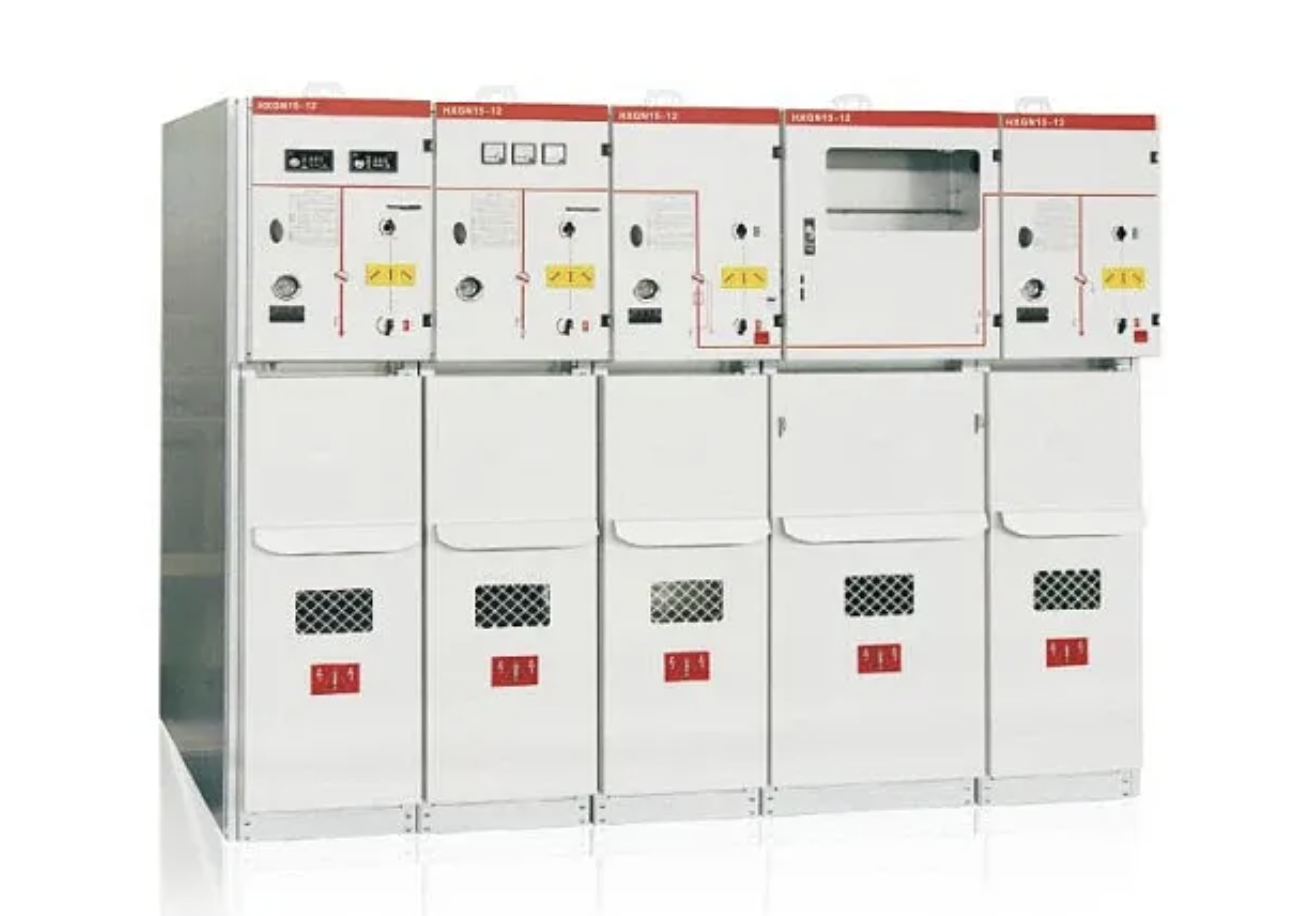
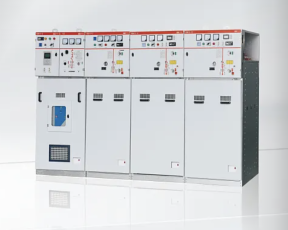
HXGN15-12(F) and HXGN15-12(F·R) box-type fixed AC metal-enclosed switchgear (hereinafter referred to as "switchgear") are designed for ring-network or radial power supply systems with a rated voltage of 12 kV and a rated current of 630 A or below. They are particularly suitable for installation in prefabricated substations to serve as control and protection equipment in power systems. The switchgear is equipped with insulated-enclosure FLN36-12D SF₆ load break switches or FLRN36-12D load break switch-fuse combinations. Featuring compact dimensions, light weight, simple operation, low operating force, reliable interlocking and maintenance-free performance, it is a new generation of high-voltage switchgear required for urban power grid renovation and construction.
This product complies with the following standards:
GB 3906 AC Metal-Enclosed Switchgear for Rated Voltages of 3 kV to 35 kV;
GB/T 11022 Common Specifications for High-Voltage Switchgear and Controlgear Standards;
IEC 298 AC Metal-Enclosed Switchgear and Controlgear for Rated Voltages Above 1 kV and Up to and Including 50 kV;
DL/T 404 Technical Requirements for Indoor AC High-Voltage Switchgear Orders.
Customer reviews

John · Energy Consultant
I've recommended the HXGN15-12 to several clients looking for efficient ring main units. Its energy-efficient design and compliance with international standards make it a trustworthy option. The switchgear's ability to integrate seamlessly with existing systems has been particularly beneficial for clients upgrading their infrastructure.
Emily · Purchasing Manager
From a procurement perspective, the HXGN15-12 offers excellent value for money. Its competitive pricing, coupled with the long service life and minimal maintenance requirements, makes it a cost-effective choice for our operations. The supplier's after-sales support has also been responsive, addressing any queries promptly.
Product Description
Normal Operating Conditions
Ambient air temperature:-15℃to+40℃
Altitude: 2500 m and below
Humidity conditions:
- Daily average relative humidity≤95%,daily average water vapor pressure≤2.2 kPa
- Monthly average relative humidity≤90%,monthly average water vapor pressure≤1.8 kPa
Seismic intensity:No more than 8 degrees
Installation site free from obvious pollution such as corrosive or flammable gases
Note:If the normal operating conditions specified above are exceeded,the user may consult with our company.
Structural Features
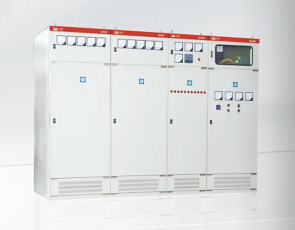
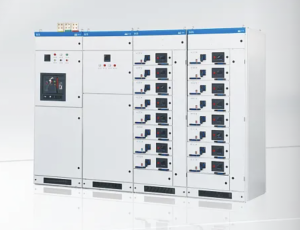
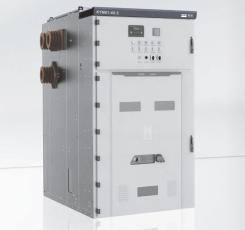
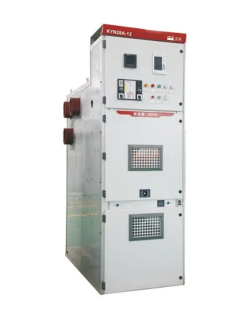
The switchgear consists of the cabinet body,main switch(SF₆load break switch or combined electrical apparatus),earthing switch,instrument compartment,busbars,as well as other electrical components and auxiliary parts.
The cabinet is fabricated and assembled from aluminum-zinc coated steel plates in modularized form.A pressure relief channel is provided at the rear of the cabinet to protect operators in case of internal faults.
The busbars in the busbar chamber are covered with composite insulation and directly connected to the terminals of the load break switch.The three-phase busbars are arranged longitudinally,allowing arbitrary left and right extension of the switchgear and easy modification of its layout.
The instrument compartment is located at the upper part of the switchgear,where ammeters,voltmeters,indicator lights,motor operating mechanisms and other devices can be installed.
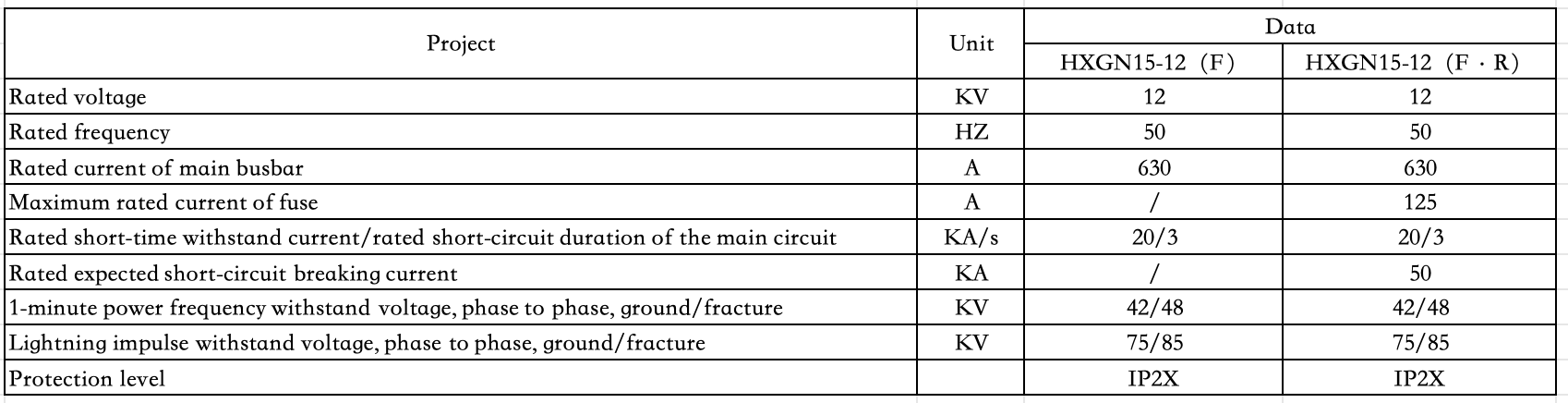
Technical Specifications
Frequently Asked Questions (FAQ)
Q:How does HXGN15-12 ensure operational safety?
A:Equipped with mechanical interlocks, visible isolation points, and SF6 gas insulation to prevent arc faults. Complies with IEC 62271-200 standards for high-voltage switchgear safety.
Q:What maintenance is required for HXGN15-12 switchgear?
A:Routine checks include SF6 gas pressure monitoring, contact resistance tests, and mechanical operation verification. Annual inspections by certified technicians are recommended.
Q:Why choose HXGN15-12 over conventional switchgear?
A:Offers 30% space savings, 20-year lifespan, and maintenance-free SF6 modules. Its ring main design reduces outage times during grid faults, enhancing system reliability.











 Post RFQ


 Chat
Chat


 ALL CATEGORIES