Basic Info
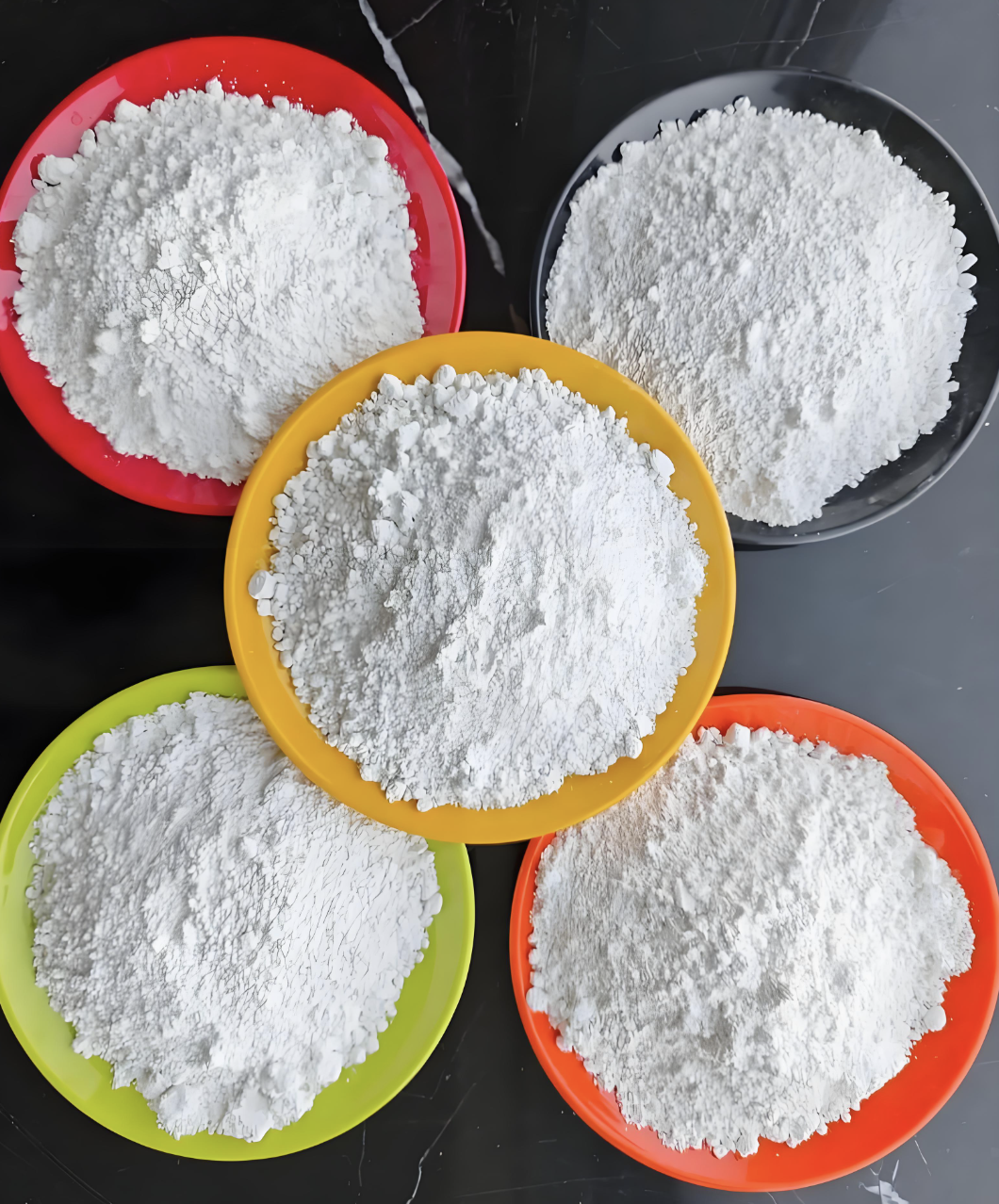
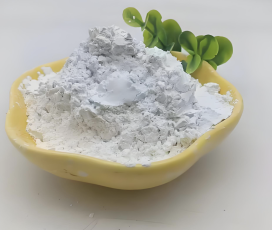
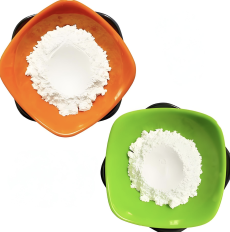
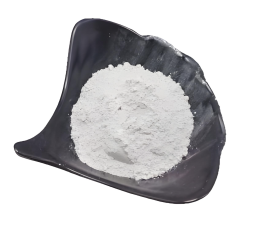
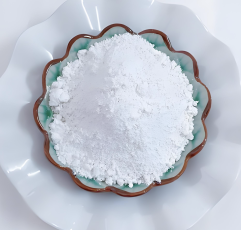
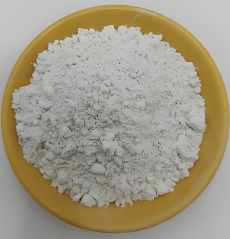
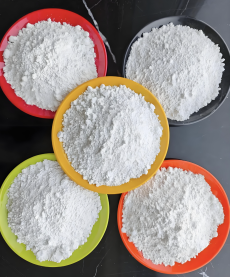
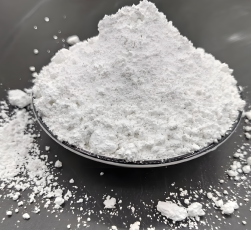
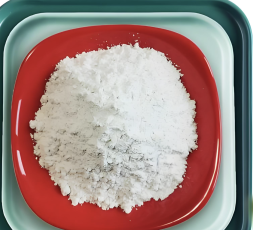
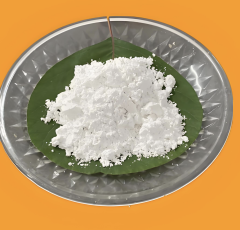
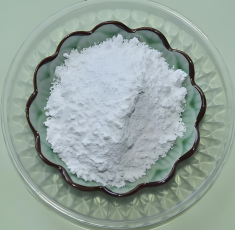
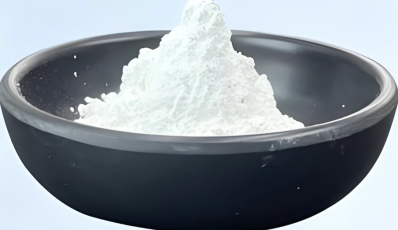
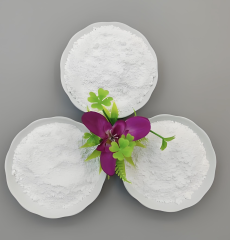
This ceramic-grade calcined kaolin is designed for high-end architectural ceramics and sanitary ware production. Its core advantage is high purity, excellent sintering activity and stable hue, which can improve the density, gloss and flexural strength of ceramic products. It mainly serves ceramic sanitary ware and antique brick production enterprises, solving the problems of ceramic body foaming and uneven color caused by traditional kaolin.
Customer reviews

Maria Garcia · Ceramic Tile Production Manager
The Calcined Kaolin for High-end Ceramic Tiles has transformed our product quality. In porcelain tile manufacturing, it provides exceptional whiteness and thermal stability during firing, reducing warpage and defects. The material's controlled particle size distribution ensures uniform shrinkage and excellent mechanical strength in the final product. We've noticed a significant improvement in surface finish quality, with enhanced resistance to chemical attack and staining. This has allowed us to compete effectively in the premium tile segment with consistent product performance.
Product Description
Product features:
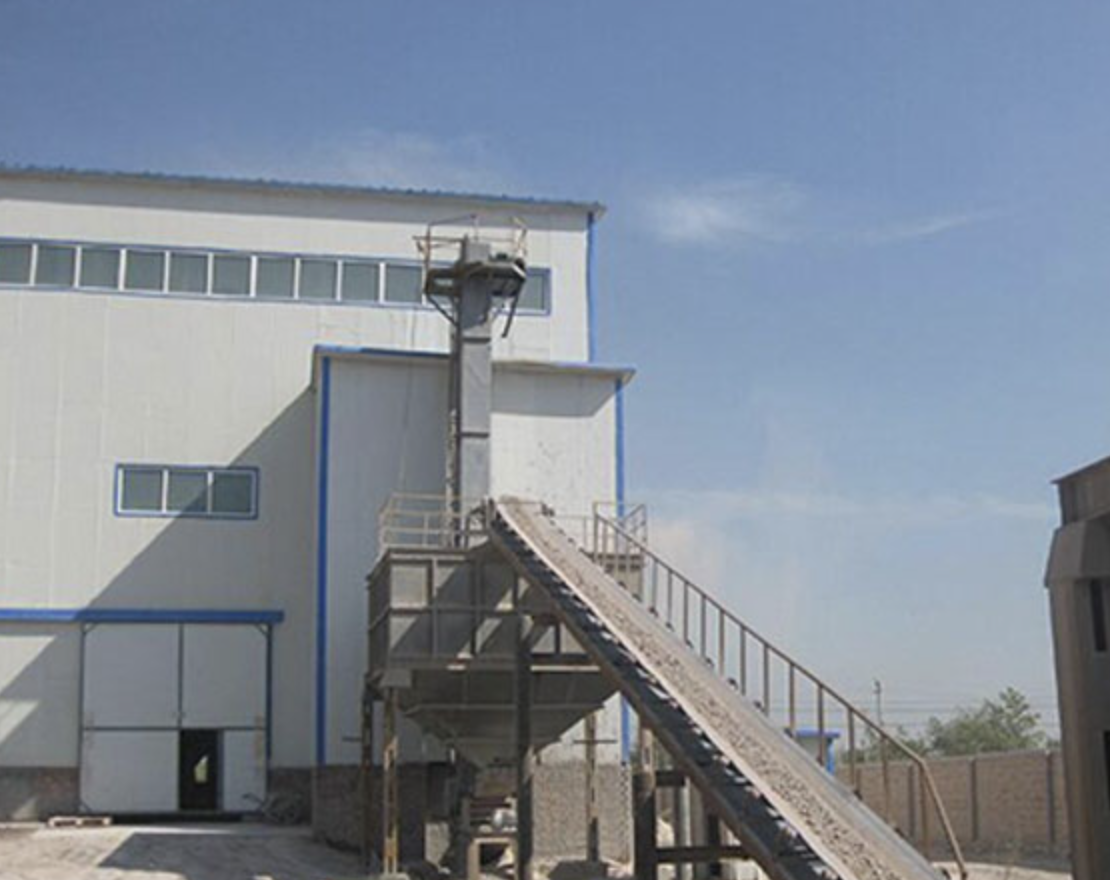
Produced through tunnel kiln high-temperature calcination process, the calcination temperature and holding time are strictly controlled to ensure uniform grain development. The particles are spherical-like, which can be evenly dispersed in ceramic body and glaze, reducing the drying shrinkage rate of the body by 15% and improving the qualification rate of ceramic finished products. The extremely low iron content avoids dark spots or yellowing of ceramic products, and it is suitable for the production of high-end ceramic products such as full-glaze polished tiles and antique bricks.
Product specifications:
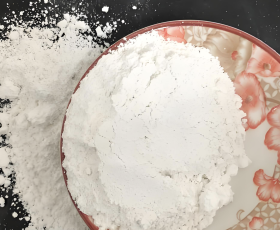
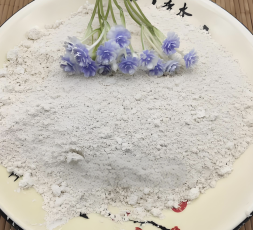
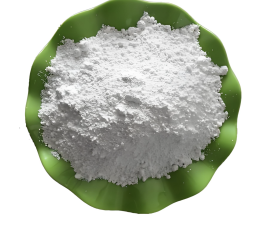
The alumina content is 39.0%, iron oxide content is 0.05%, whiteness is 93.2% ISO, particle size D50=0.6μm, D90=1.4μm, thermal expansion coefficient is 4.1×10^-6/℃, sintering activity is 97.8%, refractoriness is 1760℃, moisture is 0.35%, bulk density is 0.70g/cm³, 325 mesh sieve residue is 0.002%. It is packaged in 1 Ton/Pallet moisture-proof ton bags.
Product application:
It is used as a filler additive for architectural ceramic bodies and glazes, raw material filling for sanitary ware production, and can also be used as a matrix material for special ceramics such as electronic ceramics. It is suitable for various ceramic firing processes such as roller kiln and shuttle kiln, helping ceramic enterprises improve product appearance quality and service life.
Frequently Asked Questions (FAQ)
Q:What makes Calcined Kaolin suitable for High-end Ceramic Tiles?
A:High-end Ceramic Tiles use Calcined Kaolin for its high refractoriness (PCE 34-36), low shrinkage (<5%), and uniform particle distribution. It boosts tile strength (MOR >50MPa), whiteness (L* >95), and glaze adhesion in vitrified tiles.












 Post RFQ


 Chat
Chat


 ALL CATEGORIES