Basic Info
This is not a traditional fixed high mast light,but a temporary towering lighting structure built from professional aluminum truss,widely used in large concerts,festivals,TV galas,and product launches.It provides a highly flexible,load-bearing aerial platform for suspending numerous stage lights,speakers,and even video equipment,serving as the core structure for creating dynamic visual effects.
Product Description
Features
Core strengths are modularity,light weight,and high safety.Truss sections connect quickly via pins or bolts to form towers,ground supports,etc.They offer a high strength-to-weight ratio,supporting hundreds of kilograms of equipment and wind loads.Designs comply with strict entertainment industry safety standards.Can be paired with chain hoists or winches for raising/lowering entire arrays,facilitating setup and programming.
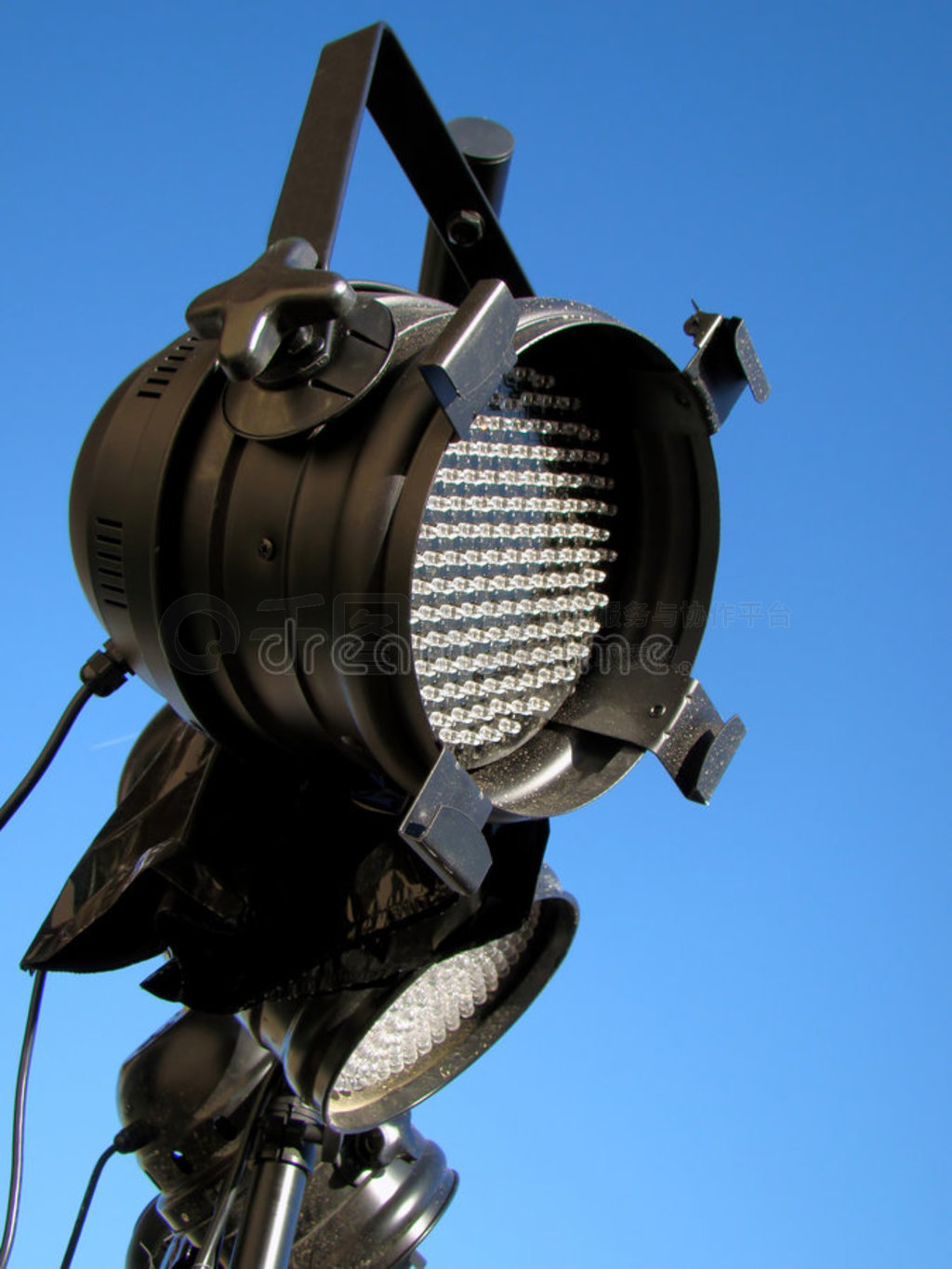
Specifications
Truss comes in various cross-sections(e.g.,S62,S52,S40)for different loads.All components require regular mechanical inspection.Rigging plans must be approved by a certified structural engineer based on local wind and load conditions.Electrical distribution uses professional entertainment systems(e.g.,"socapex")to ensure safe power and stable signal(DMX512,Art-Net)transmission for high-wattage fixtures.
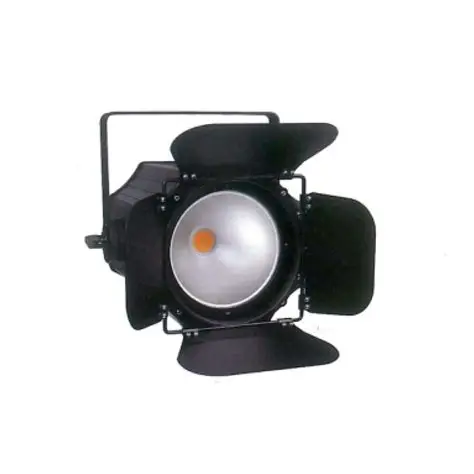
Applications
Exclusively for large-scale temporary events.Serves as backdrop lighting,side wash towers,or front-of-house lighting grids.The key difference from fixed high mast lights is its temporary nature,artistry,and dynamism;the lighting itself is part of the performance,programmable for complex movement,color,and pattern changes.
Frequently Asked Questions (FAQ)
Q:How do temporary high masts ensure quick and stable installation for events?
A:Use modular trailer-mounted or base-weighted structures.Employ hydraulic/pneumatic systems for rapid lifting.Ground bearing capacity must be assessed,and guy wires or outriggers used for wind stability.
Q:How to provide differentiated lighting for stage,audience,and areas?
A:Achieve zoning via multi-mast layouts and varied optics.Stage needs high illuminance and CRI;audience needs uniform,soft ambient light;areas require safe lighting,all without interference.
Q:How does the temporary lighting system coordinate with stage lighting and audio to avoid power interference?
A:Should have power distribution on different phases from audio.Use power conditioners and ensure proper grounding.Route cablesly,avoiding close parallel runs with signal cables.
Q:What are the rain and wind resistance requirements for event high masts?
A:Luminaires require at least IP65.Masts and lifting mechanisms must operate safely and lock in specified winds(e.g.,Beaufort 6).Include real-time wind monitoring with auto-alert and lowering functions.
Q:How to control lighting to minimize impact on nearby residents and ecology?
A:Use cutoff optics to strictly control beam direction and spill light.Set automatic shut-off or dimming times post-event.In sensitive natural areas,use specific spectra to reduce insect attraction.
Q:How to efficiently recover and maintain equipment after the event?
A:Follow a standardized recovery checklist.After quick disassembly,inspect luminaires,cables,and mechanical parts for cleaning and storage.Record and replenish consumables(e.g.,lamps)and wear parts.











 Post RFQ


 Chat
Chat


 ALL CATEGORIES