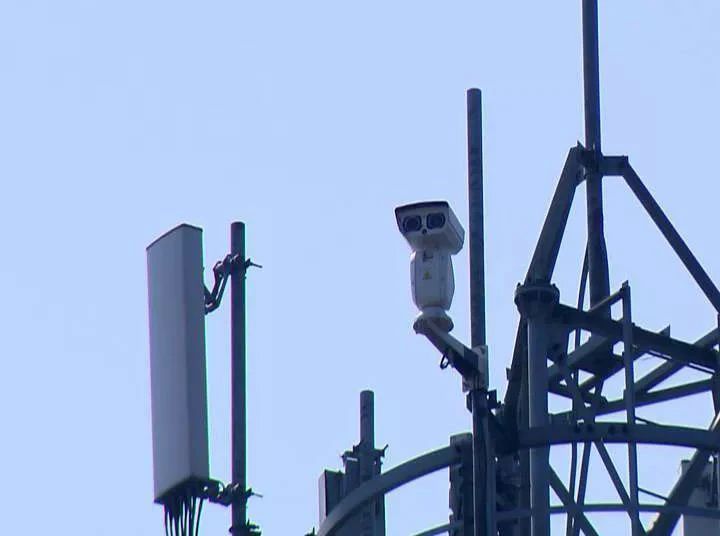
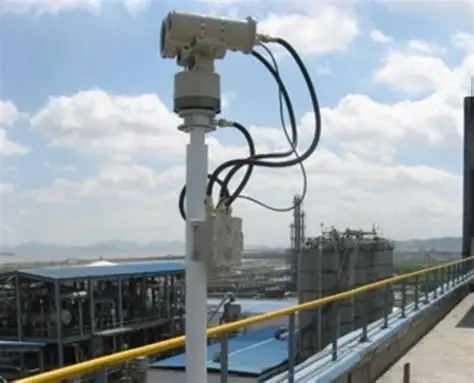





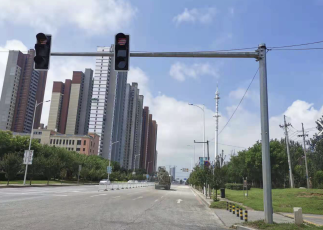

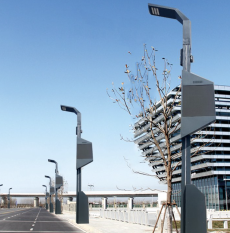
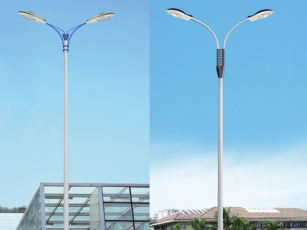
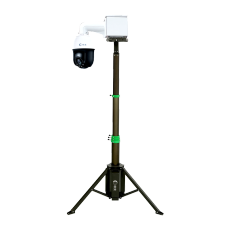
The core features of this explosion-proof monitoring pole include its 304 stainless steel construction, which provides exceptional corrosion resistance and mechanical strength, making it suitable for harsh chemical environments. Its passivation treatment and PTFE coating meet ISO C5-H extreme corrosion resistance standards, protecting against acid, alkali, and salt corrosion, ensuring a 35-year service life. The explosion-proof certified flange foundation and junction box meet Exd IIB T4 Gb explosion-proof standards, ensuring safe operation in Zone 1 and Zone 2 explosive atmospheres. The intrinsically safe wiring system prevents electrical sparks from igniting explosive gases, providing comprehensive safety protection. Its reinforced construction enables it to withstand wind speeds up to 130km/h, ensuring stable operation in coastal oil refineries and chemical plants. The IP68 protection grade ensures full immersion in water up to 1.5 meters for 30 minutes, making it suitable for use in heavy rain and flood-prone areas. The adjustable mounting bracket supports explosion-proof PTZ cameras and thermal imaging systems, providing flexible positioning to cover critical processes and equipment. It also features a static dissipation terminal to eliminate static electricity buildup, reducing the risk of ignition in explosive environments.
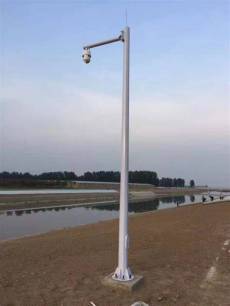
The Explosion-proof Chemical Plant Surveillance Pole has a total height of 9 meters, with a tapered pole body made of 304 stainless steel, featuring an upper diameter of 150mm and a lower diameter of 220mm, and a wall thickness of 7mm for exceptional mechanical strength. The pole weighs 220kg, requiring an explosion-proof certified flange foundation with dimensions of 900mm (length) × 900mm (width) × 1100mm (depth) for secure mounting. The passivation treatment and PTFE coating provide ISO C5-H extreme corrosion resistance, protecting against acid, alkali, and salt corrosion. The explosion-proof junction box meets Exd IIB T4 Gb standards, with a flameproof enclosure that prevents electrical sparks from escaping into the explosive atmosphere. The intrinsically safe wiring system uses shielded cables and explosion-proof connectors, ensuring compliance with international explosion-proof regulations. The adjustable mounting bracket supports a maximum load of 80kg, compatible with all major brands of explosion-proof PTZ cameras and thermal imaging systems. The static dissipation terminal is connected to a 2.5m copper grounding rod, ensuring static electricity is safely discharged to the ground. The pole is painted with RAL5010 gentian blue PTFE coating, with a thickness of 70-80μm for enhanced weather and chemical resistance. It operates reliably in temperatures ranging from -45°C to 70°C, making it suitable for most hazardous industrial environments.
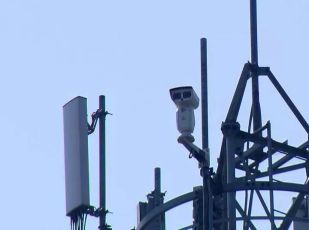
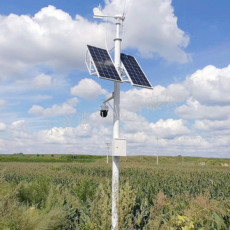
This explosion-proof monitoring pole is specifically designed for hazardous industrial environments, including chemical plants, oil refineries, gas processing facilities, and pharmaceutical manufacturing plants, where explosive gases or flammable dusts are present. It is an essential component of industrial safety systems, providing 24/7 surveillance coverage of critical processes, storage tanks, and equipment to prevent accidents and ensure compliance with OSHA, ATEX, and IECEx safety regulations. It is suitable for use in Zone 1 and Zone 2 explosive atmospheres, where standard monitoring equipment poses a risk of ignition. Oil and gas operators can use it to monitor offshore platforms, pipeline terminals, and refinery yards, while chemical plant managers benefit from its extreme corrosion resistance and long service life. It can also be used in mining operations and paint manufacturing facilities, where flammable dusts are present. The pole integrates seamlessly with explosion-proof surveillance systems, enabling remote monitoring of critical operations and real-time alerts for safety hazards. Additionally, it can be customized to meet specific project requirements, such as adjusting pole height, adding additional explosion-proof sensors, or modifying coating materials to meet unique chemical resistance needs.








 Post RFQ


 Chat
Chat


 ALL CATEGORIES