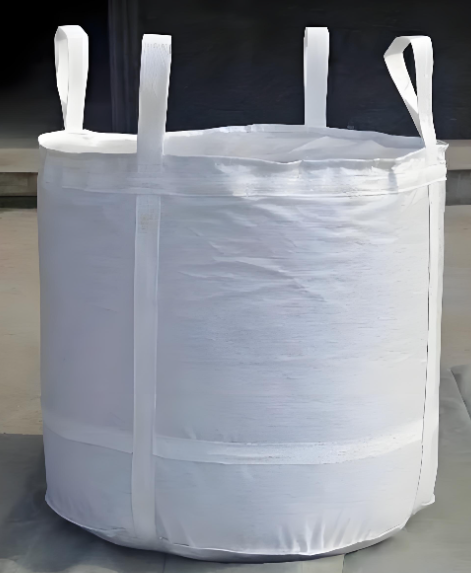





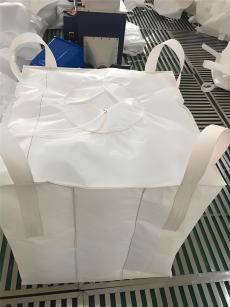
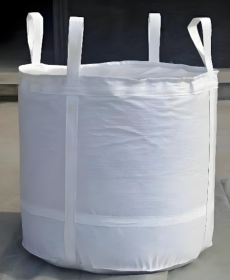

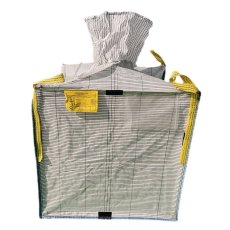
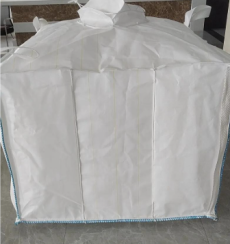

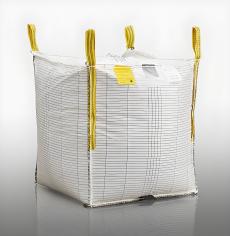
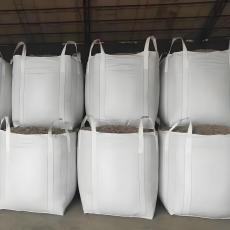
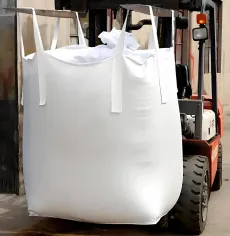
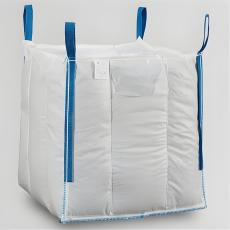
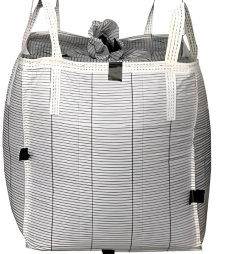
This ton bag addresses the critical safety pain points of transporting flammable chemical materials. The embedded conductive fibers create a continuous conductive path, reducing the surface resistance to below 10^6Ω, which effectively eliminates static electricity buildup and prevents dust explosions. The ATEX II 3GD explosion-proof certification ensures that the bag meets EU hazardous area safety standards, making it suitable for use in Zone 21 and Zone 22 hazardous locations. The circular top lifting slings provide maximum load balance, preventing bag tipping during lifting, and the fully enclosed flange discharge spout ensures a tight seal to prevent leakage of harmful chemical materials. The 220gsm thick fabric delivers high tear resistance and impact resistance, protecting the bag from damage during rough handling. The UV 70+ coating provides 8+ months of outdoor storage without fabric degradation, extending the service life to 5 cyclic uses.
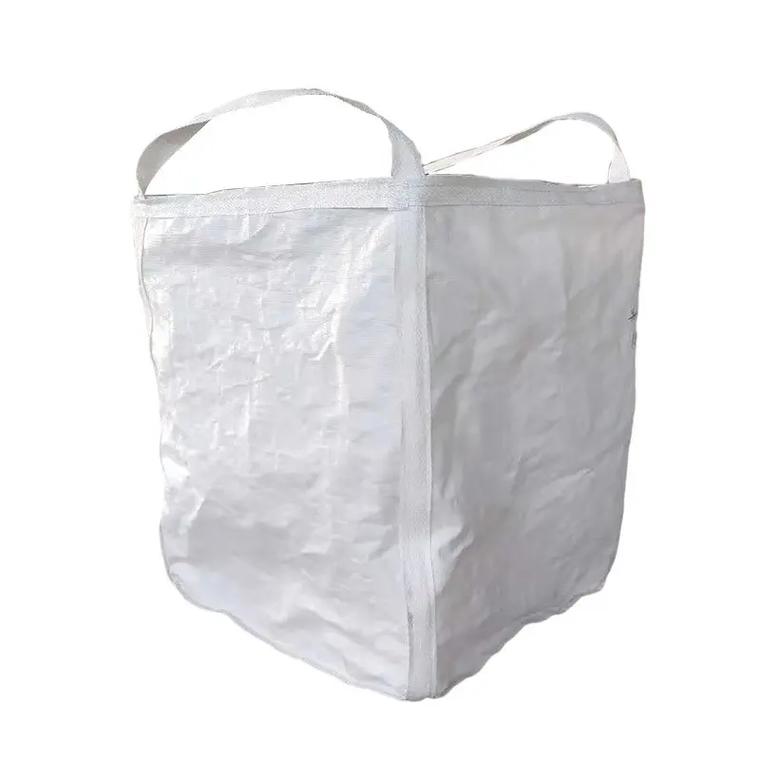
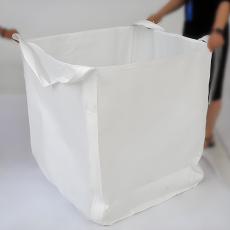
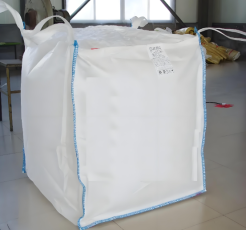
The ATEX certified explosion-proof chemical ton bag has finished dimensions of 100cm x 100cm x 140cm, with a fabric thickness of 220gsm. It features two 15cm wide circular top lifting slings, each with a length of 140cm, capable of withstanding a maximum lifting load of 1650kg with a 10% safety margin. The fully enclosed flange discharge spout has a diameter of 10cm and is equipped with a metal sealing flange to prevent leakage of chemical materials. The empty bag weight is approximately 8.5kg, and the folded size is 50cm x 50cm x 30cm. It is compatible with specialized hazardous material handling equipment, and can be used in both indoor and outdoor hazardous work environments.
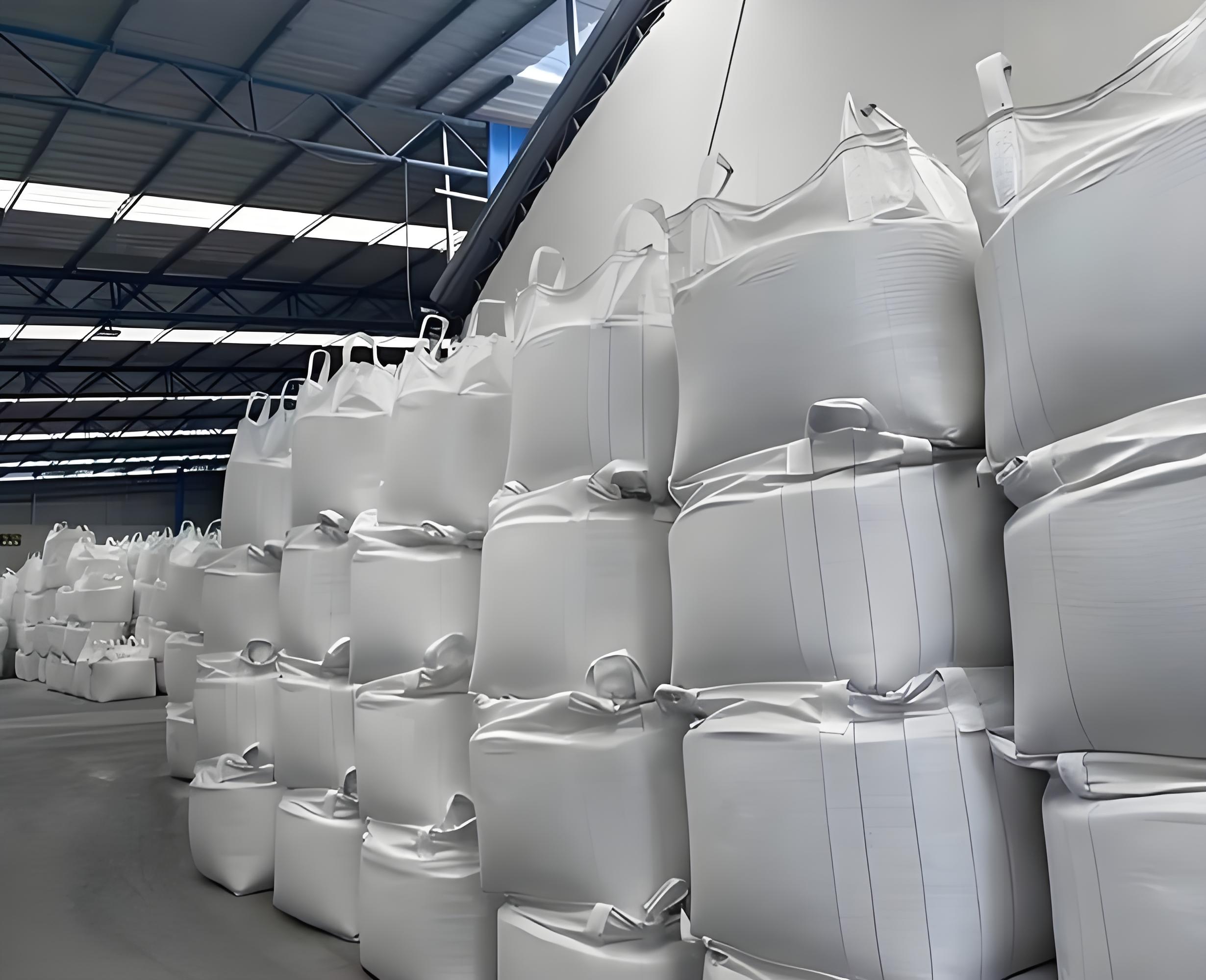
This explosion-proof ton bag is primarily suitable for chemical plants, petroleum processing facilities, mining industries, and explosive material storage scenarios. Typical use cases include transporting flammable chemical powders, solvent granules, coal dust, and other hazardous bulk goods. It is compliant with EU ATEX explosion-proof safety standards, making it suitable for use in Zone 21 and Zone 22 hazardous locations. It should not be used for highly toxic materials or materials with a temperature exceeding 60℃, and must be handled in accordance with hazardous material transportation regulations.







 Post RFQ


 Chat
Chat


 ALL CATEGORIES