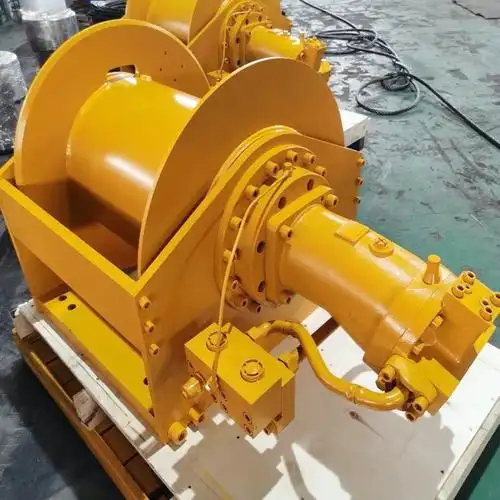
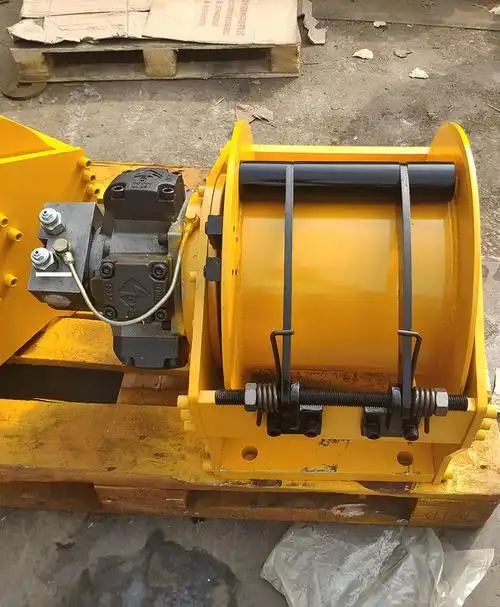



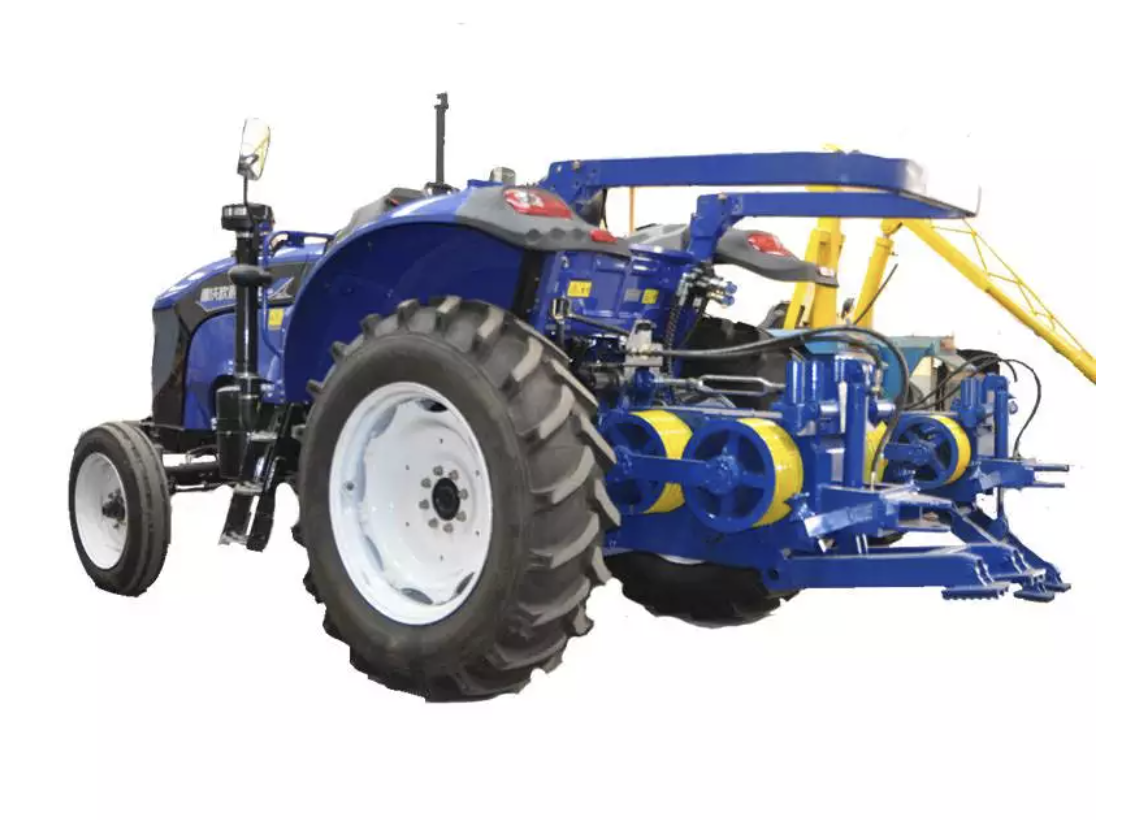
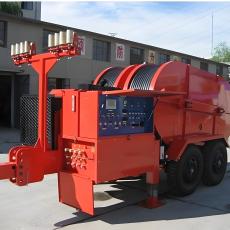
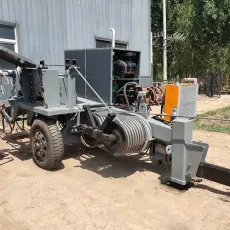
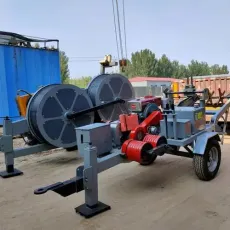
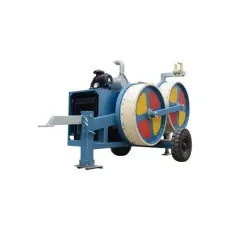
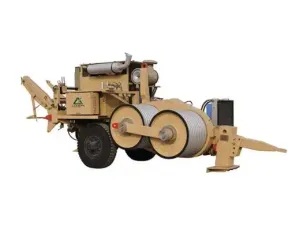
The core highlight lies in the adoption of 316L stainless steel overall material, which has excellent salt fog corrosion resistance, suitable for the high humidity and high salt fog operating environment of the ocean, and the service life is 3 times longer than that of ordinary carbon steel traction machines. It adopts marine AC hydraulic pump, which is compatible with the 220V/380V AC power system of ships, and can run directly connected to the ship's power grid without additional power units. It is equipped with hydraulic safety brake, which can lock the rope at any position to prevent ship shifting. It has overload protection and overvoltage protection mechanisms, which automatically stops the equipment when the rope tension exceeds the standard, avoiding rope breakage. Compared with similar marine traction machines, it adopts modular design, which is easy to install and can be quickly fixed on the special mounting racks of ship decks or port terminals. It is equipped with remote control device, allowing operators to complete mooring operations at a safe distance, avoiding potential safety hazards caused by wave turbulence.
The overall dimensions of the whole machine are 1600mm×700mm×900mm, with a net weight of 520kg. The maximum rated traction load is 10000kg. The traction rope is compatible with 18mm diameter polyester fiber rope or galvanized steel wire rope, with a total length of 100m. The traction speed can be adjusted from 4m/min to 12m/min. The power input is 220V/380V AC power supply, which is compatible with the power systems of ships and port terminals. The protection grade reaches IP68, which can be used completely immersed in water, and complies with CCS marine product certification standards. It is equipped with audible and visual alarm device, which sends an early warning when the rope tension reaches 90% of the rated value. The deck fixed mounting has a bolt hole spacing of 800mm×500mm, which is compatible with the mounting requirements of most ship decks.
The target industries include shipbuilding, port terminals, yacht marinas, offshore engineering and other scenarios. Typical usage scenarios include: pulling mooring ropes to fix positions during ship mooring, pulling container trailer ropes in port terminals, pulling yachts to dock berths in yacht marinas, and dragging lifting ropes on offshore engineering platforms. Compared with traditional manual rope winches, this equipment can realize large-load and high-efficiency traction, without the need for multiple people to cooperate, greatly improving the operation efficiency of ship mooring and port loading and unloading. At the same time, it has excellent corrosion resistance, can be used in the marine environment for a long time, and does not require frequent maintenance.








 Post RFQ


 Chat
Chat


 ALL CATEGORIES