


A core technical highlight of this product is the integrated manual hydraulic pump and self‑locking hydraulic cylinder design, which helps deliver stable traction without extra power sources. The self‑locking mechanism can lock traction force at most stroke positions, lowering risks related to heavy load sliding and addressing issues where traditional winches may lack precise stopping and often need dedicated staffing. High‑strength alloy steel used in the traction arm and cylinder body helps balance light weight and strong load capacity; with a total weight of around 28kg, the unit can be conveniently carried and relocated by a single person. A 5‑meter high‑pressure hydraulic hose supports multi‑directional traction operations, while the IP54 protection rating makes it suitable for outdoor dusty environments and light rain. Compared with many similar products, this unit adds anti‑slip grips and overload protection valves to help enhance operational safety, making it a practical choice for emergency traction in small engineering projects, field operations, and related scenarios.
The overall dimensions of the whole machine are 850mm (length) × 320mm (width) × 250mm (height), with a net weight of 28kg. The maximum rated traction load is 5000kg, and the maximum cylinder stroke is 300mm. The traction speed can be controlled in the range of 5mm/s to 15mm/s. The equipped high-pressure hydraulic hose has a diameter of 10mm and a length of 5m. The operating handle is made of anti-slip rubber material, which has a comfortable grip. The safety factor reaches 4:1, which complies with EU CE safety standards. The applicable ambient temperature range is -10℃ to 50℃, and the protection grade reaches IP54, which can effectively block dust and mild water spray intrusion. The standard hook adopts a rotary quick-release design, which is suitable for a variety of traction anchor points. The manual hydraulic pump has a displacement of 12mL per stroke, and each press can increase the cylinder stroke by about 10mm.
The target industries include municipal engineering, small industrial assembly, agricultural and forestry machinery maintenance, outdoor rescue and other scenarios. Typical usage scenarios include: shifting small pipeline equipment during municipal maintenance, pulling small agricultural machinery in farms, dragging trapped small vehicles such as electric bicycles and small pickup trucks in outdoor rescue, and accurately pulling small workpieces in place in industrial assembly lines. Compared with traditional rope traction, this equipment can achieve accurate control of traction force, avoid damaging the equipment surface, and can complete the operation without the cooperation of multiple people, greatly improving work efficiency.



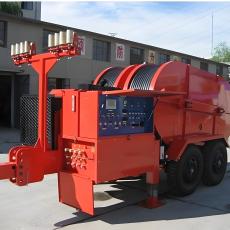
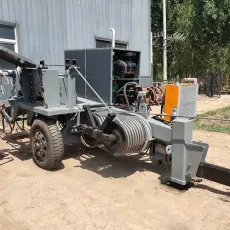
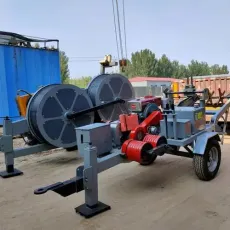
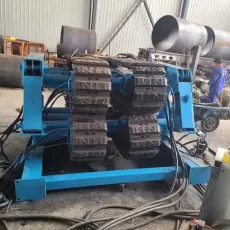





 Post RFQ


 Chat
Chat


 ALL CATEGORIES