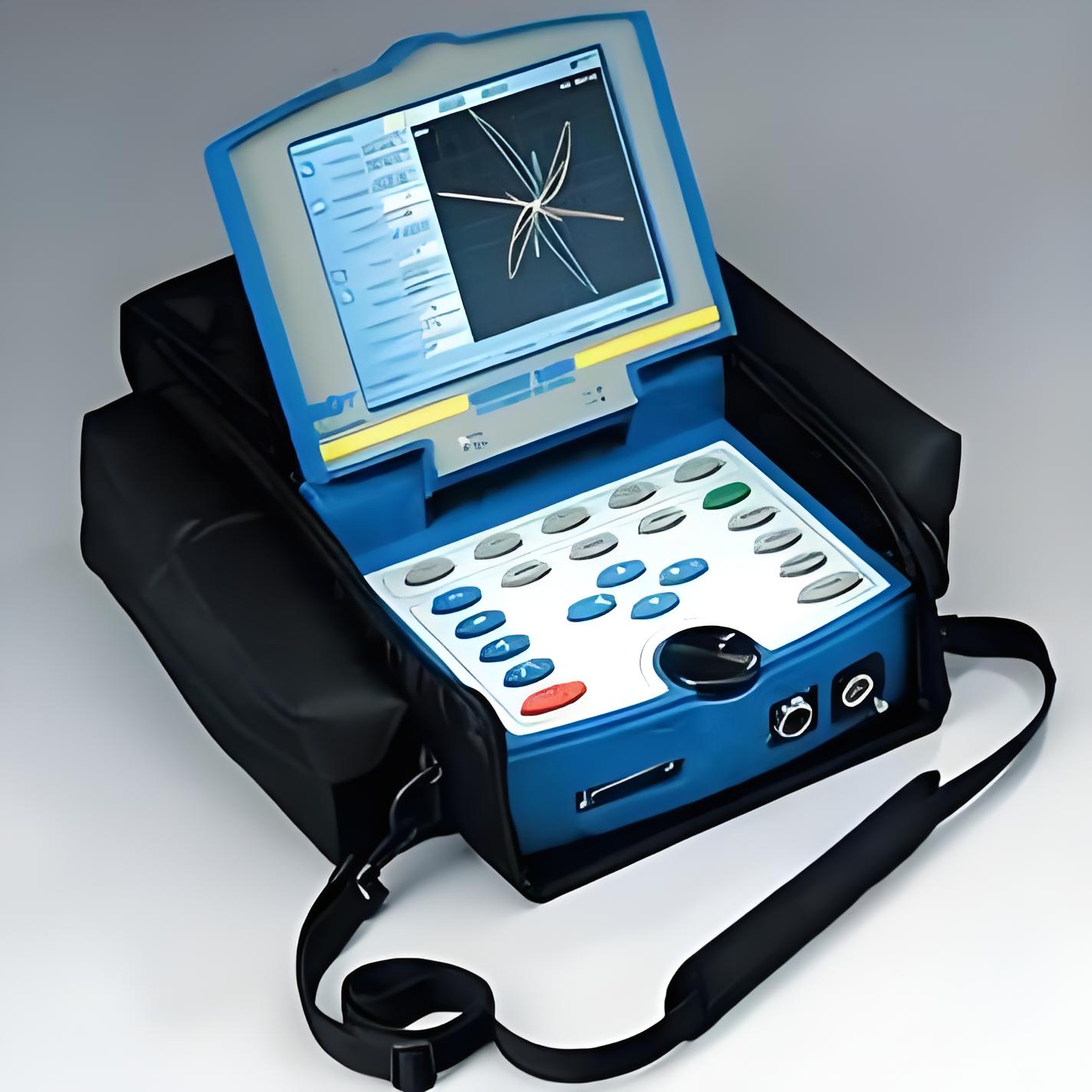
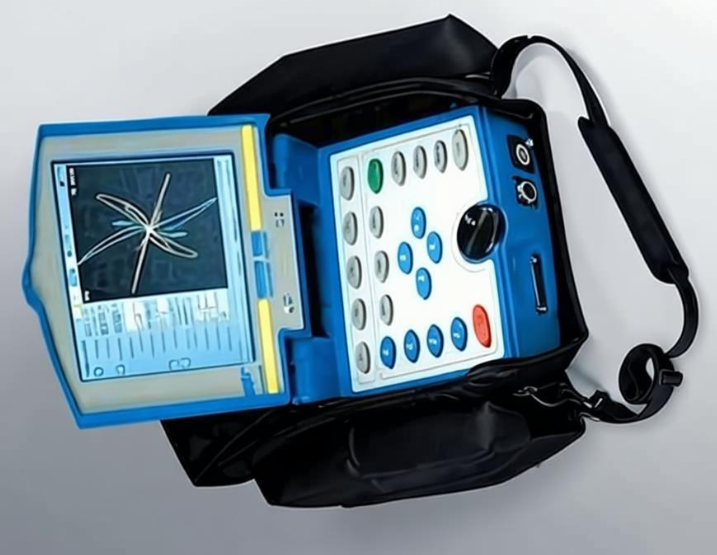


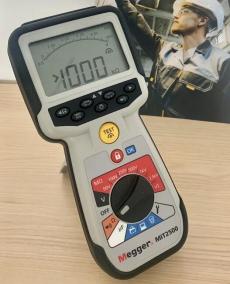
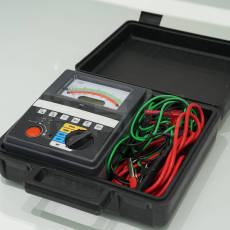
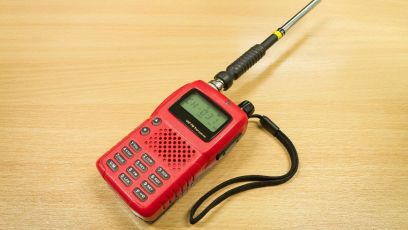
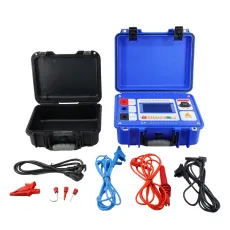
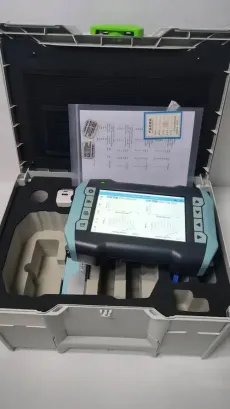

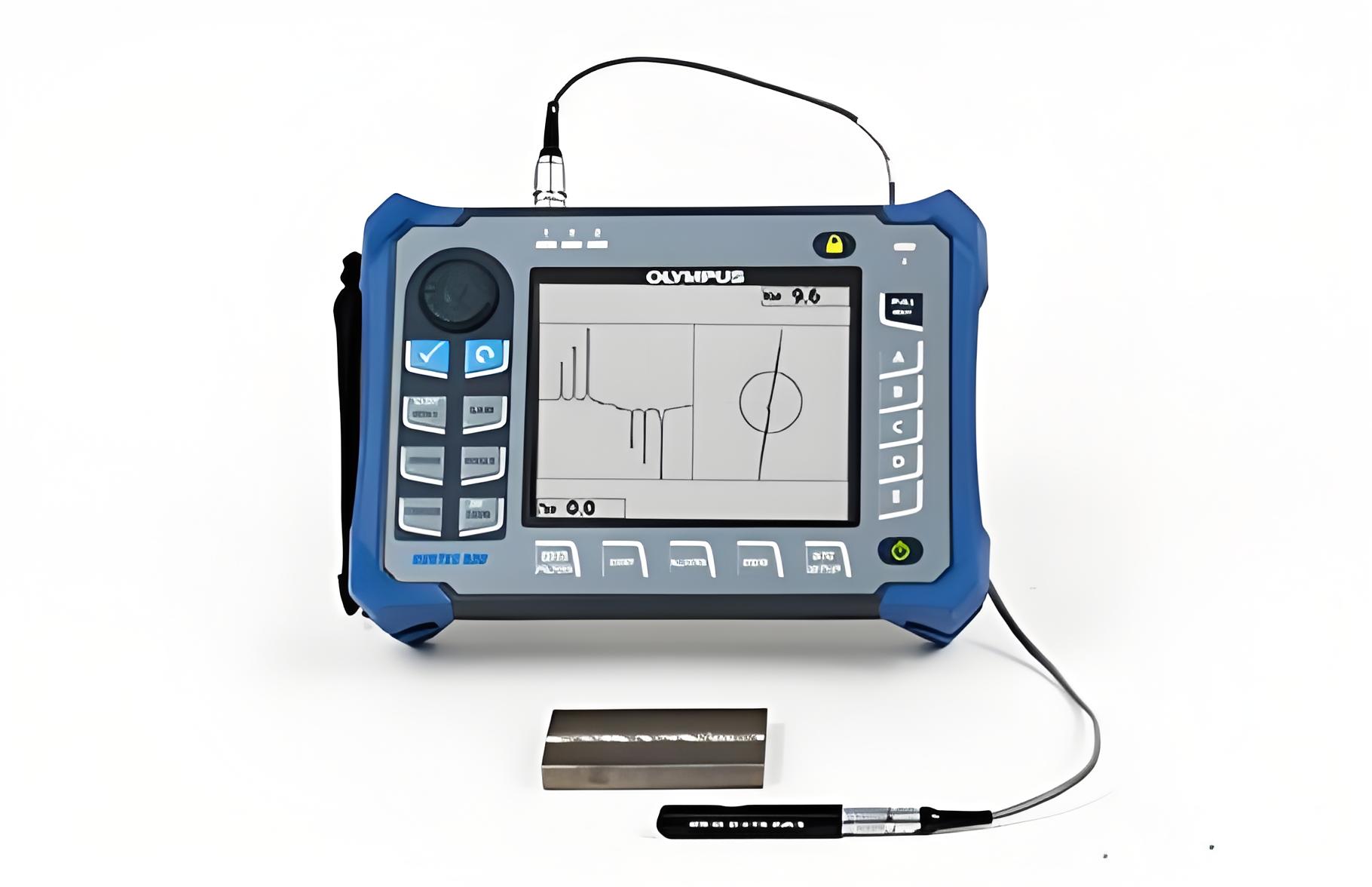
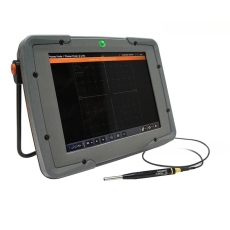
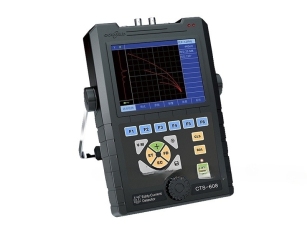
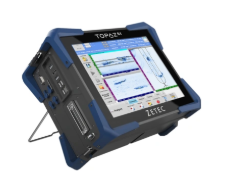
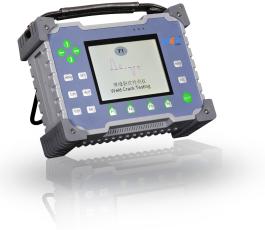
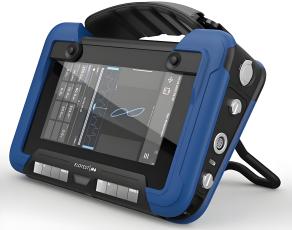
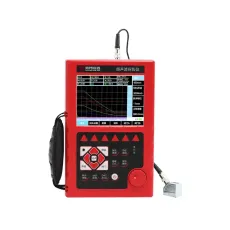
It is equipped with a weld-specific curved eddy current probe that can be adjusted from 0° to 90°, which can adapt to a variety of weld types such as flat welds, fillet welds and lap welds, solving the pain point that traditional eddy current flaw detectors cannot adapt to complex weld detection. It adopts an IP54-rated enclosure, adapting to the dust and splash environment of the workshop, and supports 6 hours of continuous operating time, meeting the needs of batch weld detection. It is equipped with one-click defect recognition function, which can quickly mark abnormal areas in the weld, and has a built-in 5000-group detection data storage capacity, which can quickly export weld detection reports, improving the work efficiency of weld quality inspection. The equipment adopts a lightweight design, with a total weight of only 0.8kg, which is convenient for operators to hold for weld detection operations.
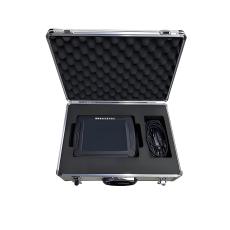
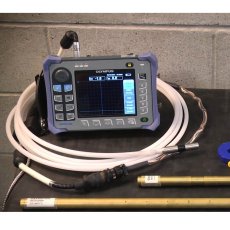
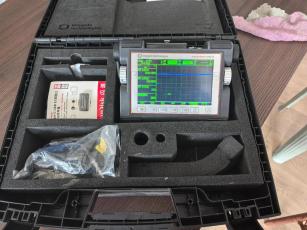
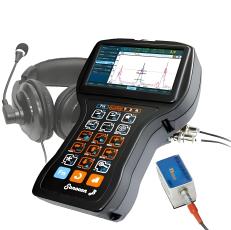
The 180mm * 100mm * 40mm, with a weight of 0.8kg, is equipped with a 480*320 pixel LCD screen, has a built-in 3.7V 3000mAh lithium-ion battery, and supports DC 5V/1A external power supply for energy replenishment. The probe adopts a curved eddy current design, which can fit the weld surface for detection, and the detection angle can be adjusted between 0° and 90°, adapting to weld workpieces of different heights and angles. It supports a detection frequency range of 50Hz to 5MHz, adapting to the detection of welded workpieces of different thicknesses, and is equipped with a USB-C interface to quickly export detection data. The supporting analysis software can generate visual reports of weld defects, meeting the quality inspection needs of production workshops.
It is mainly used for weld quality inspection in steel structure manufacturing, weld crack inspection of pressure vessels, hull weld corrosion detection in shipbuilding, and welded part quality inspection of automotive parts. It is suitable for scenarios such as steel structure workshops, pressure vessel manufacturing factories, ship repair yards, etc., and can quickly complete non-destructive testing of welds, helping enterprises identify hidden defects in welds, improving the quality and safety of welded products, and complying with quality inspection standards in the welding industry.







 Post RFQ


 Chat
Chat


 ALL CATEGORIES