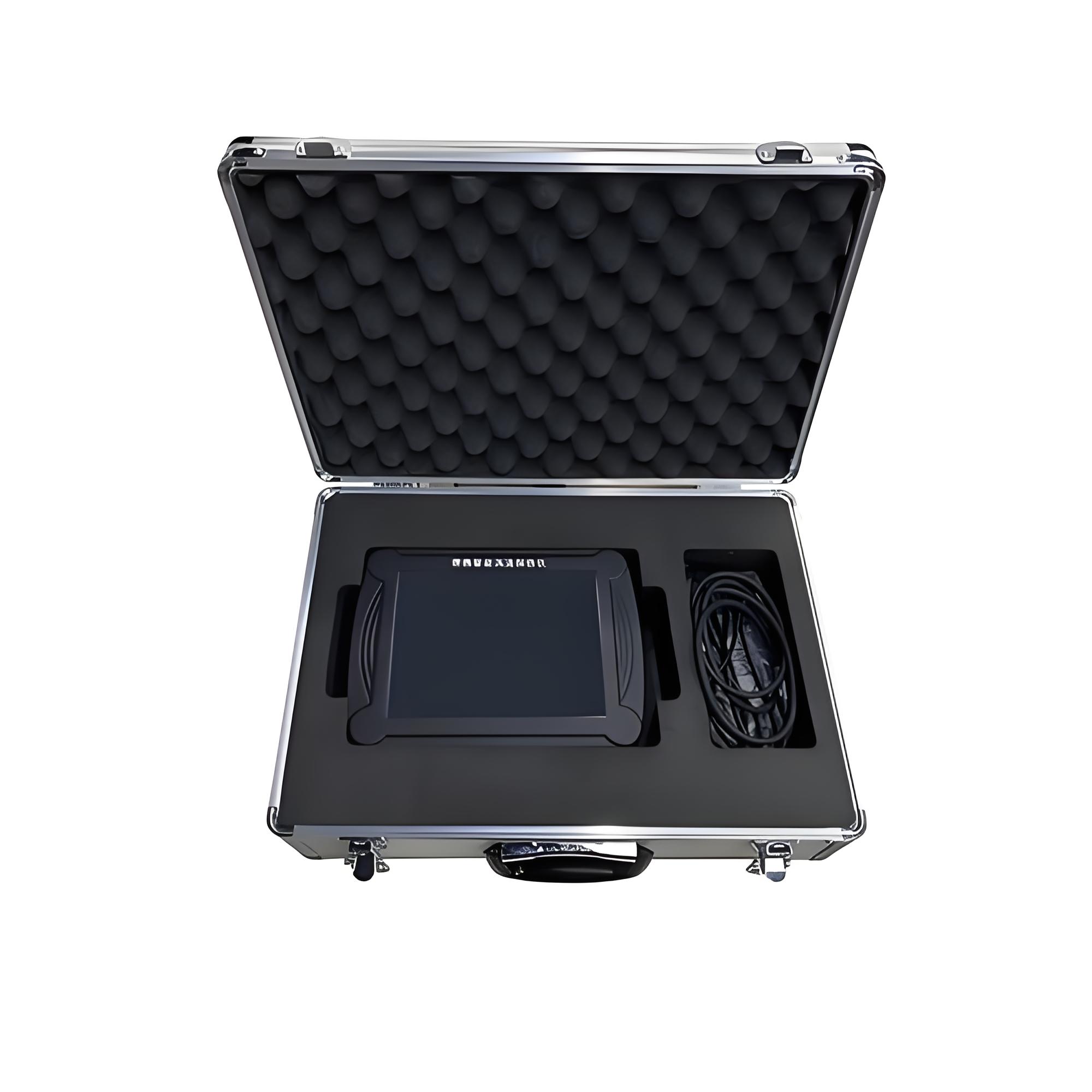
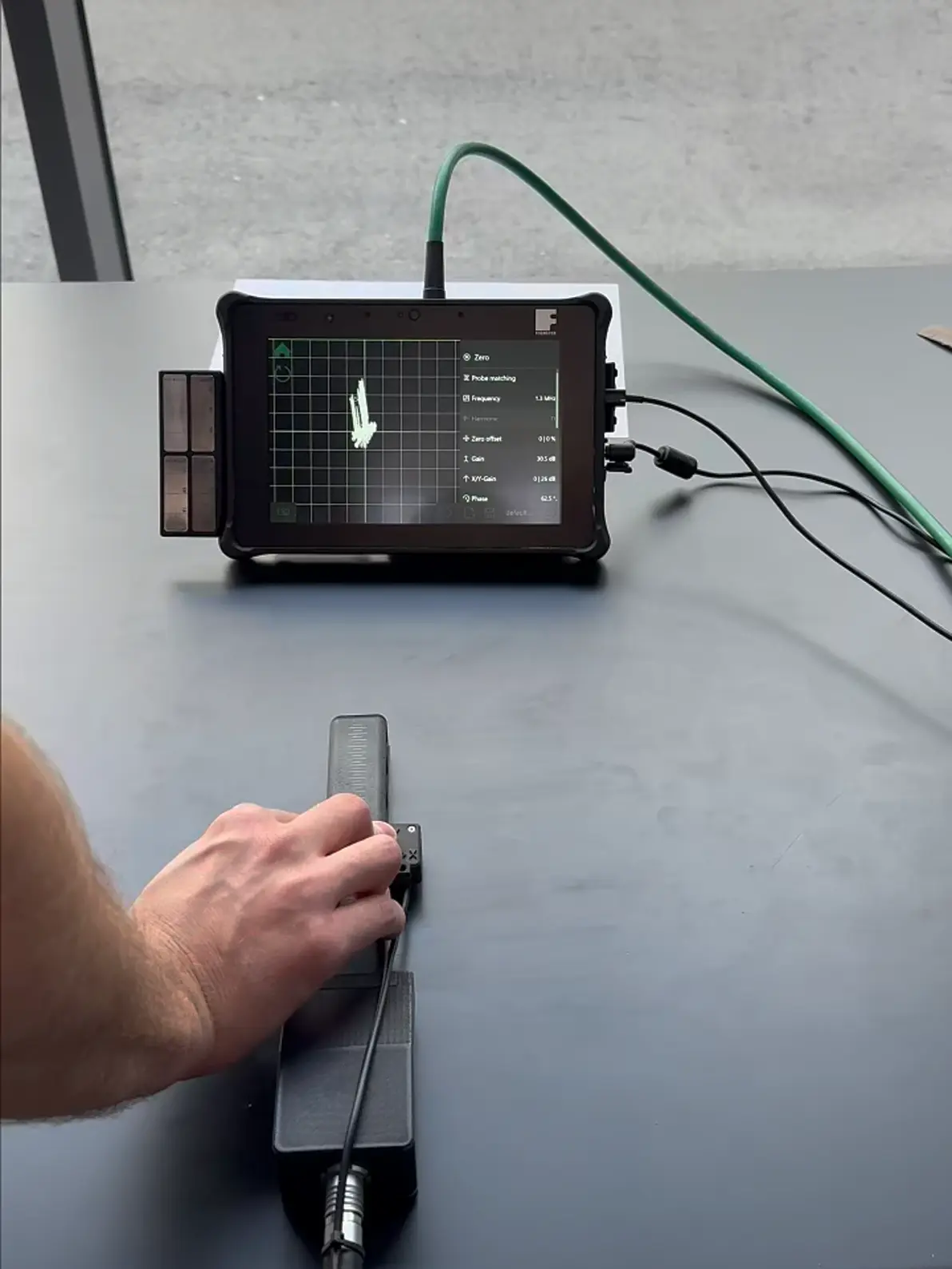


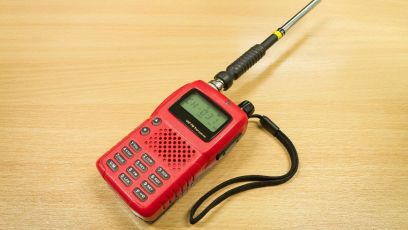
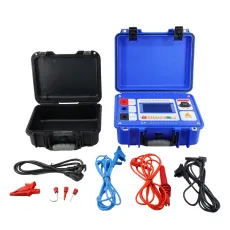
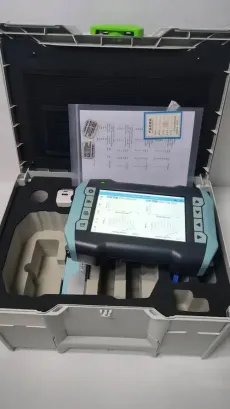

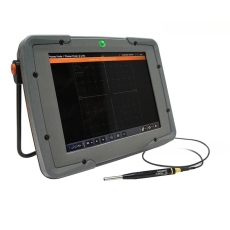
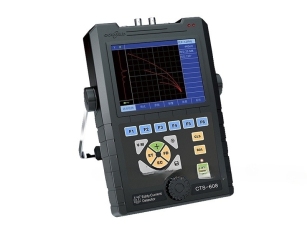
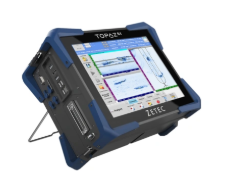
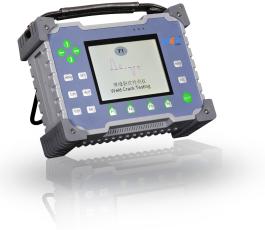
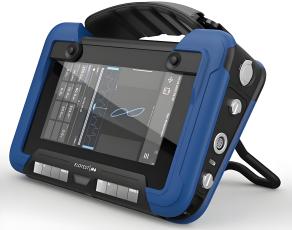
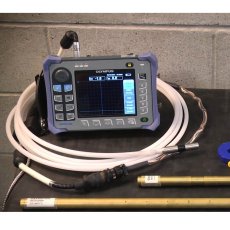
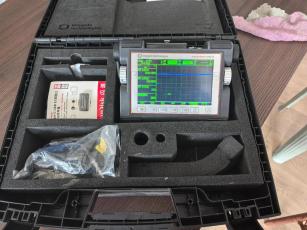
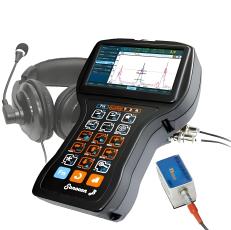
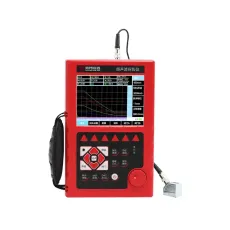
The device adopts high-temperature resistant ceramic coated probes and high-sensitivity signal processing chips, which can stably work for more than 8 hours in a high-temperature environment of 600℃, and the detection accuracy is improved by 20% compared with similar high-temperature flaw detection equipment. It is equipped with an outdoor high-brightness display, which can clearly view the detection waveform and data in strong light environments, and supports wireless Wi-Fi 4 data transmission, which can upload detection data to the cloud for real-time analysis. The device has a built-in high-temperature protection mechanism, which automatically shuts down and alarms when the probe temperature exceeds 650℃ to avoid equipment damage. It adopts lightweight design, with a weight of only 2.1kg, which is easy to carry to high-temperature operation sites. A single battery can work continuously for 6 hours, meeting the needs of all-day high-temperature detection. The device supports one-click switching of detection modes to adapt to different types of high-temperature workpieces, and also has anti-electromagnetic interference design, which can operate stably in complex electromagnetic environments such as metallurgical workshops.
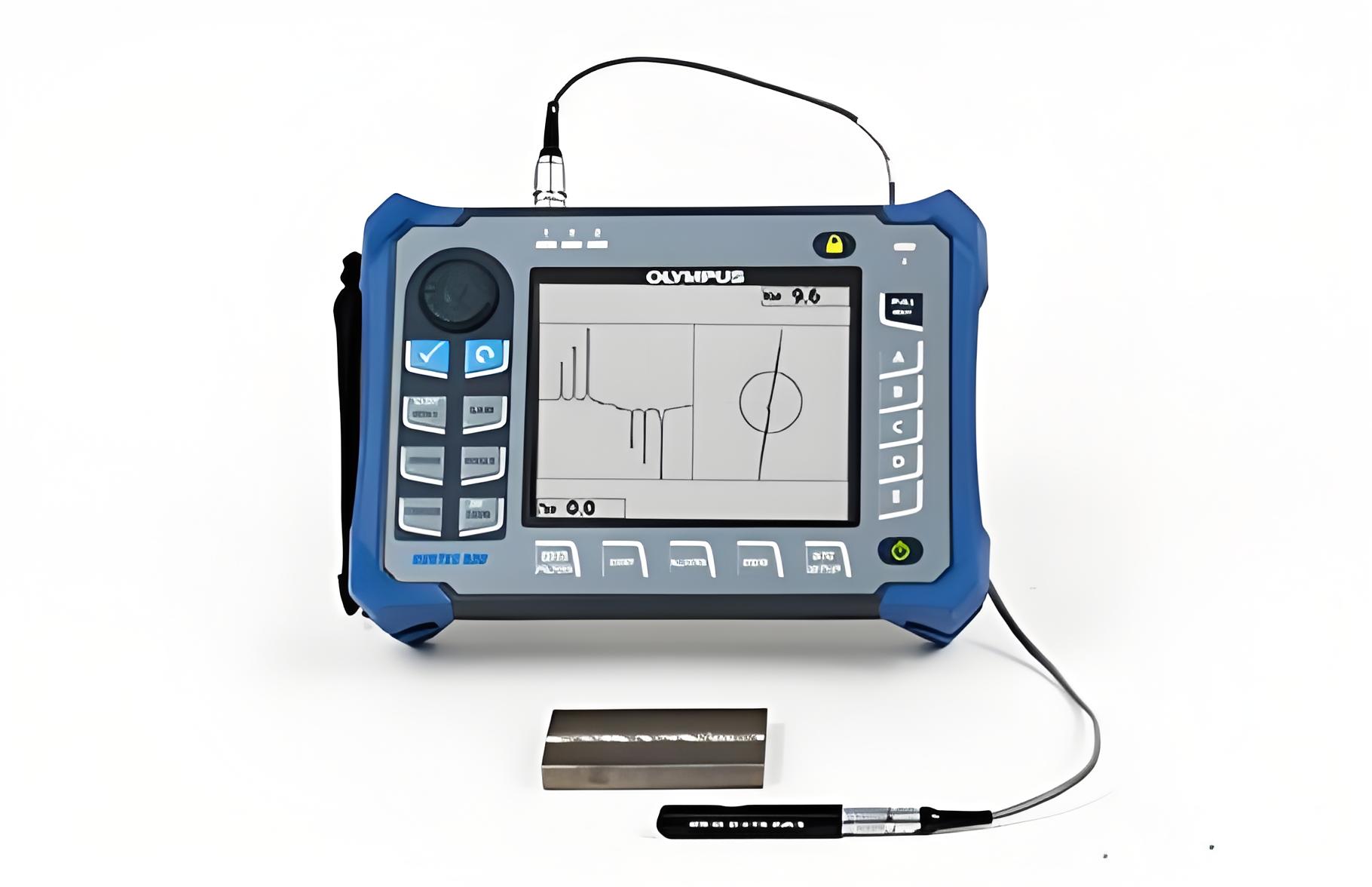
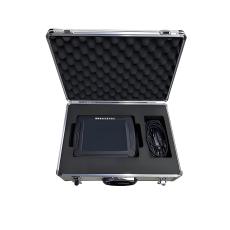
The overall size of the device is 250mm*180mm*100mm, and it is equipped with a 14.8V 3000mAh lithium-ion battery, supporting DC 12V external power supply, and the charging time is about 3 hours. The high-temperature resistant probe adopts ceramic coating process, which can withstand continuous high temperature of 600℃, and the probe cable can be up to 3 meters long, meeting the needs of long-distance high-temperature detection. It supports frequency adjustment from 50Hz to 5MHz, adapting to high-temperature metal workpieces of different thicknesses. It is equipped with an 800*480 high-brightness TFT display, with a brightness of up to 1000nit, which can clearly display in strong light environments. The device has a built-in storage function for 5000 detection records, and supports USB 2.0 and Wi-Fi 4 data transmission, which can quickly export detection reports. The device shell is made of high-temperature resistant engineering plastic, which can withstand an ambient temperature of 100℃, ensuring the stable operation of the device itself in high-temperature environments.
It is mainly applicable to the defect detection of blast furnace wall and billet in the metallurgical industry, the high-temperature detection of boiler heating surface and turbine blades in the power industry, the detection of high-temperature alloy parts in the aerospace field, and the corrosion detection of reactors and heat exchangers in the petrochemical industry. It can realize online detection in high-temperature operation sites without waiting for the workpiece to cool down, greatly improving detection efficiency, and helping enterprises detect hidden dangers of high-temperature equipment in advance to avoid unexpected shutdowns and safety accidents.







 Post RFQ


 Chat
Chat


 ALL CATEGORIES