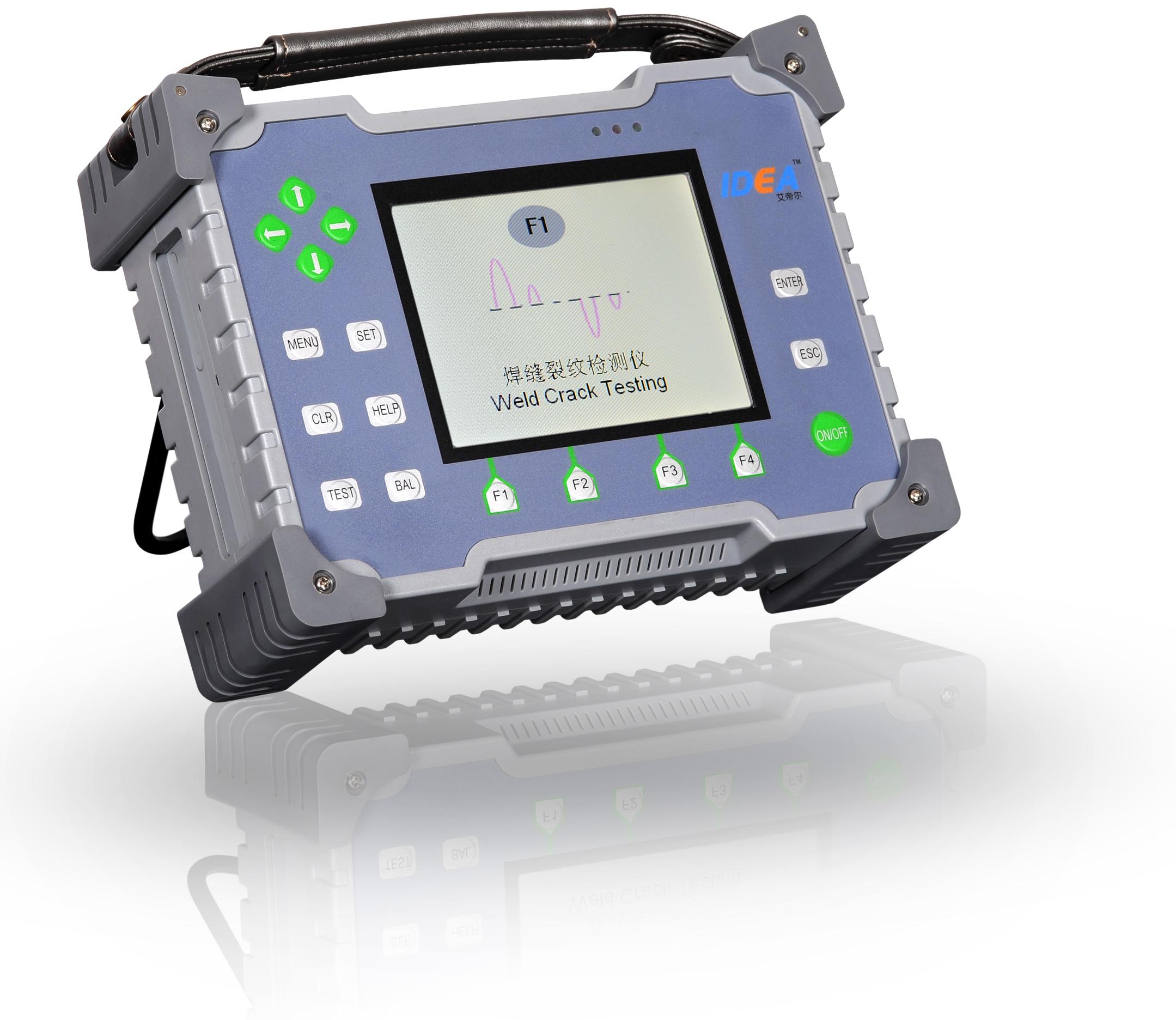
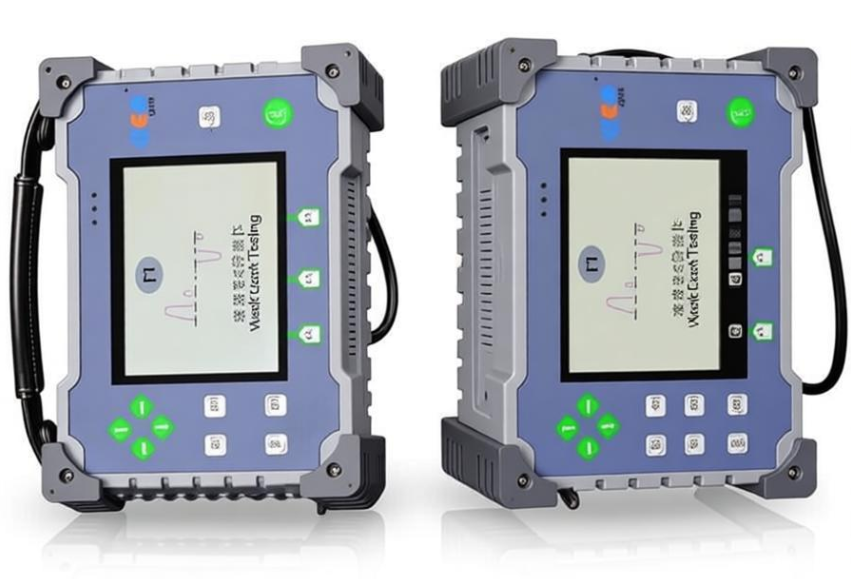


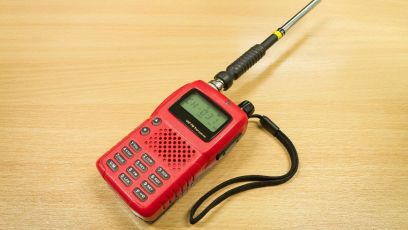
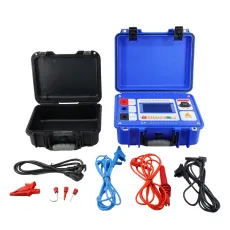
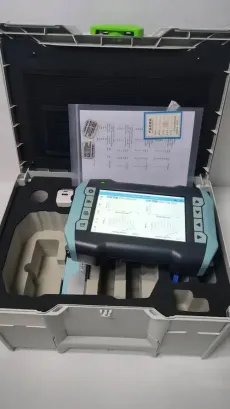

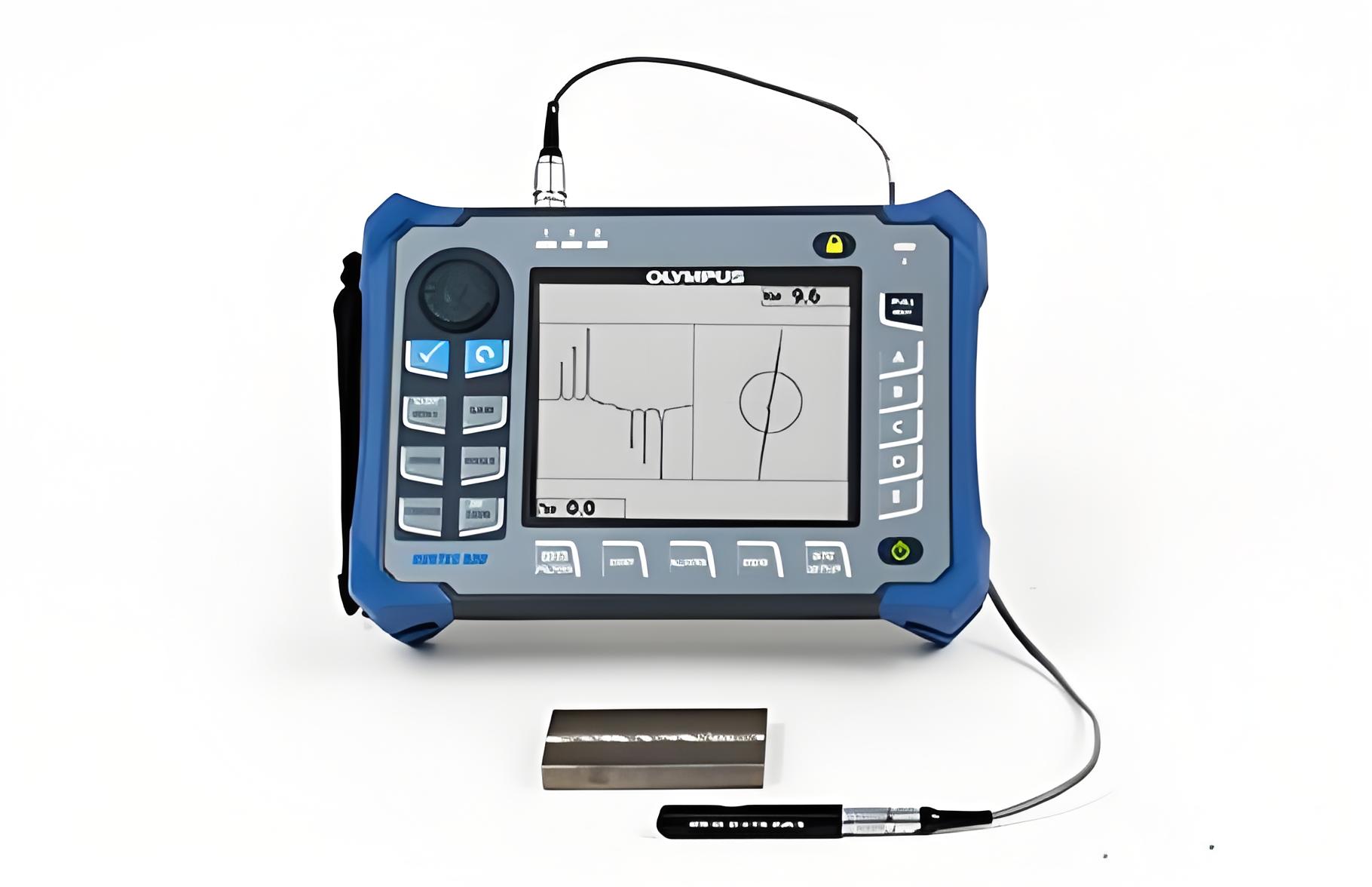
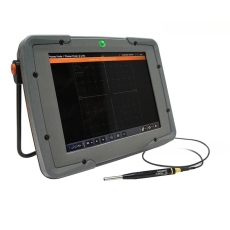
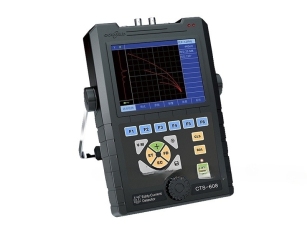
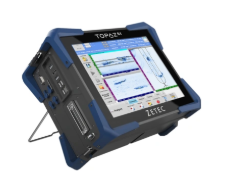
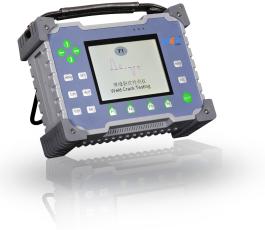
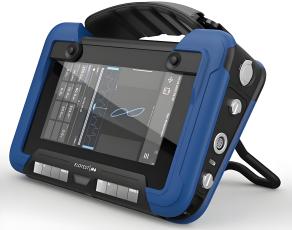
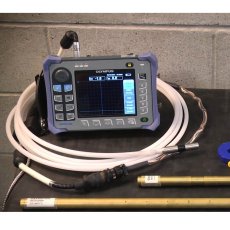
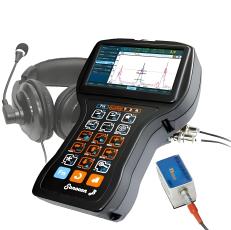
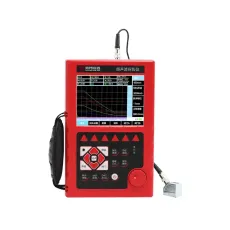
This device adopts high-sensitivity eddy current detection probes and intelligent signal processing algorithms to accurately identify subtle defects. Compared with similar products, its volume is reduced by 30%, and its weight is only 1.2kg. A single battery can work continuously for 8 hours, meeting the needs of all-day on-site detection. It is equipped with an IPS high-definition display, which can display the detection waveform and defect position in real time, and supports Bluetooth data transmission and mobile phone terminal synchronous viewing, so that operators can get started quickly without complex training. The device has a built-in storage function for more than 10,000 detection records, and can export detection reports for quality traceability. It also has anti-interference design, which can operate stably in complex industrial environments, solving the problem that traditional flaw detection equipment is easily affected by electromagnetic interference.
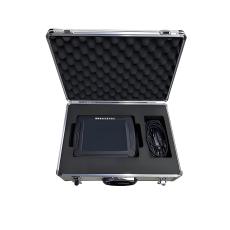
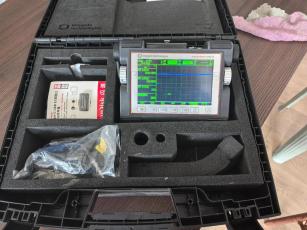
The overall size of the device is 220mm*150mm*80mm, and it is equipped with a replaceable 7.4V 2000mAh lithium-ion battery, which supports USB fast charging, and the charging time is about 2.5 hours. It supports wide frequency adjustment from 10Hz to 10MHz, adapting to metal workpieces of different materials and thicknesses. It is equipped with standard USB 2.0 interface and Bluetooth 4.2 module, which can be connected to a computer to export detection data and generate reports. The device shell is made of high-strength ABS engineering plastic, with IP54 waterproof and dustproof rating, which can adapt to outdoor operating environments. It supports quick replacement of different types of detection probes to adapt to different detection scenarios, and the probe cable can be up to 5 meters long, meeting the needs of long-distance detection.
It is mainly applicable to the surface defect detection of metal parts such as turbine blades and fasteners in the aerospace field, the weld and pipe wall defect detection in the pressure vessel manufacturing industry, the quality control of castings and forgings in the metal processing industry, and the maintenance detection of transformer and generator parts in the power industry. It can be used in various scenarios such as workshops, outdoor operation sites, and equipment maintenance sites, and can be detected quickly by a single person, greatly improving detection efficiency and accuracy, and reducing the error rate of manual detection.







 Post RFQ


 Chat
Chat


 ALL CATEGORIES