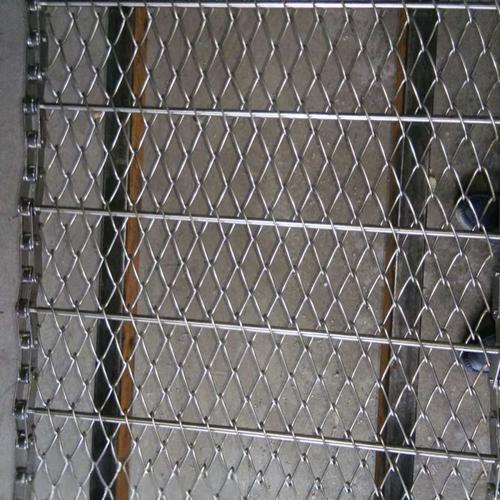
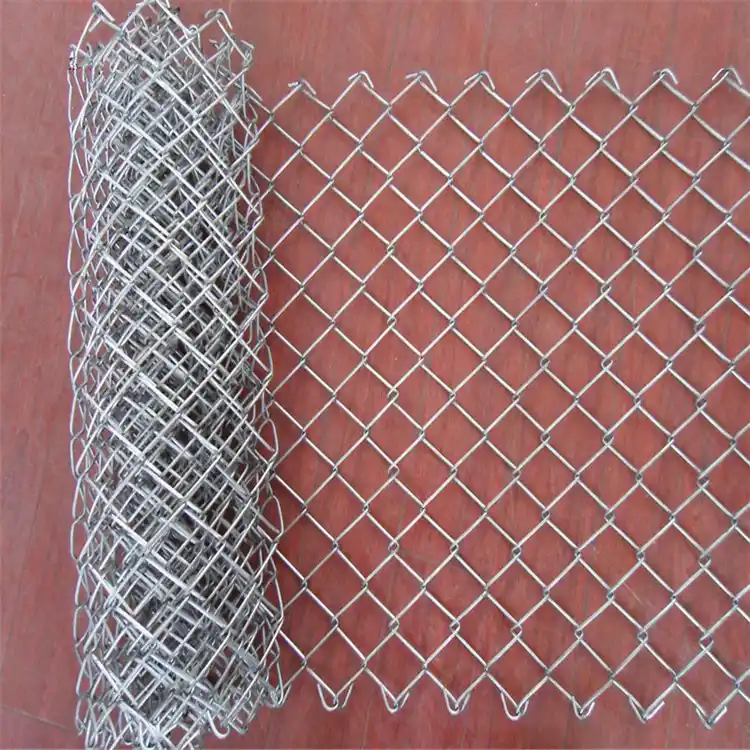



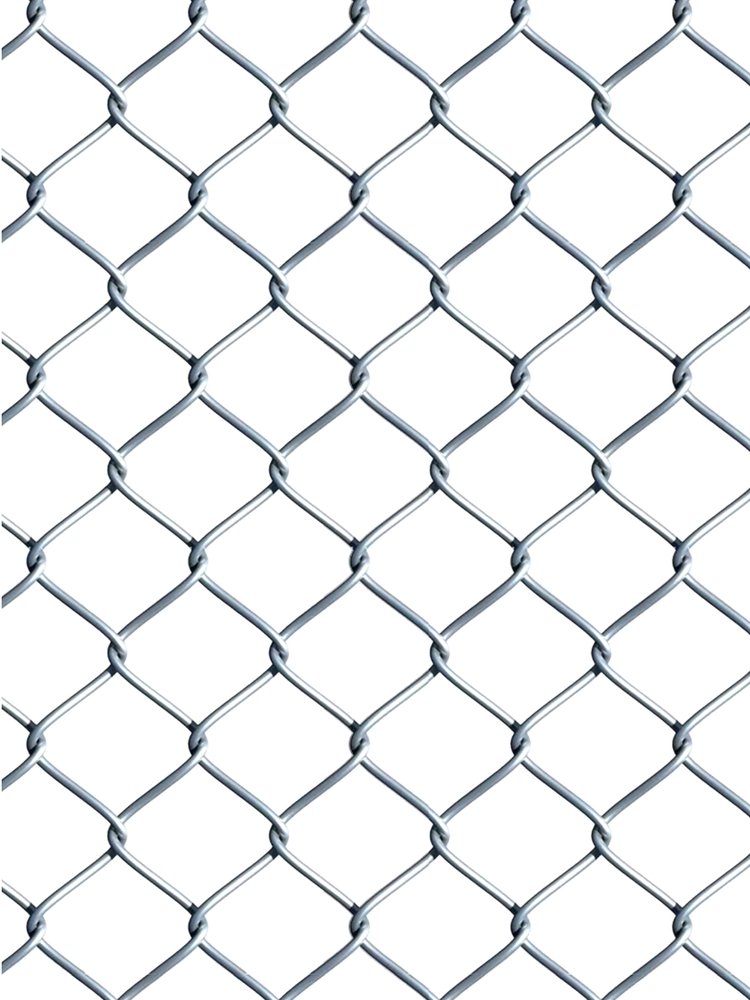
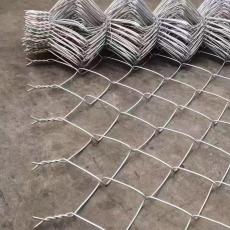
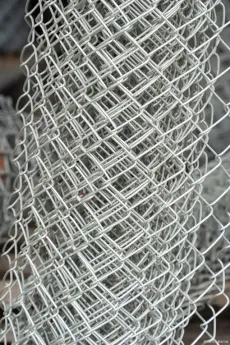
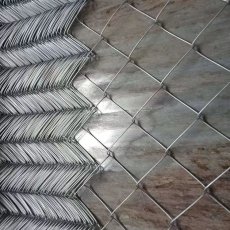
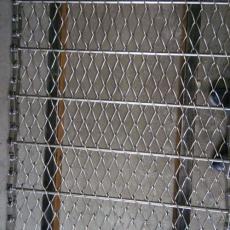
This stainless steel chain link mesh stands out from ordinary wire meshes with its food-safe 304 or 316 stainless steel material, which is non-toxic and free of harmful heavy metals, fully meeting the strict hygiene requirements of food and pharmaceutical industries. The passivated surface treatment forms a dense protective layer on the wire surface, which not only resists acid and alkali corrosion but also makes the surface smooth and easy to wipe clean, reducing the workload of daily disinfection and cleaning. Unlike coated wire meshes, it will not peel off or release coating particles during cleaning, avoiding product contamination risks. It has higher tensile strength than galvanized steel meshes, and can be used in scenarios with higher frequency of movement and cleaning, with a service life of up to 20 years under normal use. It also has passed ISO 9001 quality management system certification, ensuring consistent product quality for large-scale orders.
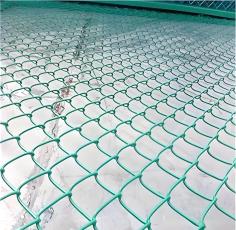
The mesh is available in two common stainless steel materials: 304 for general food processing scenarios and 316 for highly corrosive environments such as coastal aquaculture. The wire gauge ranges from 12 SWG (2.64mm) to 16 SWG (1.63mm), with corresponding mesh sizes of 25x25mm, 40x40mm and 50x50mm, which can be customized according to customer needs. The standard roll specifications are 0.6m width x 20m length and 1.0m width x 15m length, and other custom sizes are supported. Each roll is packed with food-grade plastic film to avoid dust and moisture during transportation, then fixed in a wooden crate to prevent damage. The tensile strength of the mesh is no less than 500MPa, ensuring it can withstand normal pulling and cleaning without deformation. Each square meter of the mesh weighs about 0.8-1.8 kg depending on the wire gauge and mesh size.
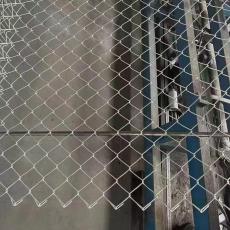
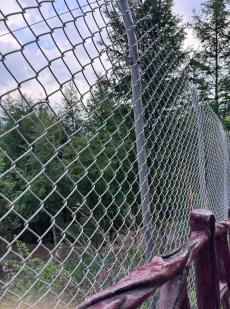
This stainless steel chain link mesh is mainly used in high-hygiene industrial scenarios. It is widely used as the isolation fence in food processing workshops, to separate different production areas and prevent cross-contamination between raw materials and finished products. It can also be used as the protective net for aquaculture ponds, to prevent foreign objects from entering the water and protect aquatic products from predators. In pharmaceutical production workshops, it is used as the safety barrier for clean rooms, to ensure that only authorized personnel can enter specific production areas. It is also suitable for use in commercial kitchen hoods, animal husbandry cleaning rooms and other scenarios that require frequent cleaning and high hygiene standards.







 Post RFQ


 Chat
Chat


 ALL CATEGORIES