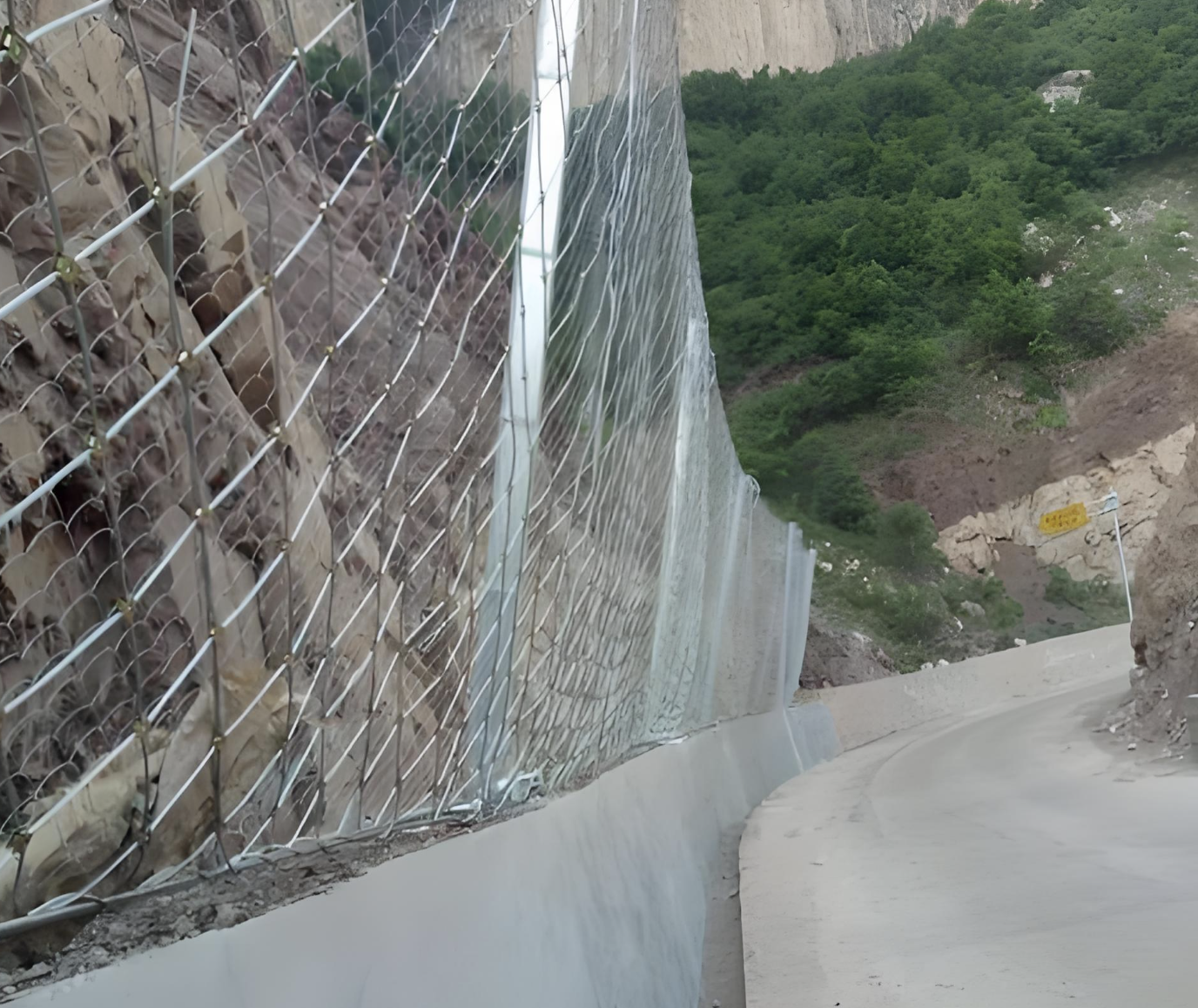
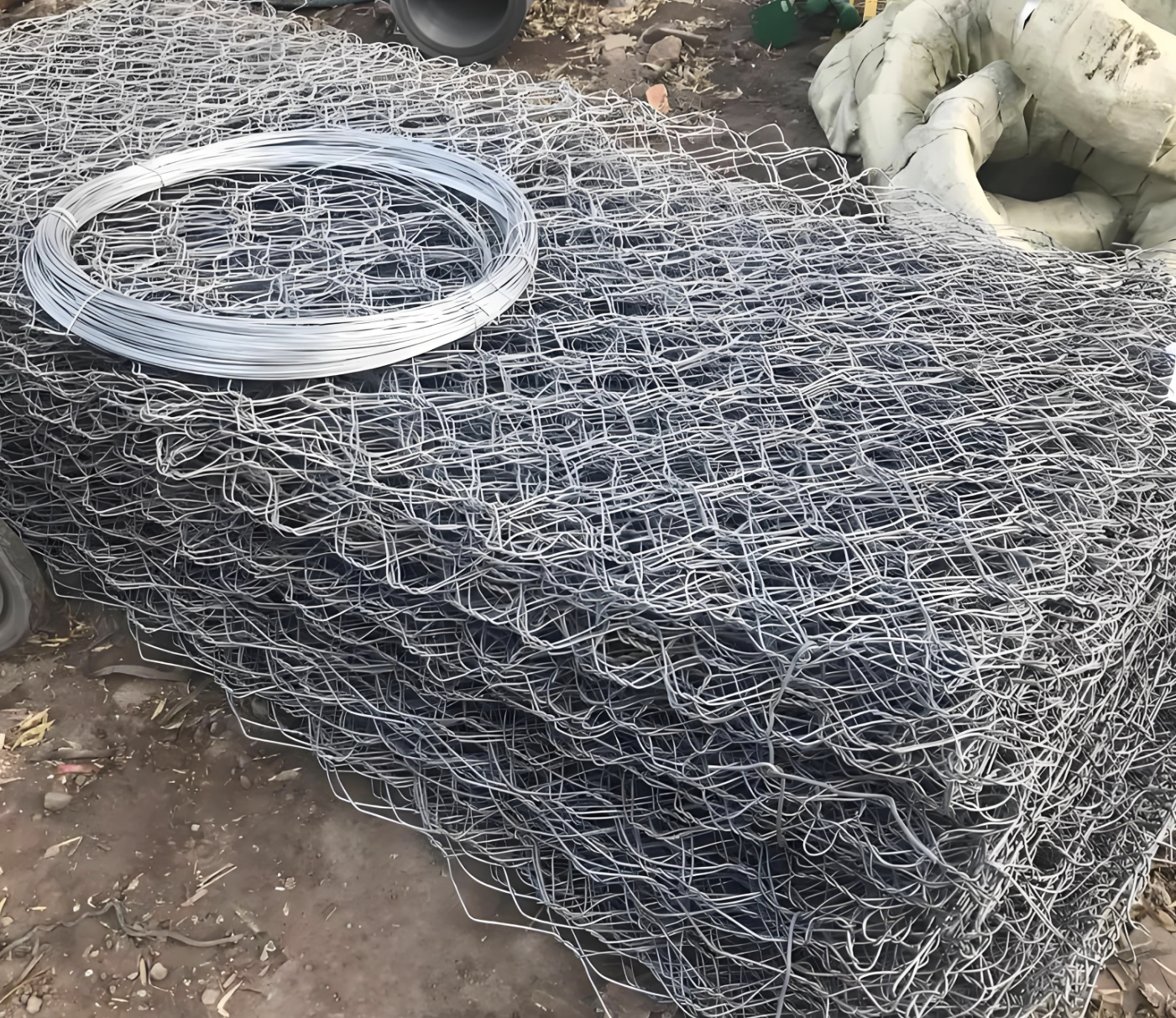








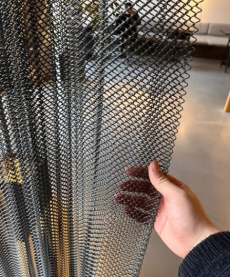

This product adopts fiber reinforced concrete material, which has good impact resistance and compressive strength, and can bear more than 10 tons of static load. It adopts modular design, and each module has a unified size of 1x1m. It only needs to be hoisted and spliced on site to complete the deployment, which improves construction efficiency by 80% without waiting for concrete curing time. The surface is equipped with anti-slip texture, which can effectively prevent pedestrians or vehicles from sliding on the slope. The reserved connection holes can be fixed with anchors and foundations to form an overall protective structure, and the overall protective performance will not be affected by the damage of a single module. The product can be recycled and reused, and can be disassembled and recycled after the slope protection task is completed, reducing project costs.
The thickness of each protection panel is 50mm, the compressive strength is 30MPa, and the flexural strength is 5MPa. The depth of the surface anti-slip texture is 2mm. The modules are fixed by special connection buckles, which can adapt to the slope terrain of different gradients. The anchor bolt length is 300mm, which can be firmly fixed in the slope soil. It meets the GB/T 14902-2012 standard for test methods of mechanical properties of ordinary concrete. It can also customize protection panels with different colors and textures according to customer needs to adapt to different landscape requirements.
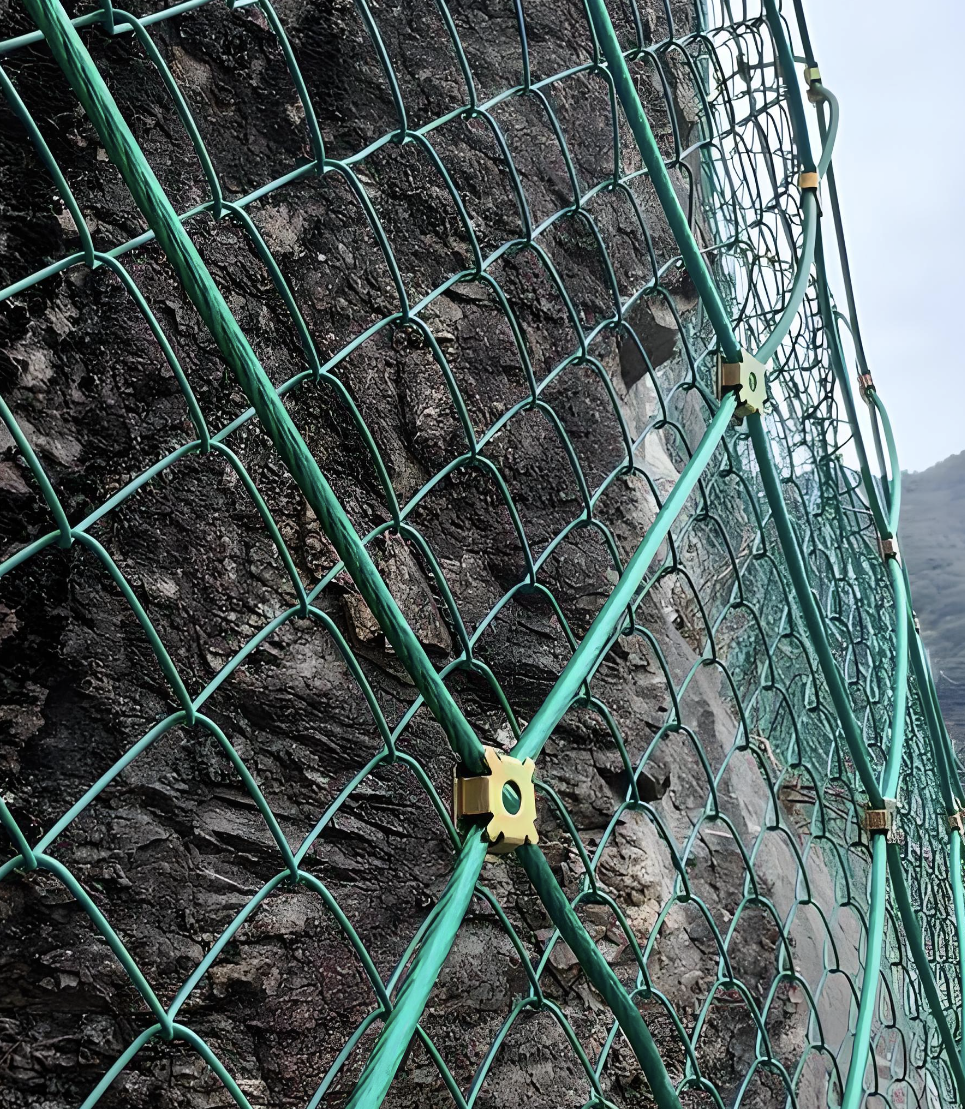
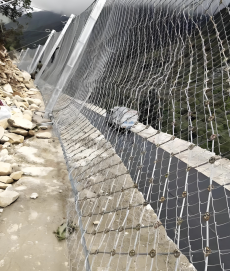
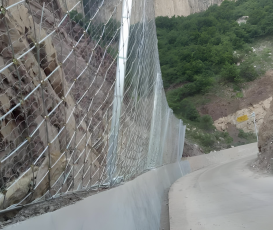
It is mainly used for temporary slope protection of urban construction sites, which can complete the protection of 1000 square meters of slope area within 1 day, quickly ensuring the safety of the construction area. It can be used for slope protection of urban parks, which can create beautiful slope landscape. It can also be used for temporary slope protection of railway lines, and quickly build a protective barrier during construction. In addition, it is also suitable for emergency slope protection after disasters, and quickly restore the stability of the slope after earthquakes or heavy rains to prevent the occurrence of secondary disasters.








 Post RFQ


 Chat
Chat


 ALL CATEGORIES