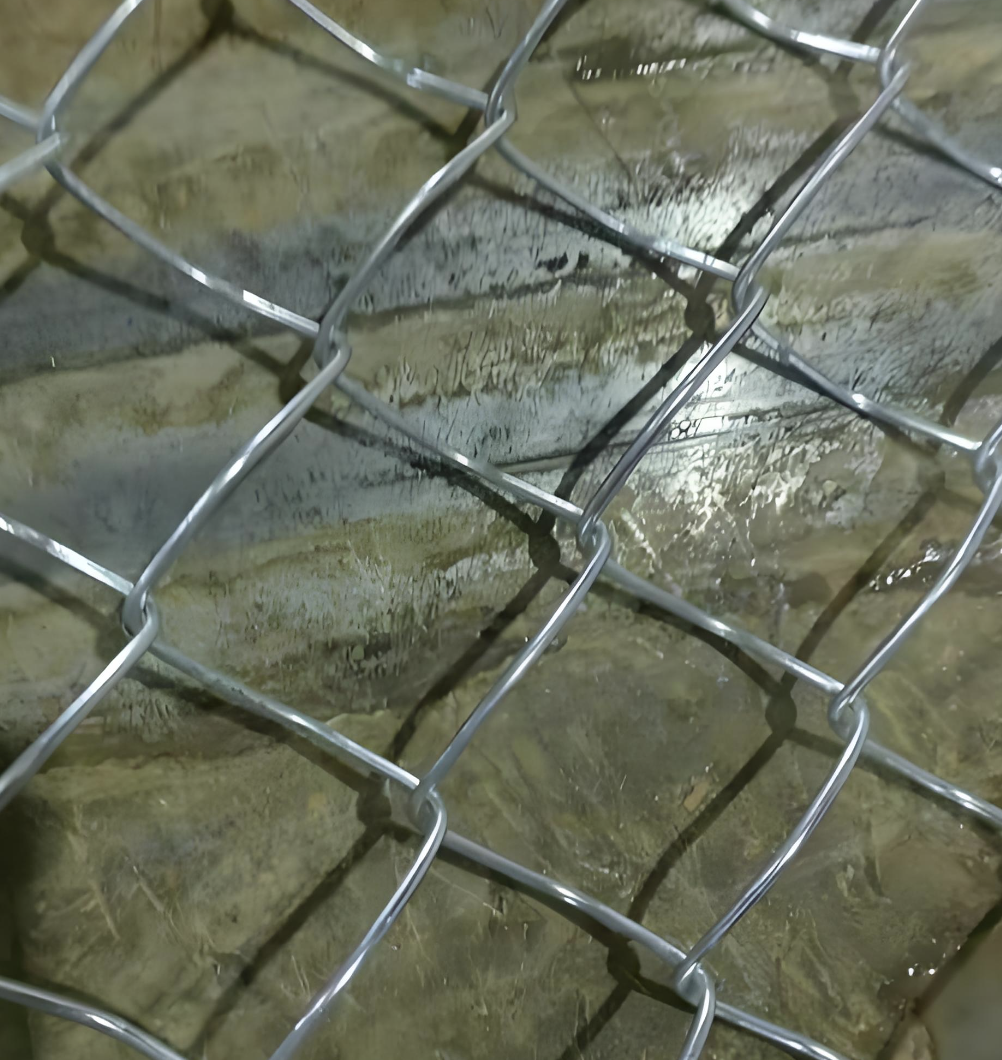
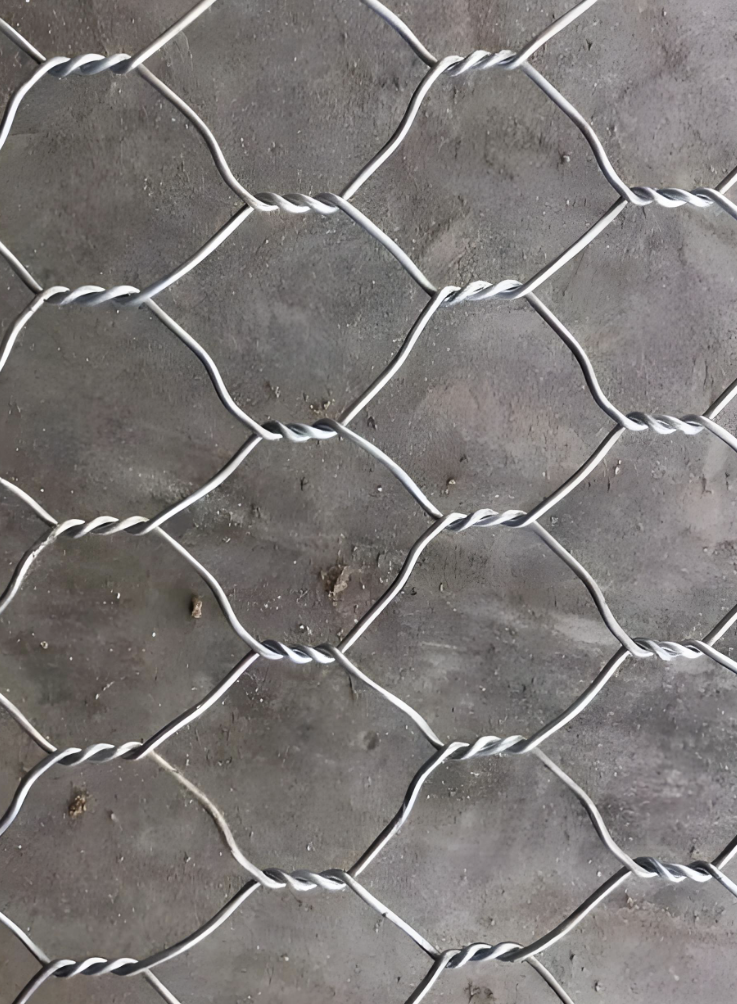





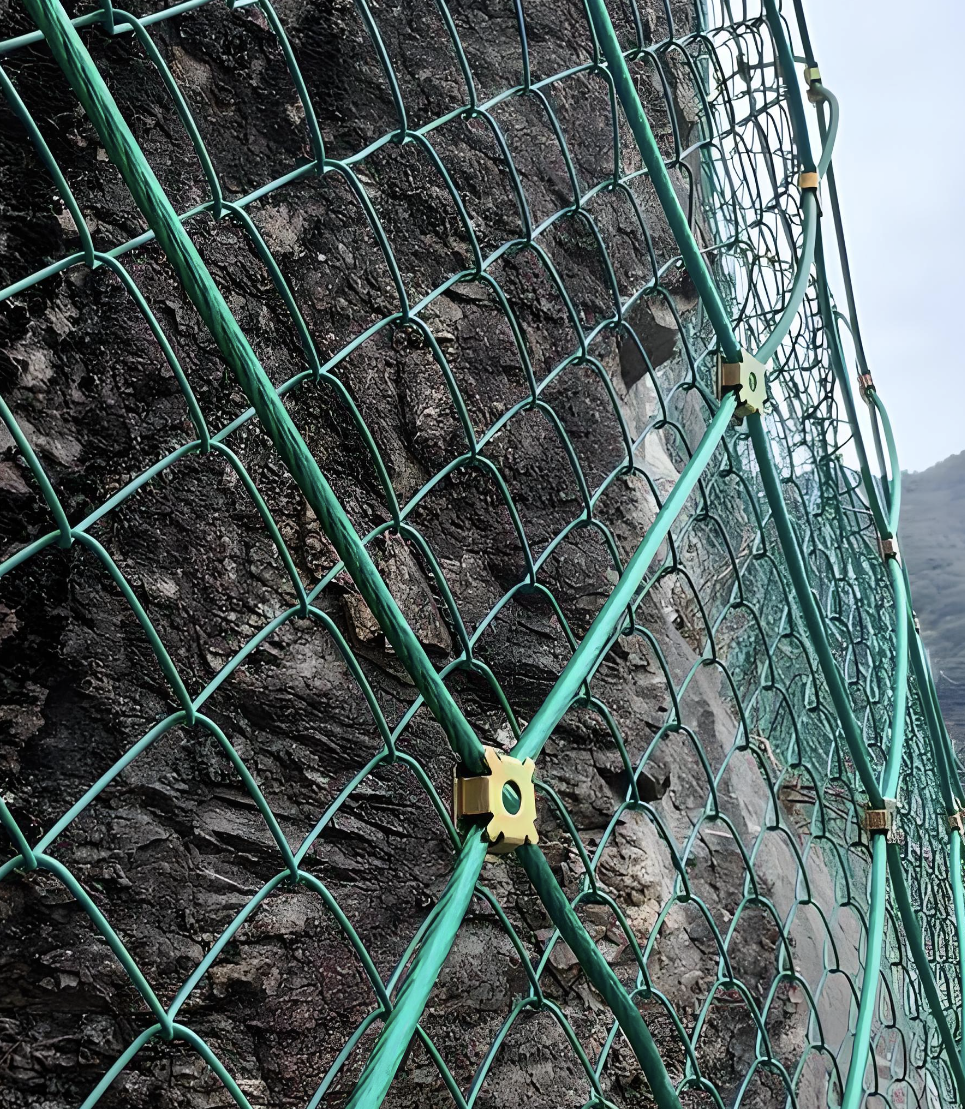
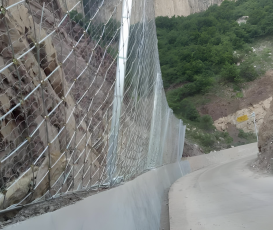
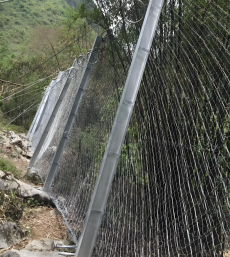
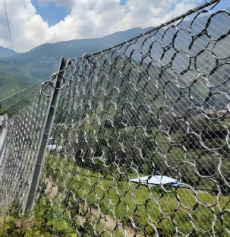
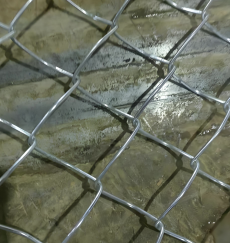
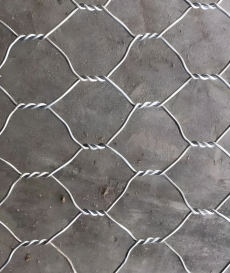
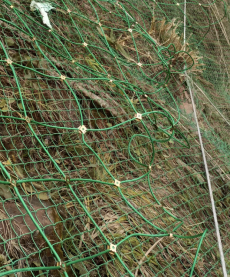
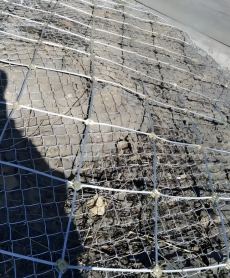
The product adopts 10mm diameter high-tensile hot-dip galvanized steel wire, with a tensile strength of 2000MPa, which is 15% higher than that of ordinary slope protection nets. The coating thickness reaches 120μm, passing the 1000-hour salt spray test, with excellent anti-corrosion performance in coastal saline-alkali and chemical industry park environments. The welded frame structure enhances the overall stability of the protection net, avoiding the problem of mesh deformation caused by wind load and impact. The mesh size of 150mm × 150mm balances the protection effect and air permeability, suitable for most slope protection scenarios. It solves the pain point that ordinary protection nets are corroded and broken within 2-3 years in high-corrosion environments, extending the service life to 25 years.
The product uses 10mm diameter high-tensile hot-dip galvanized steel wire, with a mesh size of 150mm × 150mm, single-layer weight of 2.8kg per square meter. The coating thickness of the steel wire is 120μm, which meets the ASTM A641 standard for hot-dip galvanized steel products. The welded frame uses 2mm thick steel pipe, with a frame size of 4m × 2m per panel. The installation spacing is 1.8m, matching M18 specification expansion bolts for fixing. The maximum wind speed resistance reaches 140km/h, suitable for slopes with a gradient of 30° to 60°, and can be customized according to on-site terrain requirements.
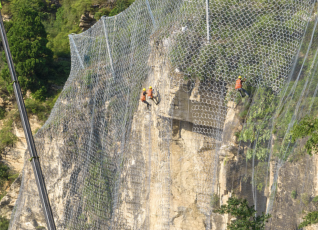
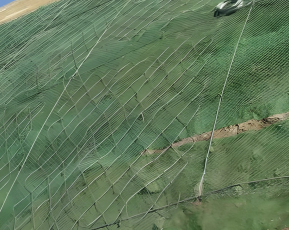
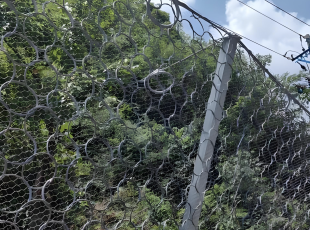
This product is mainly used for slope protection in high-corrosion environment areas, such as coastal saline-alkali land slope protection, chemical industry park boundary slope stabilization, acid rain-prone area mountain protection, port dock bank slope protection, heavy industry factory area slope protection and other scenarios. It can effectively resist the corrosion of salt fog, acid rain and chemical gases, providing long-term stable safety protection for slopes. In coastal areas and chemical industry parks, it is an ideal choice for slope protection projects, avoiding frequent replacement and maintenance of protection nets.







 Post RFQ


 Chat
Chat


 ALL CATEGORIES