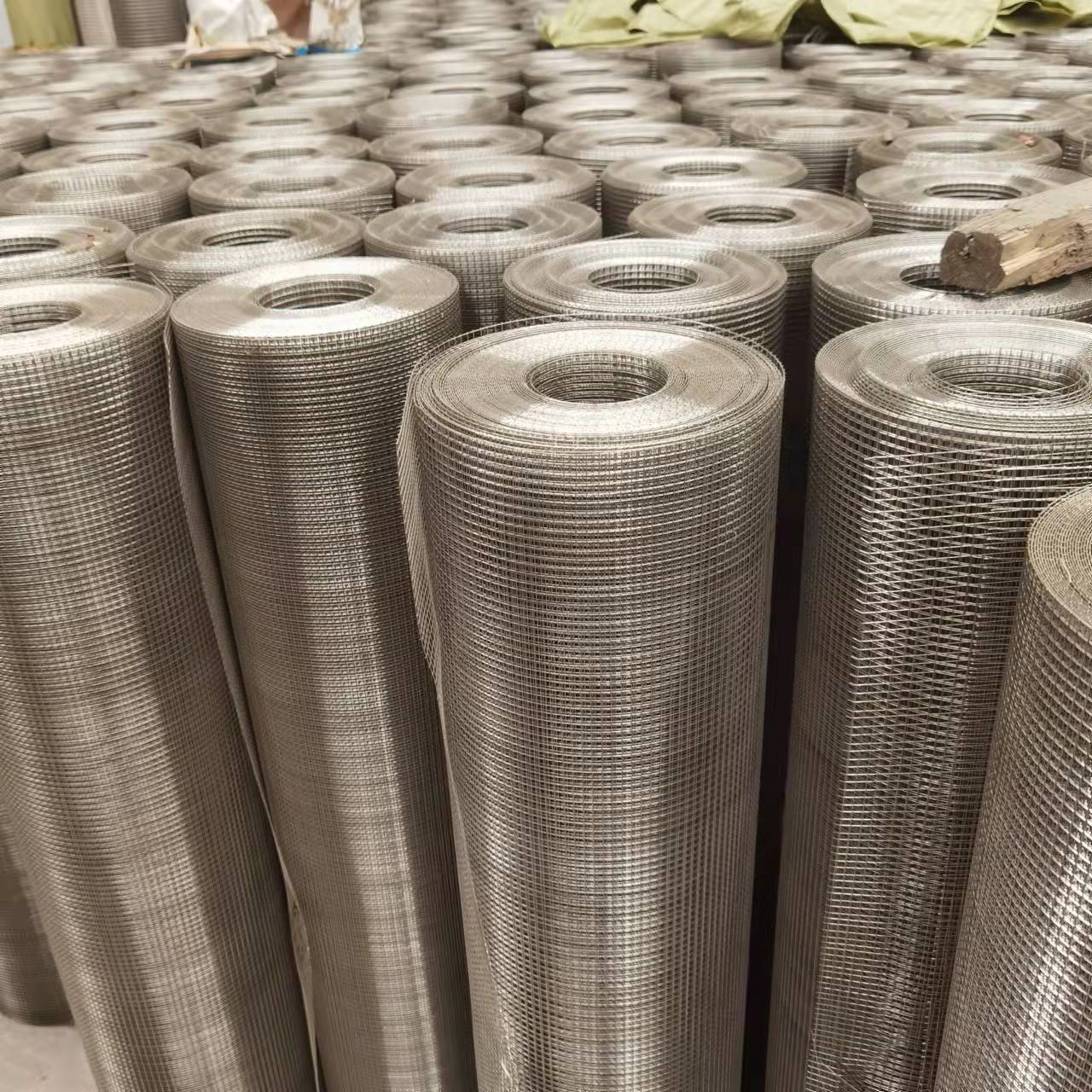
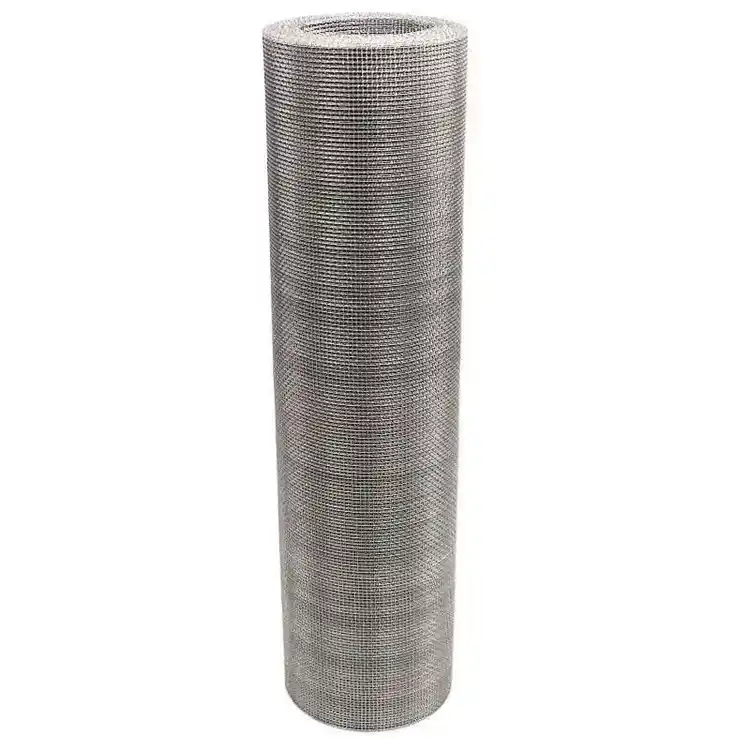


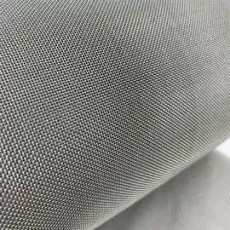
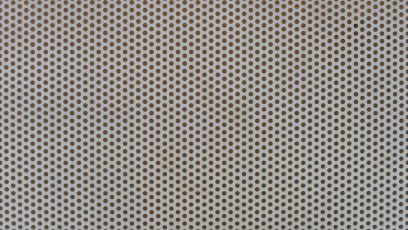
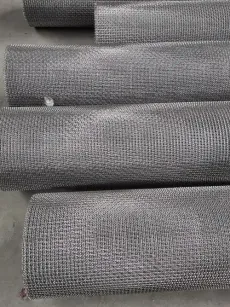
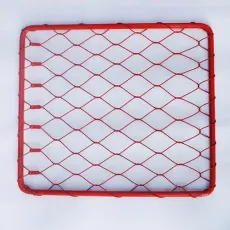
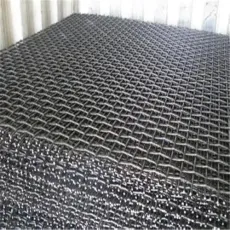
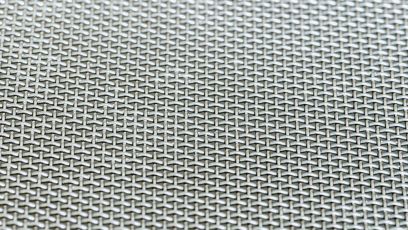
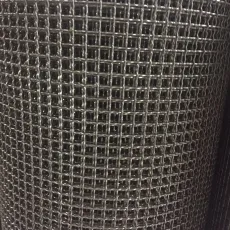
The resistance spot welding process of this screen mesh creates uniform, durable weld points that eliminate the risk of wire loosening or breakage common in woven mesh, making it ideal for high-flow wastewater applications. With a load capacity of ≥500kg/㎡, it can withstand heavy sludge accumulation and high water pressure without deformation. Users can choose between 304 and 316L stainless steel materials to match different corrosion levels: 304 is suitable for neutral to weakly corrosive municipal sewage, while 316L handles strongly acidic or alkaline industrial wastewater. Flange or slot mounting options enable quick installation and replacement, reducing downtime during maintenance. The mesh undergoes anti-corrosion treatment to extend service life in wet environments, solving pain points like mesh deformation, wire detachment, and frequent replacements in wastewater filtration systems.
This welded screen mesh offers customizable technical specifications to adapt to various wastewater treatment scenarios. Mesh apertures range from 1mm to 50mm, with corresponding wire diameters from 1mm to 5mm to ensure structural integrity. Materials include ASTM A312-certified 304 and 316L stainless steel: 304 can withstand pH levels 4-10, while 316L handles pH levels 2-12. The load capacity reaches ≥500kg/㎡, making it suitable for heavy sludge filtration. Temperature resistance ranges from -40℃ to 600℃, allowing it to handle high-temperature industrial wastewater. Weld point spacing is uniform (5-10 points per 10cm) to ensure consistent strength. Standard sizes include 1m×1m, 1.5m×2m, with customizable maximum sizes up to 3m×5m. Surface treatment options include passivation or anti-corrosion coating, and surface roughness is Ra ≤1.6μm to prevent sludge adhesion.
This welded screen mesh is widely used in municipal wastewater treatment plants for inlet grille filtration and primary sedimentation tank solid-liquid separation. In industrial settings, it serves chemical wastewater treatment, printing and dyeing wastewater pre-treatment, food processing waste filtration, and livestock farm sewage treatment. It is also suitable for river dredging debris interception and stormwater runoff filtration. The mesh can be installed in grille machines, filtration tanks, sedimentation basins, and other wastewater treatment equipment, effectively intercepting solid impurities like plastics, sludge, and industrial residues to protect downstream processing equipment. Its customizable shapes (square, round, rectangular) fit different equipment configurations, and its corrosion resistance ensures long-term performance in wet, corrosive environments, reducing operational and maintenance costs for wastewater treatment facilities.


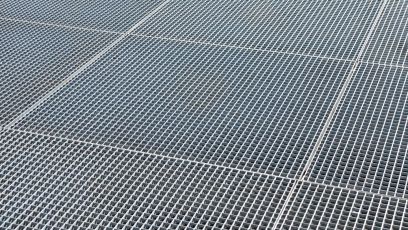





 Post RFQ


 Chat
Chat


 ALL CATEGORIES