Basic Info
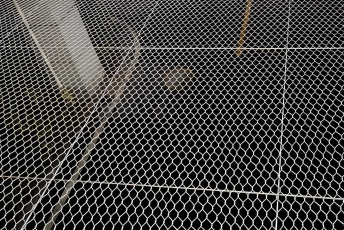
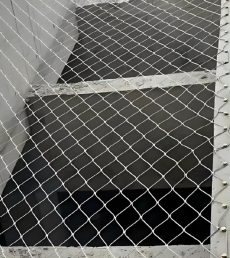
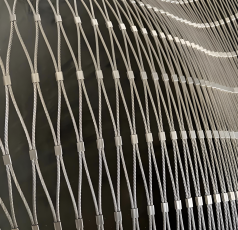
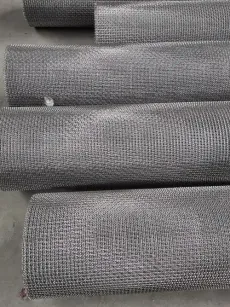
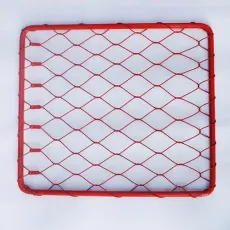
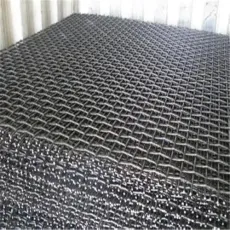
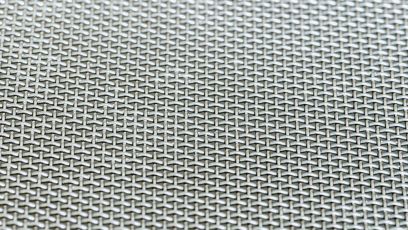
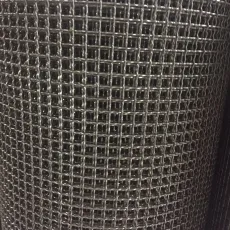
Developed for high-wear, high-corrosion industrial scenarios such as mining and chemical processing, this 316L stainless steel woven mesh is made from high-purity 316L wires, followed by plain weaving and high-temperature setting treatment. This process significantly enhances mesh surface abrasion resistance and structural stability, enabling it to withstand long-term erosion by strong acids, alkalis, and abrasive solid particles. It effectively solves the problem of frequent replacement of ordinary stainless steel mesh due to wear and corrosion, reducing operation and maintenance costs for industrial clients. The mesh also features excellent flatness and uniform aperture distribution, ensuring stable filtration efficiency in continuous production environments.
Product Description
Product features:
The core advantage of this mesh lies in its 316L stainless steel material, which has superior corrosion resistance to chloride ions compared to 304 stainless steel, making it ideal for seawater treatment and chemical acid-base filtration. The high-temperature setting treatment eliminates internal stress in the wire mesh, preventing deformation under high-pressure filtration conditions. Its abrasion resistance is 40% higher than ordinary stainless steel mesh, thanks to the optimized wire density and weaving structure. It also has a low aperture deviation rate of ≤±2%, maintaining consistent particle classification accuracy. Additionally, the mesh supports customized edge reinforcement to adapt to harsh working environments with strong mechanical impact.
Product specifications:
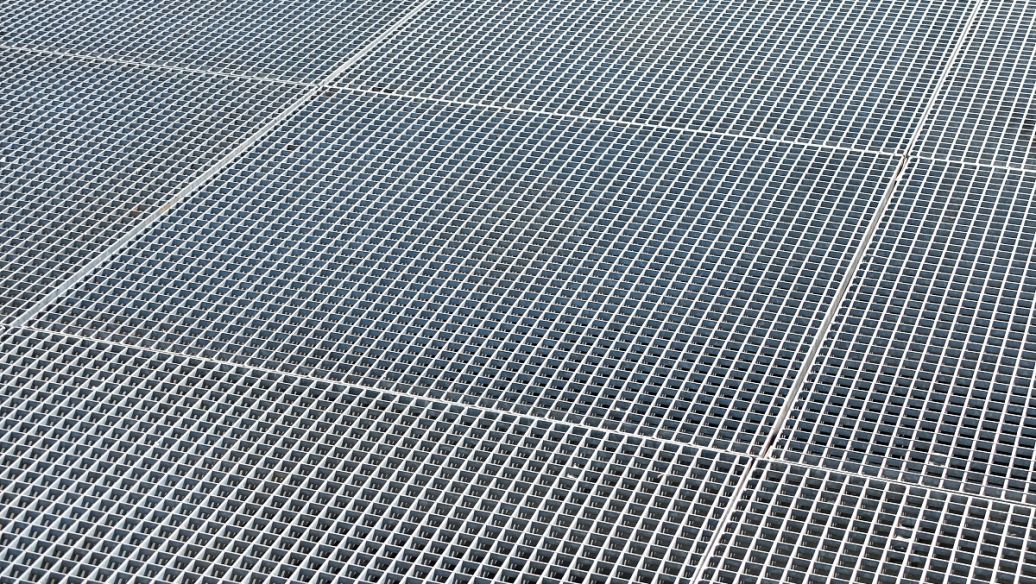
Constructed from 0.35mm diameter 316L stainless steel wires, the mesh uses a plain weaving method with high-temperature setting at 600℃ to enhance structural stability. It has a mesh count of 20, with an aperture size of 4.5×4.5mm and a deviation of ≤±2%. The tensile strength reaches ≥800MPa, and it can withstand a maximum filtration pressure of 1.2MPa without deformation. The temperature resistance range is -20℃~900℃, suitable for most industrial high-temperature filtration scenarios. The standard width is 1.5m, with a maximum customizable width of 2.0m, and standard length of 50m. The surface is untreated for better wear resistance, and the mesh weighs 2.8kg per square meter, with certification of ASTM A240.
Product application:
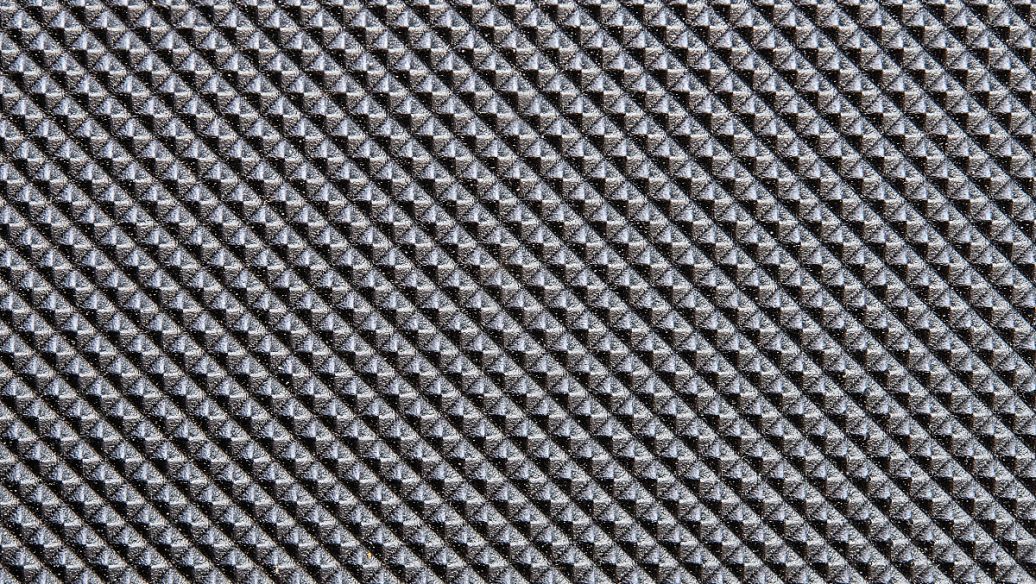
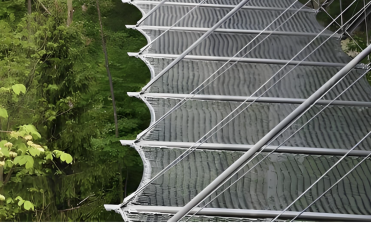
This industrial mesh is widely used in the mining industry for tailings solid-liquid separation, effectively filtering ore residues and recycling water resources. In the chemical industry, it is applied to filter acid-base solutions and chemical raw materials, preventing pipeline blockage caused by solid particles. It is also suitable for petroleum refining for crude oil pre-filtration, and in wastewater treatment plants for industrial wastewater purification. Additionally, it can be used in the metallurgical industry for screening metal powders and in the construction industry for concrete aggregate classification. Its high wear resistance and corrosion resistance make it an ideal choice for heavy-duty industrial production lines that require long-term continuous operation.
Frequently Asked Questions (FAQ)
Q:What are the key advantages of 316L stainless steel woven mesh in industrial applications?
A:316L stainless steel woven mesh offers superior corrosion resistance (especially against chlorides), high-temperature durability (up to 800°C), and excellent abrasion resistance. Its low carbon content minimizes carbide precipitation, making it ideal for chemical processing and marine environments.
Q:How does 316L stainless steel mesh compare to 304 in abrasion resistance?
A:316L contains 2-3% molybdenum, enhancing its hardness (140-200 HV) and wear resistance by 20-30% over 304 mesh. It maintains better surface integrity under continuous friction, suitable for screening abrasive materials like minerals or sand.
Q:What mesh opening sizes are available for industrial-grade 316L woven wire mesh?
A:Standard openings range from 0.025mm (500 mesh) to 12.7mm (0.5"). Custom weaves can achieve 0.01mm precision. Common industrial sizes are 20 mesh (0.84mm), 40 mesh (0.42mm), and 100 mesh (0.15mm) for filtration/sieving.
Q:Can 316L stainless steel mesh withstand acidic environments?
A:Yes, 316L resists acids like sulfuric (up to 10% concentration at 20°C), phosphoric, and acetic acids. Its passive oxide layer self-repairs, outperforming 304 in pH<3 environments. For strong oxidizers (e.g., nitric acid), higher grades like 904L are recommended.
Q:What weaving patterns optimize abrasion resistance in 316L mesh?
A:Twill weave (2-over-2 under) distributes stress evenly, increasing lifespan by 40% vs plain weave. Dutch twill (tighter weft wires) enhances particle retention. Lock crimp or pre-crimped designs prevent wire slippage under heavy loads.









 Post RFQ


 Chat
Chat


 ALL CATEGORIES