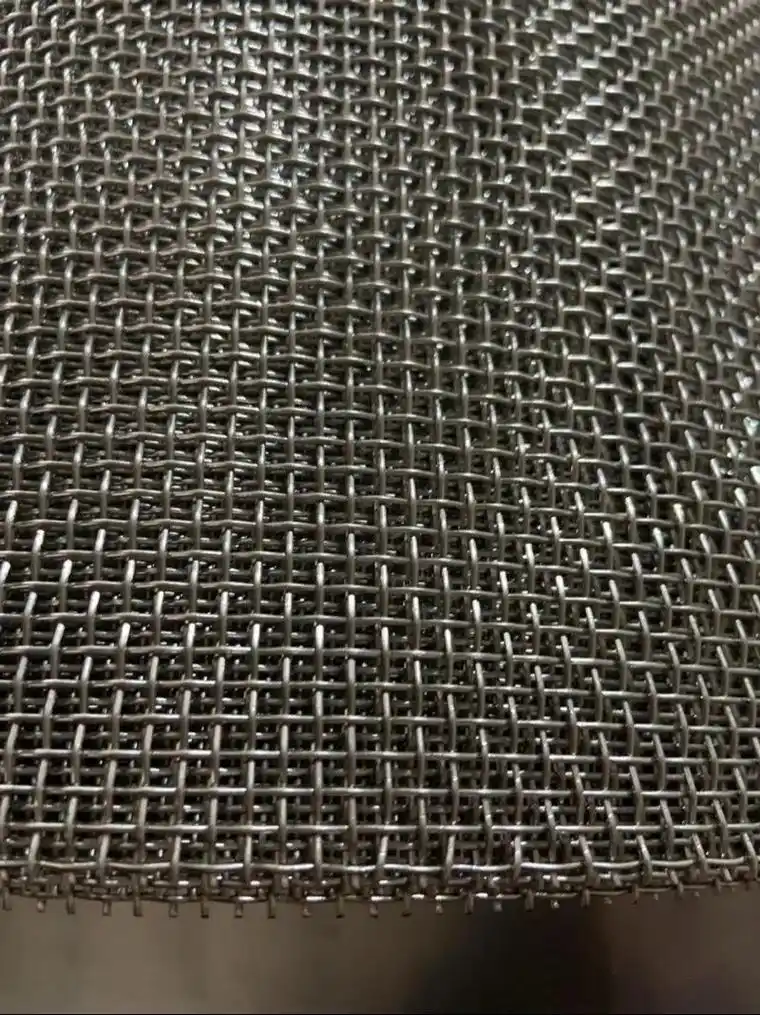


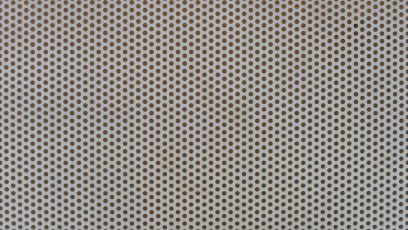
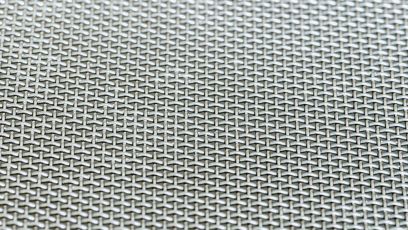
This electronic-grade woven mesh offers unique advantages for high-precision microelectronics applications. The 316L ultra-pure stainless steel material has low outgassing properties, preventing the release of volatile organic compounds (VOCs) that can contaminate sensitive electronic components. The 0.05mm wire diameter and 200 mesh count create a uniform 0.07mm aperture, effectively capturing particles as small as 0.05μm, which is critical for maintaining cleanroom Class 100 standards. It also provides excellent EMI shielding, with a shielding effectiveness of 60dB at 1GHz, protecting electronic components from electromagnetic interference. The mesh undergoes a multi-step electropolishing and ultrasonic cleaning process, achieving a surface roughness of Ra ≤ 0.5μm and removing all surface contaminants, including oil, grease, and metal particles. It is compatible with cleanroom cleaning protocols, including isopropyl alcohol wiping and UV sterilization, and can be reused multiple times without compromising cleanliness or performance. Additionally, it meets IPC-A-610 and ISO 14644-1 standards, ensuring compliance with global microelectronics industry requirements.
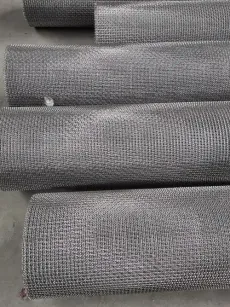
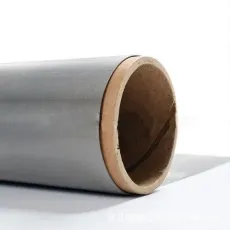
The Precision 316L Stainless Steel Electronic-Grade Woven Mesh features technical parameters optimized for high-precision microelectronics applications. The wire diameter is 0.05mm, ensuring a fine uniform weave structure with minimal light transmission. With a mesh count of 200 per square inch, the nominal aperture measures 0.07mm, effectively capturing particles as small as 0.05μm. The cleanliness level is Class 100, meaning it contains fewer than 100 particles larger than 0.5μm per cubic foot of air in its packaging. The effective width ranges from 0.5m to 1.0m, with a standard roll length of 10m, suitable for small-scale cleanroom equipment and electronic component manufacturing. It offers a maximum temperature resistance of 700℃, allowing it to withstand high-temperature curing processes in electronic assembly. The corrosion resistance grade is Class A+, making it suitable for use in cleanroom environments with acidic cleaning agents. The surface roughness is Ra ≤ 0.5μm, preventing particle adhesion and ensuring easy cleaning. It has a tensile strength of 650MPa, ensuring it does not tear during handling and installation. It is certified by IPC-A-610 and ISO 14644-1, meeting global microelectronics industry standards.
This precision mesh is widely used across the microelectronics and semiconductor manufacturing sectors. In semiconductor fabs, it is used as a filter for cleanroom air handling systems, removing micro-particles and ensuring the air quality meets Class 100 standards. It is also used as a shielding mesh for electronic components, protecting sensitive chips and circuits from electromagnetic interference (EMI) and radio frequency interference (RFI). In electronic assembly plants, it is used for filtering soldering fluxes and cleaning solutions, preventing contamination of printed circuit boards (PCBs) and electronic components. Additionally, it is used in optical equipment manufacturing as a light control mesh, regulating light intensity and preventing glare in high-precision optical instruments. It can be customized into filter discs, shielding panels, or cleanroom curtains to meet specific application requirements. It is suitable for both manual and automated production lines, and is compatible with all cleanroom protocols, including ESD (electrostatic discharge) protection measures.








 Post RFQ


 Chat
Chat


 ALL CATEGORIES