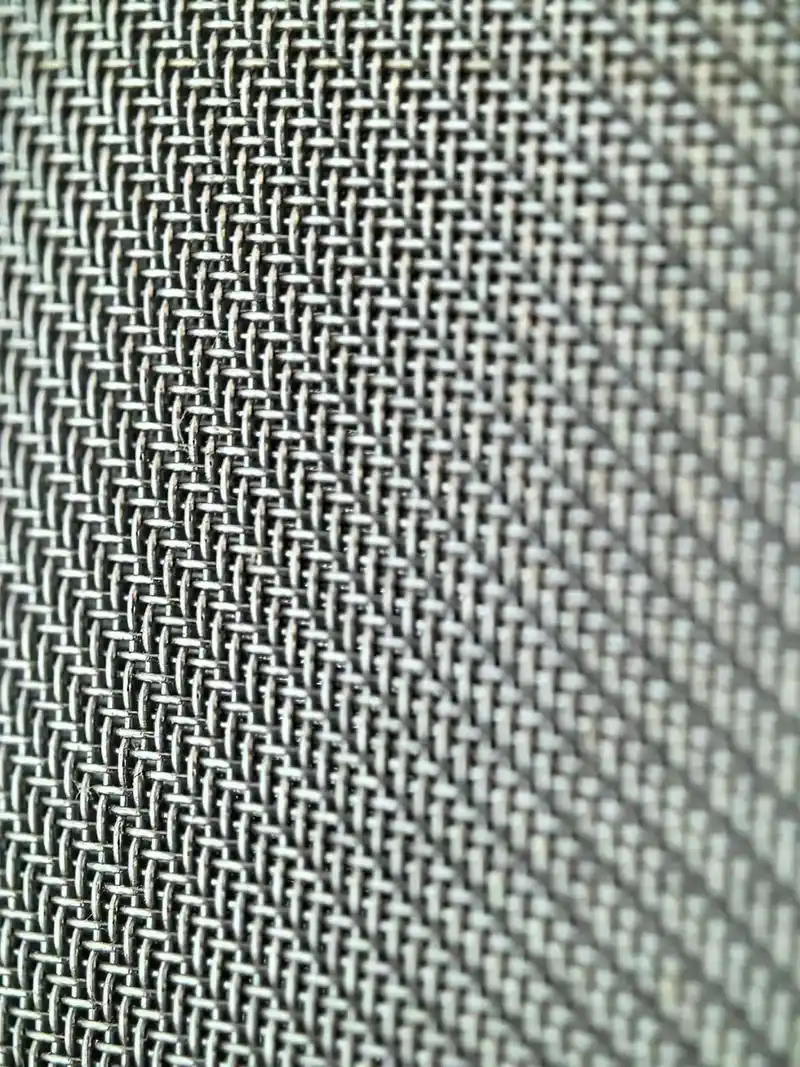


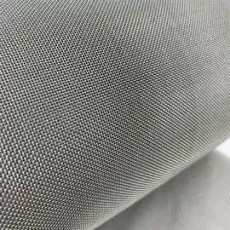
1. Extreme Chloride Ion Resistance: 316Ti stainless steel contains titanium, which forms a stable protective oxide film on the surface, effectively resisting corrosion from 10,000ppm chloride ions in seawater, far outperforming ordinary 316L stainless steel mesh and extending service life by 2-3 times in seawater environments. 2. High Filtration Precision: The 150x150 Dutch weave structure and 100μm uniform aperture can effectively intercept plankton, sediment, and other impurities in seawater, reducing the load on reverse osmosis membranes and extending membrane service life. 3. High Pressure Resistance: Withstands operating pressures up to 1.6MPa, suitable for high-pressure seawater desalination systems and deep-sea marine engineering applications without deformation or damage. 4. Long Service Life: In seawater environments, its service life is more than 8 years, significantly reducing replacement frequency and maintenance costs for seawater desalination plants. 5. Environmental Friendly: Complies with international marine environmental protection standards, with no harmful substances leaching into seawater, ensuring no impact on marine ecosystems.
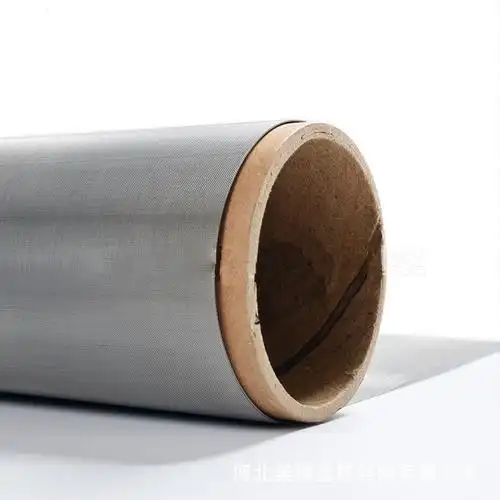
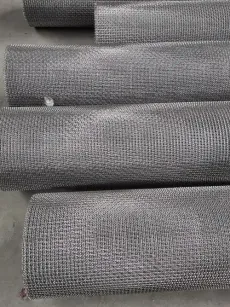
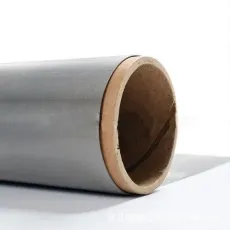
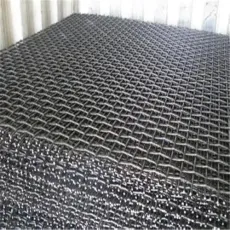
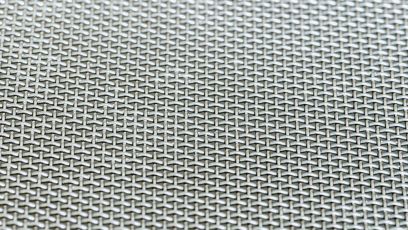
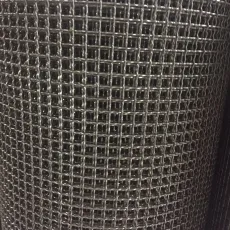
Constructed from 316Ti stainless steel with a wire diameter of 0.25mm, this mesh offers exceptional corrosion resistance and mechanical strength. The 150x150 Dutch weave structure corresponds to a uniform aperture size of 100μm, effectively filtering plankton and sediment in seawater. Its standard size is 1m x 2m, with custom sizes available on request to fit different seawater filtration equipment dimensions. It can withstand operating pressures up to 1.6MPa, suitable for high-pressure reverse osmosis pre-filtration systems. The maximum operating temperature is 700℃, suitable for high-temperature seawater treatment processes. It is resistant to 10,000ppm chloride ions, withstanding the corrosive effects of concentrated seawater and salt spray. The Dutch weave structure provides a breaking strength of ≥600N/cm, ensuring resistance to water pressure and mechanical impact. It complies with international marine environmental protection standards, with no harmful substance leaching. The service life is more than 8 years in seawater environments, reducing maintenance costs for seawater desalination plants. It can be packaged in wooden crates or anti-corrosion plastic films for safe transportation and storage.
1. Seawater Desalination Plants: Used as pre-filtration mesh in reverse osmosis systems to intercept plankton, sediment, and other impurities, reducing the load on RO membranes and extending membrane service life. 2. Marine Oil and Gas Platforms: Applied in seawater intake systems, cooling water filtration, and domestic water treatment on offshore platforms, withstanding the corrosive effects of seawater and ensuring stable water supply. 3. Coastal Power Plants: Used in seawater cooling system pre-filtration to intercept marine organisms and sediment, preventing pipeline blockage and improving cooling system efficiency. 4. Marine Aquaculture: Applied in fish farms, shellfish farms, and marine hatcheries as water filtration mesh to maintain water quality, remove impurities, and ensure healthy growth of aquatic organisms. 5. Offshore Construction: Used in seawater filtration systems for offshore wind farms, submarine cable projects, and other offshore construction projects, withstanding harsh marine environments and ensuring project progress. 6. Coastal Municipal Water Supply: Applied in coastal city seawater desalination projects to provide safe, clean drinking water, addressing the problem of freshwater shortage in coastal areas.







 Post RFQ


 Chat
Chat


 ALL CATEGORIES